


Gifting Made Simple
Give the Gift of ChoiceClick below to purchase a Prairie Mall eGift Card that can be used at participating retailers at Prairie Mall.Buy Gift CardHome
Writing Tamil Catholicism: Literature, Persuasion and Devotion in the Eighteenth Century
Coles
Loading Inventory...
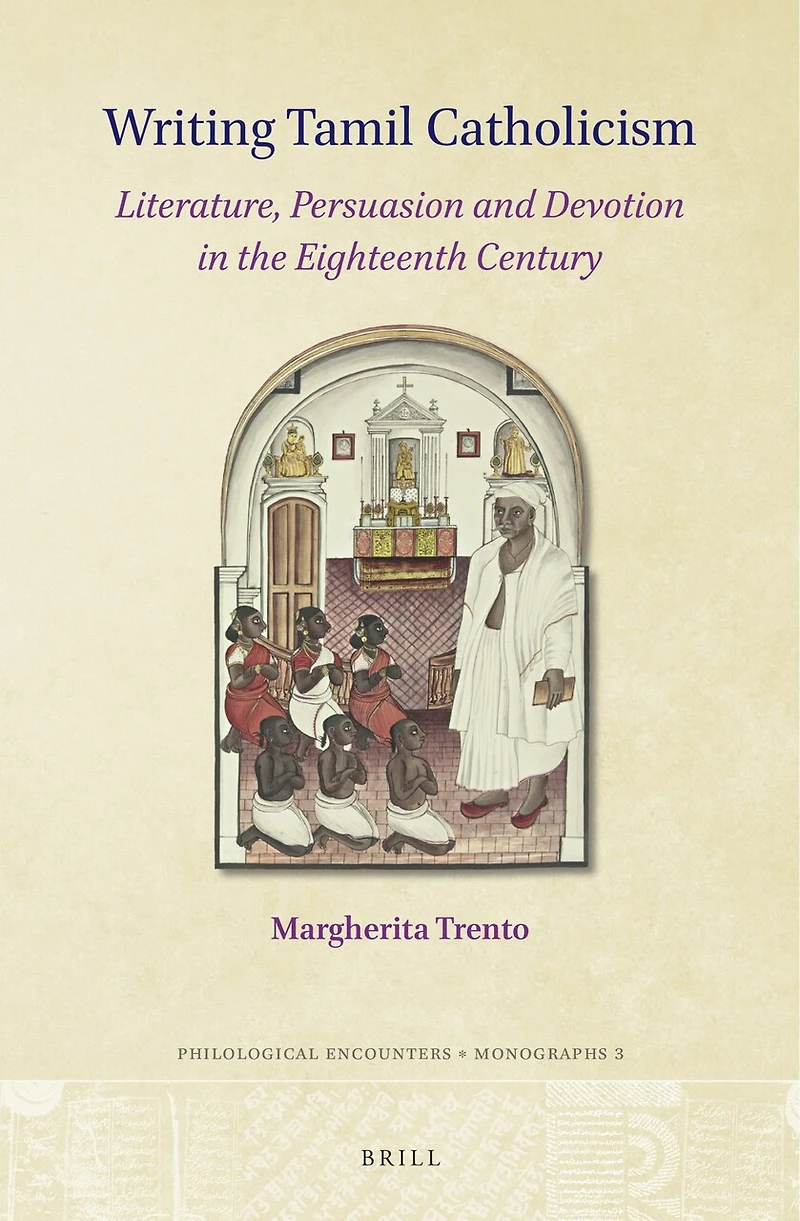
Writing Tamil Catholicism: Literature, Persuasion and Devotion in the Eighteenth Century in Grande Prairie, AB
Current price: $157.99
Coles
Writing Tamil Catholicism: Literature, Persuasion and Devotion in the Eighteenth Century in Grande Prairie, AB
Current price: $157.99
Loading Inventory...
Size: Hardcover
*Product information and pricing may vary - to confirm current pricing, availability, shipping, and return information please contact Coles. In the event of a pricing discrepancy, the retailer's price will apply.
In Writing Tamil Catholicism: Literature, Persuasion and Devotion in the Eighteenth Century , Margherita Trento explores the process by which the Jesuit missionary Costanzo Giuseppe Beschi (1680-1747), in collaboration with a group of local lay elites identified by their profession as catechists, chose Tamil poetry as the social and political language of Catholicism in eighteenth-century South India.
Trento analyzes a corpus of Tamil grammars and poems, chiefly Beschi’s Tēmpāvaṇi , alongside archival documents to show how, by presenting themselves as poets and intellectuals, Catholic elites gained a persuasive voice as well as entrance into the learned society of the Tamil country and its networks of patronage.
This project has received funding from the European Union’s Horizon 2020 research and innovation programme under the Marie Skłodowska-Curie grant agreement No 840879.
In Writing Tamil Catholicism: Literature, Persuasion and Devotion in the Eighteenth Century , Margherita Trento explores the process by which the Jesuit missionary Costanzo Giuseppe Beschi (1680-1747), in collaboration with a group of local lay elites identified by their profession as catechists, chose Tamil poetry as the social and political language of Catholicism in eighteenth-century South India.
Trento analyzes a corpus of Tamil grammars and poems, chiefly Beschi’s Tēmpāvaṇi , alongside archival documents to show how, by presenting themselves as poets and intellectuals, Catholic elites gained a persuasive voice as well as entrance into the learned society of the Tamil country and its networks of patronage.
This project has received funding from the European Union’s Horizon 2020 research and innovation programme under the Marie Skłodowska-Curie grant agreement No 840879.
You May Also Like








Find at Prairie Mall in Grande Prairie, AB
Visit at Prairie Mall in Grande Prairie, AB