


Gifting Made Simple
Give the Gift of ChoiceClick below to purchase a Prairie Mall eGift Card that can be used at participating retailers at Prairie Mall.Buy Gift CardHome
Writing Gaia: The Scientific Correspondence of James Lovelock and Lynn Margulis
Coles
Loading Inventory...
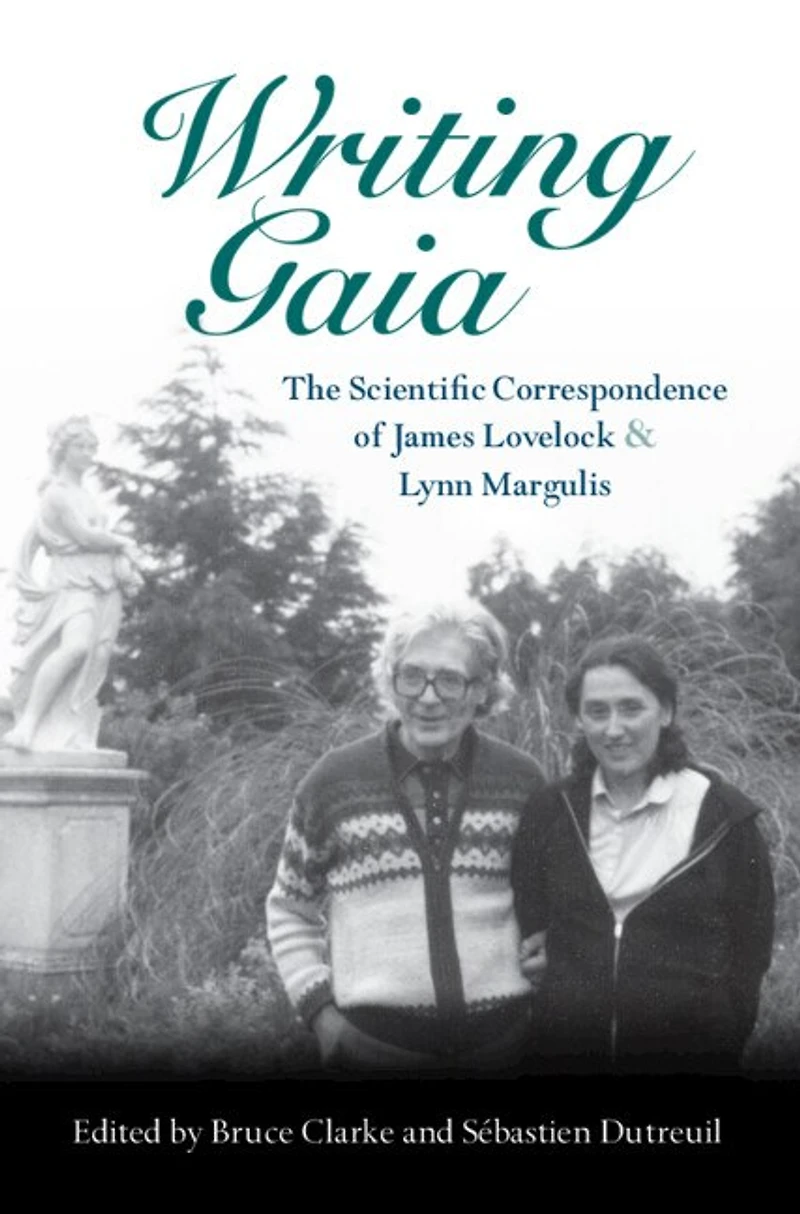
Writing Gaia: The Scientific Correspondence of James Lovelock and Lynn Margulis in Grande Prairie, AB
Current price: $63.95
Coles
Writing Gaia: The Scientific Correspondence of James Lovelock and Lynn Margulis in Grande Prairie, AB
Current price: $63.95
Loading Inventory...
Size: Hardcover
*Product information and pricing may vary - to confirm current pricing, availability, shipping, and return information please contact Coles. In the event of a pricing discrepancy, the retailer's price will apply.
In 1972, James Lovelock and Lynn Margulis began collaborating on the Gaia hypothesis. They suggested that over geological time, life on Earth has had a major role in both producing and regulating its own environment. Gaia is now an ecological and environmental worldview underpinning vital scientific and cultural debates over environmental issues. Their ideas have transformed the Earth and life sciences, as well as contemporary conceptions of nature. Their correspondence describes these crucial developments from the inside, showing how their partnership proved decisive for the development of the Gaia hypothesis. Clarke and Dutreuil provide historical background and explain the concepts and references introduced throughout the Lovelock-Margulis correspondence, while highlighting the major landmarks of their collaboration within the sequence of almost 300 letters written between 1970 and 2007. This book will be of interest to researchers in ecology, history of science, environmental history and climate change, and cultural science studies.
In 1972, James Lovelock and Lynn Margulis began collaborating on the Gaia hypothesis. They suggested that over geological time, life on Earth has had a major role in both producing and regulating its own environment. Gaia is now an ecological and environmental worldview underpinning vital scientific and cultural debates over environmental issues. Their ideas have transformed the Earth and life sciences, as well as contemporary conceptions of nature. Their correspondence describes these crucial developments from the inside, showing how their partnership proved decisive for the development of the Gaia hypothesis. Clarke and Dutreuil provide historical background and explain the concepts and references introduced throughout the Lovelock-Margulis correspondence, while highlighting the major landmarks of their collaboration within the sequence of almost 300 letters written between 1970 and 2007. This book will be of interest to researchers in ecology, history of science, environmental history and climate change, and cultural science studies.
You May Also Like









Find at Prairie Mall in Grande Prairie, AB
Visit at Prairie Mall in Grande Prairie, AB