


Gifting Made Simple
Give the Gift of ChoiceClick below to purchase a Prairie Mall eGift Card that can be used at participating retailers at Prairie Mall.Buy Gift CardHome
Writing Exile: The Discourse of Displacement in Greco-Roman Antiquity and Beyond
Coles
Loading Inventory...
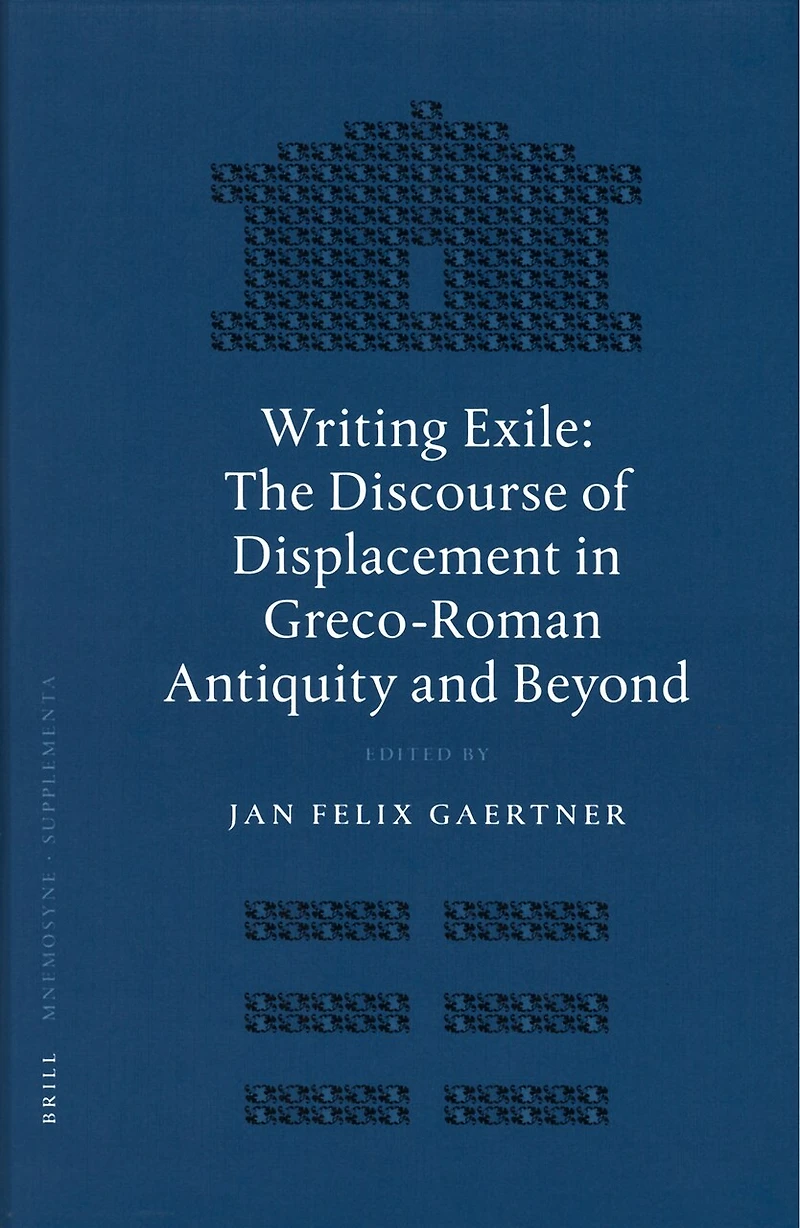
Writing Exile: The Discourse of Displacement in Greco-Roman Antiquity and Beyond in Grande Prairie, AB
Current price: $240.99
Coles
Writing Exile: The Discourse of Displacement in Greco-Roman Antiquity and Beyond in Grande Prairie, AB
Current price: $240.99
Loading Inventory...
Size: Hardcover
*Product information and pricing may vary - to confirm current pricing, availability, shipping, and return information please contact Coles. In the event of a pricing discrepancy, the retailer's price will apply.
Exile and displacement are central topics in classical literature. Previous research has been mostly biographical and has focused on the three most prominent exiles: Cicero, Ovid, and Seneca. By shifting focus to a discourse of exile and displacement in early Greek poetry, Greek historiography, Cynicism, consolatory literature, Latin epic, Greek literature of the empire, and Medieval Latin literature, the present volume questions the notion of a distinct, psychologically conditioned ‘genre’ or ‘mode’ of exile literature. It shows how ancient and medieval authors perceive and present their exile according to pre-existent literary paradigms, style themselves or others as ‘typical’ exiles, and employ ‘exile’ as a powerful trope to express estrangement, elicit readerly sympathy, and question political power structures.
Exile and displacement are central topics in classical literature. Previous research has been mostly biographical and has focused on the three most prominent exiles: Cicero, Ovid, and Seneca. By shifting focus to a discourse of exile and displacement in early Greek poetry, Greek historiography, Cynicism, consolatory literature, Latin epic, Greek literature of the empire, and Medieval Latin literature, the present volume questions the notion of a distinct, psychologically conditioned ‘genre’ or ‘mode’ of exile literature. It shows how ancient and medieval authors perceive and present their exile according to pre-existent literary paradigms, style themselves or others as ‘typical’ exiles, and employ ‘exile’ as a powerful trope to express estrangement, elicit readerly sympathy, and question political power structures.
You May Also Like








Find at Prairie Mall in Grande Prairie, AB
Visit at Prairie Mall in Grande Prairie, AB