


Gifting Made Simple
Give the Gift of ChoiceClick below to purchase a Prairie Mall eGift Card that can be used at participating retailers at Prairie Mall.Buy Gift CardHome
Wittgenstein's Liberatory Philosophy: Thinking Through His Philosophical Investigations
Coles
Loading Inventory...
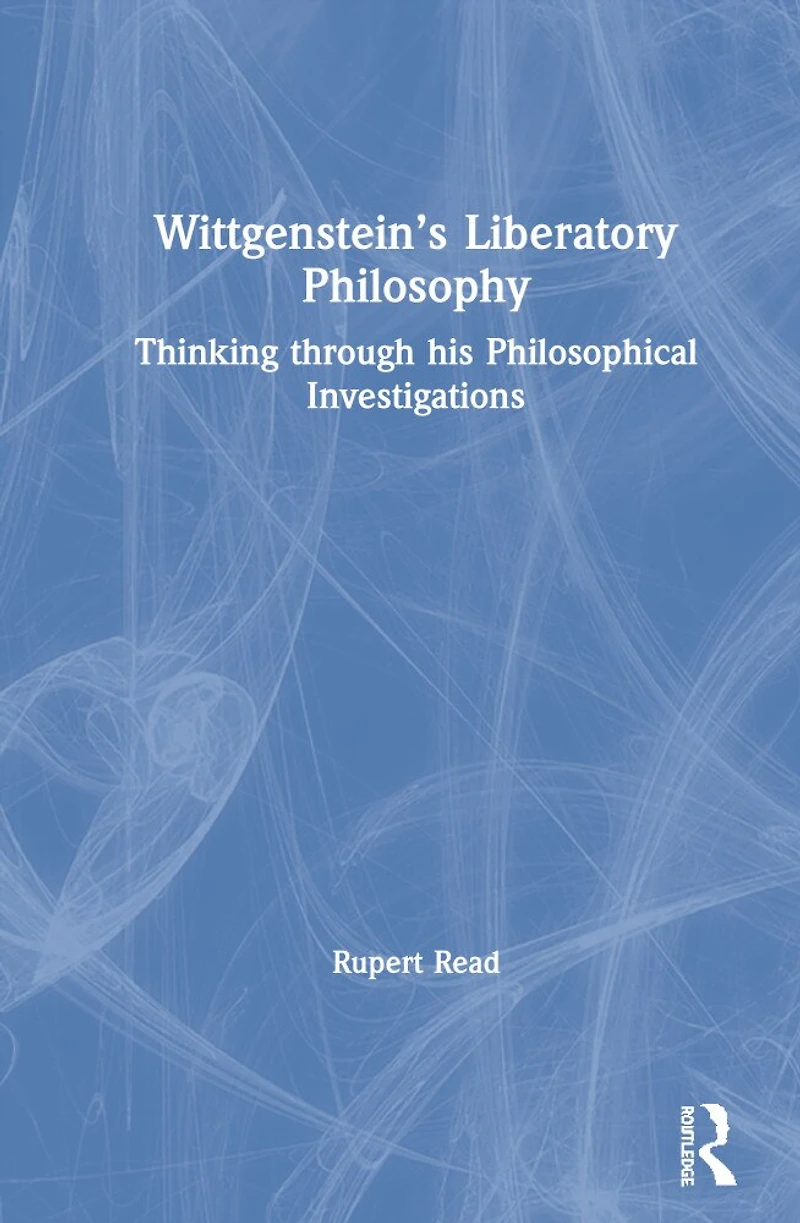
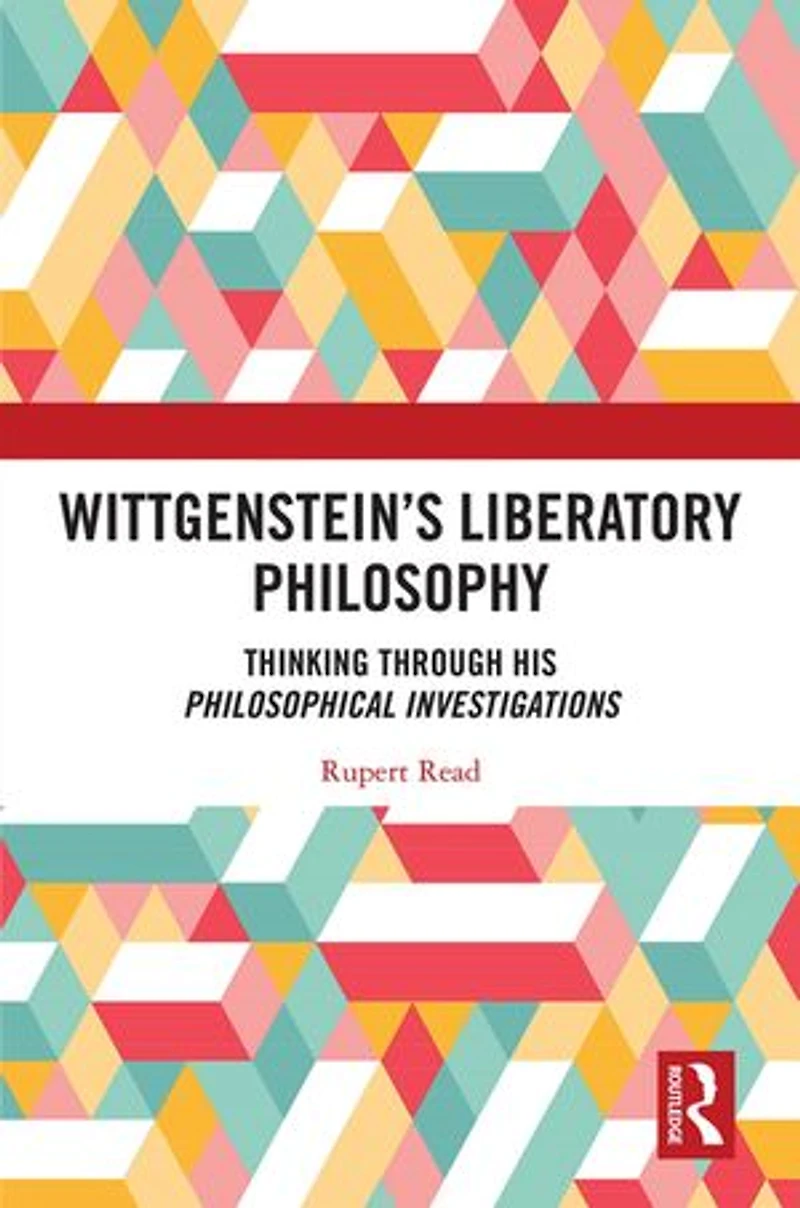
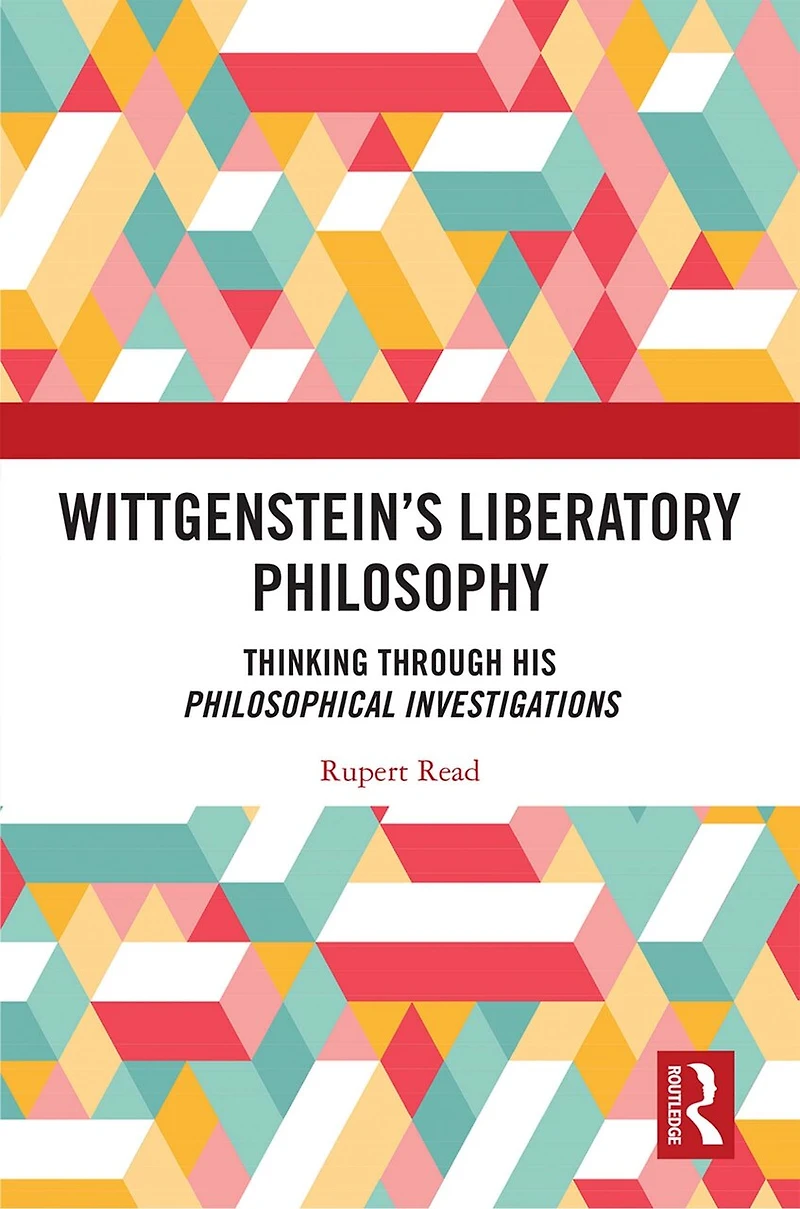
Wittgenstein's Liberatory Philosophy: Thinking Through His Philosophical Investigations in Grande Prairie, AB
Current price: $296.50
Coles
Wittgenstein's Liberatory Philosophy: Thinking Through His Philosophical Investigations in Grande Prairie, AB
Current price: $296.50
Loading Inventory...
Size: Hardcover
*Product information and pricing may vary - to confirm current pricing, availability, shipping, and return information please contact Coles. In the event of a pricing discrepancy, the retailer's price will apply.
In this book, Rupert Read offers the first outline of a resolute reading, following the highly influential New Wittgenstein 'school', of the Philosophical Investigations . He argues that the key to understanding Wittgenstein's later philosophy is to understand its liberatory purport. Read contends that a resolute reading coincides in its fundaments with what, building on ideas in the later Gordon Baker, he calls a liberatory reading. Liberatory philosophy is philosophy that can liberate the user from compulsive (and destructive) patterns of thought, freeing one for possibilities that were previously obscured. Such liberation is our prime goal in philosophy. This book consists in a sequential reading, along these lines, of what Read considers the most important and controversial passages in the Philosophical Investigations : 1, 16, 43, 95 & 116 & 122, 130-3, 149-151, 186, 198-201, 217, and 284-6. Read claims that this liberatory conception is simultaneously an ethical conception. The PI should be considered a work of ethics in that its central concern becomes our relation with others. Wittgensteinian liberations challenge widespread assumptions about how we allegedly are independent of and separate from others. Wittgenstein's Liberatory Philosophy will be of interest to scholars and advanced students working on Wittgenstein, and to scholars of the political philosophy of liberation and the ethics of relation.
In this book, Rupert Read offers the first outline of a resolute reading, following the highly influential New Wittgenstein 'school', of the Philosophical Investigations . He argues that the key to understanding Wittgenstein's later philosophy is to understand its liberatory purport. Read contends that a resolute reading coincides in its fundaments with what, building on ideas in the later Gordon Baker, he calls a liberatory reading. Liberatory philosophy is philosophy that can liberate the user from compulsive (and destructive) patterns of thought, freeing one for possibilities that were previously obscured. Such liberation is our prime goal in philosophy. This book consists in a sequential reading, along these lines, of what Read considers the most important and controversial passages in the Philosophical Investigations : 1, 16, 43, 95 & 116 & 122, 130-3, 149-151, 186, 198-201, 217, and 284-6. Read claims that this liberatory conception is simultaneously an ethical conception. The PI should be considered a work of ethics in that its central concern becomes our relation with others. Wittgensteinian liberations challenge widespread assumptions about how we allegedly are independent of and separate from others. Wittgenstein's Liberatory Philosophy will be of interest to scholars and advanced students working on Wittgenstein, and to scholars of the political philosophy of liberation and the ethics of relation.
You May Also Like









Find at Prairie Mall in Grande Prairie, AB
Visit at Prairie Mall in Grande Prairie, AB