


Gifting Made Simple
Give the Gift of ChoiceClick below to purchase a Prairie Mall eGift Card that can be used at participating retailers at Prairie Mall.Buy Gift CardHome
Witchcraft as a Social Diagnosis: Traditional Ghanaian Beliefs and Global Health
Coles
Loading Inventory...
Witchcraft as a Social Diagnosis: Traditional Ghanaian Beliefs and Global Health in Grande Prairie, AB
Current price: $152.00
Coles
Witchcraft as a Social Diagnosis: Traditional Ghanaian Beliefs and Global Health in Grande Prairie, AB
Current price: $152.00
Loading Inventory...
Size: Hardcover
*Product information and pricing may vary - to confirm current pricing, availability, shipping, and return information please contact Coles. In the event of a pricing discrepancy, the retailer's price will apply.
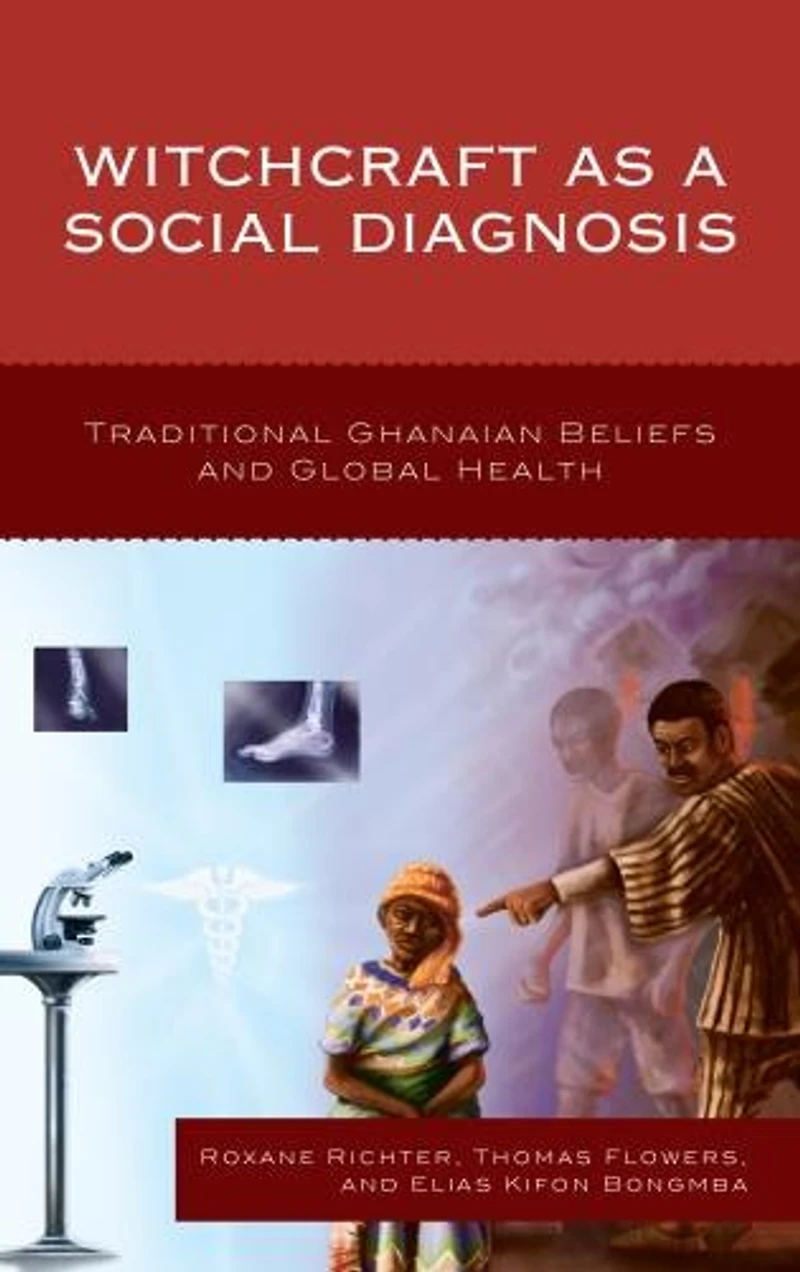
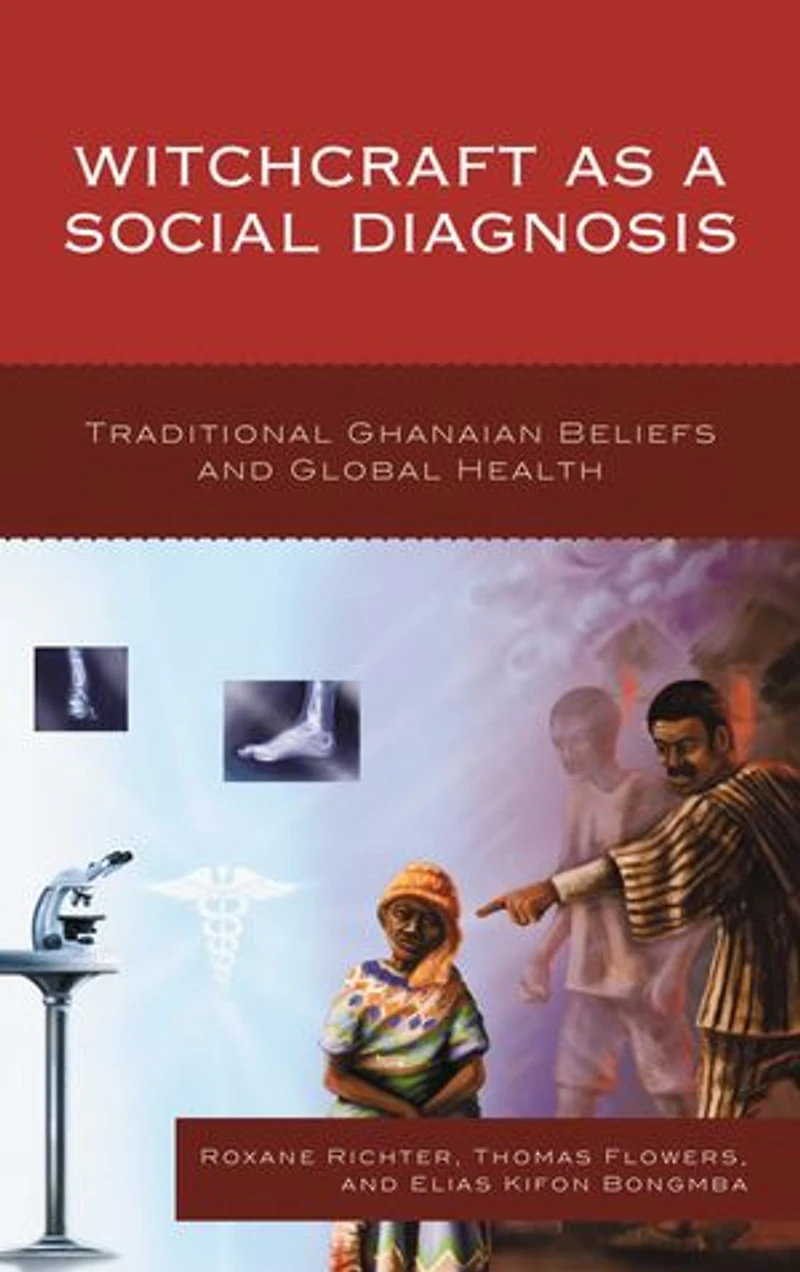
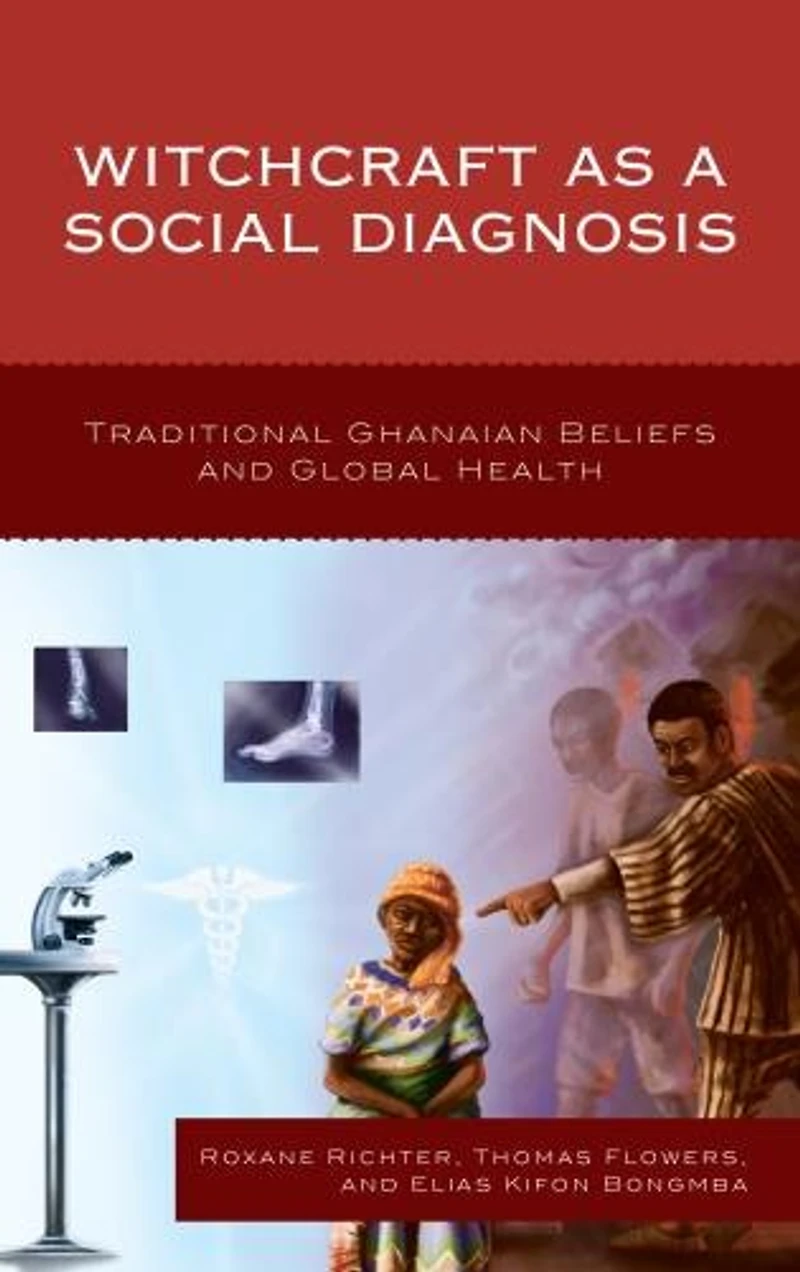
This interdisciplinary manuscript examines one nonprofit’s five years of medical outreach in the condemned witches village of Gnani in Ghana, focusing on the clashes between traditional Ghanaian beliefs, African religious tenets, and contemporary Western medical science. The research draws upon 1,714 patient interventions and 95 personal interviews, exposing the inherent challenges of separating indigenous beliefs surrounding fate and witchcraft convictions from contemporary interpretations of biological pathogens, structural and gender-based violence, and evidence-based medicine.
This book offers a novel perspective on witchcraft as it examines questions of stigmatization in order to extrapolate how disease, injury, and illness relate to social condition and the dialogue surrounding witchcraft. These unprecedented insights will serve to uncover and explore rural Ghanaian challenges in gender-based violence, religion, legal and political tenets, human rights, and medical science and their many implications for those in search of health parity, social justice, gender equity, and human rights.
This interdisciplinary manuscript examines one nonprofit’s five years of medical outreach in the condemned witches village of Gnani in Ghana, focusing on the clashes between traditional Ghanaian beliefs, African religious tenets, and contemporary Western medical science. The research draws upon 1,714 patient interventions and 95 personal interviews, exposing the inherent challenges of separating indigenous beliefs surrounding fate and witchcraft convictions from contemporary interpretations of biological pathogens, structural and gender-based violence, and evidence-based medicine.
This book offers a novel perspective on witchcraft as it examines questions of stigmatization in order to extrapolate how disease, injury, and illness relate to social condition and the dialogue surrounding witchcraft. These unprecedented insights will serve to uncover and explore rural Ghanaian challenges in gender-based violence, religion, legal and political tenets, human rights, and medical science and their many implications for those in search of health parity, social justice, gender equity, and human rights.
You May Also Like













Find at Prairie Mall in Grande Prairie, AB
Visit at Prairie Mall in Grande Prairie, AB