


Gifting Made Simple
Give the Gift of ChoiceClick below to purchase a Prairie Mall eGift Card that can be used at participating retailers at Prairie Mall.Buy Gift CardHome
Why We Disagree about Inequality: Social Justice vs. Order
Coles
Loading Inventory...
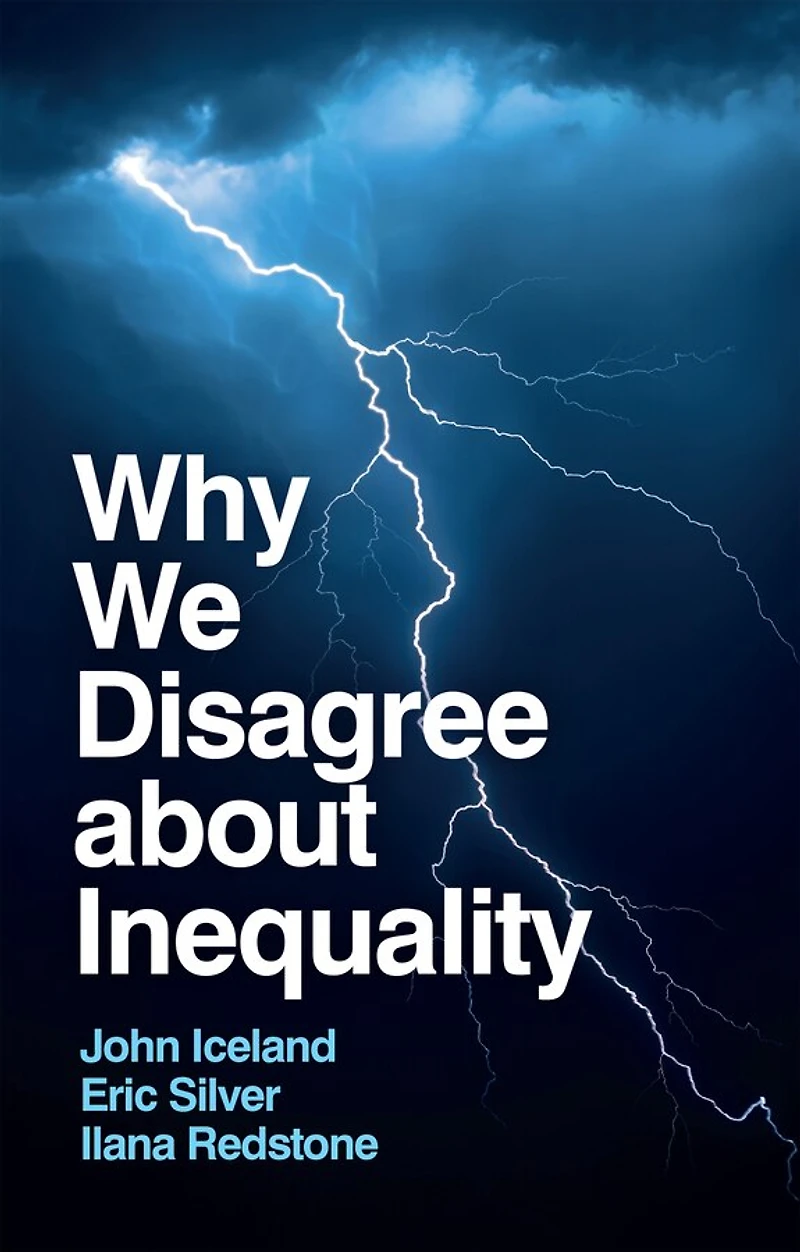
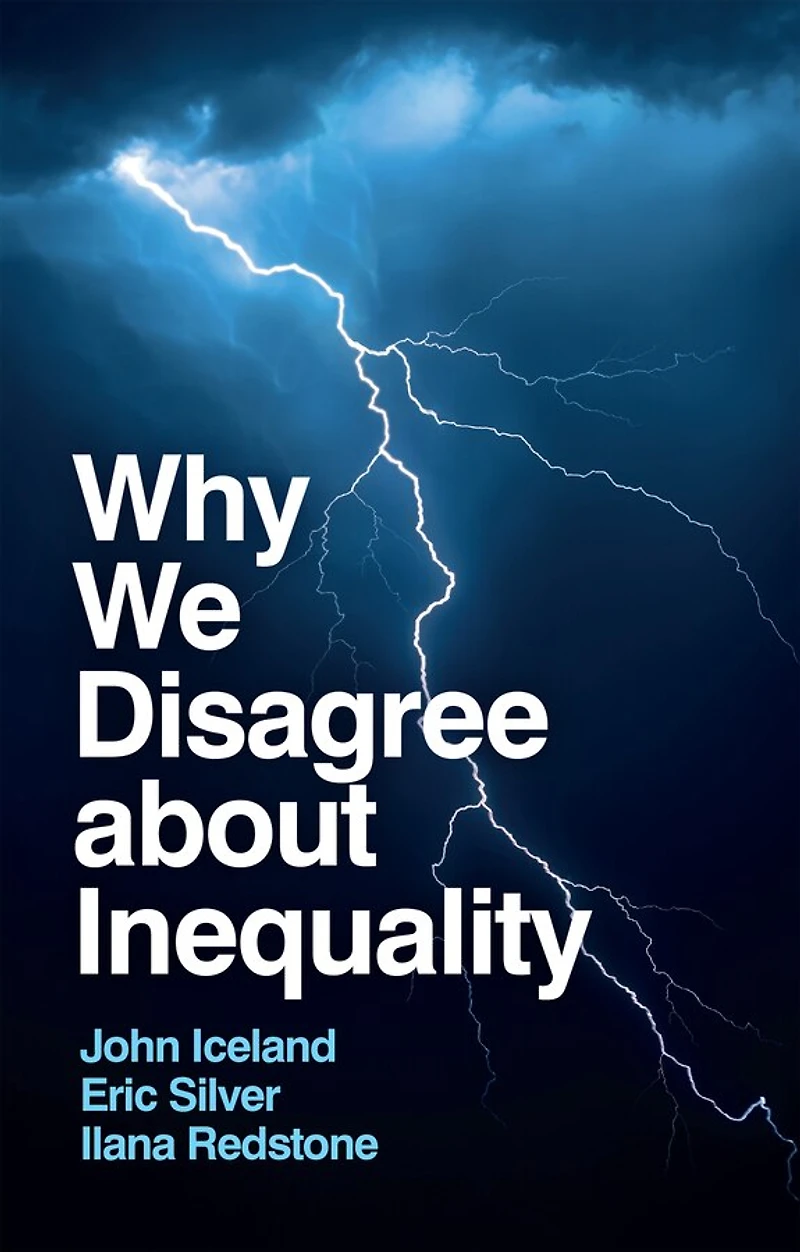
Why We Disagree about Inequality: Social Justice vs. Order in Grande Prairie, AB
Current price: $77.95
Coles
Why We Disagree about Inequality: Social Justice vs. Order in Grande Prairie, AB
Current price: $77.95
Loading Inventory...
Size: Hardcover
*Product information and pricing may vary - to confirm current pricing, availability, shipping, and return information please contact Coles. In the event of a pricing discrepancy, the retailer's price will apply.
Why do we disagree about the causes of and solutions to social inequality? What explains our different viewpoints on Black Lives Matter, #MeToo, income inequality, and immigration? In this tightly argued book, John Iceland, Eric Silver, and Ilana Redstone show how two clashing worldviews – one emphasizing Social Justice and another Social Order – are preventing Americans from solving their most pressing social problems. The authors show how each worldview provides a different understanding of human nature, morality, social change, and the wisdom of the past. They argue that, before Americans can find lasting solutions to today’s seemingly intractable societal challenges, they will need to recognize that each side possesses a wisdom the other lacks. Only then can we achieve the common ground and consensus we seek.
Why do we disagree about the causes of and solutions to social inequality? What explains our different viewpoints on Black Lives Matter, #MeToo, income inequality, and immigration? In this tightly argued book, John Iceland, Eric Silver, and Ilana Redstone show how two clashing worldviews – one emphasizing Social Justice and another Social Order – are preventing Americans from solving their most pressing social problems. The authors show how each worldview provides a different understanding of human nature, morality, social change, and the wisdom of the past. They argue that, before Americans can find lasting solutions to today’s seemingly intractable societal challenges, they will need to recognize that each side possesses a wisdom the other lacks. Only then can we achieve the common ground and consensus we seek.
You May Also Like
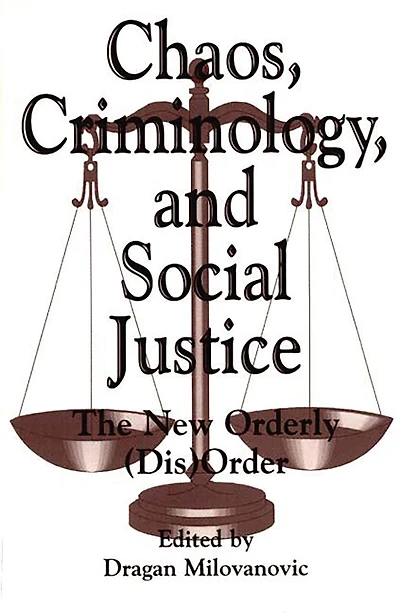















Find at Prairie Mall in Grande Prairie, AB
Visit at Prairie Mall in Grande Prairie, AB