


Gifting Made Simple
Give the Gift of ChoiceClick below to purchase a Prairie Mall eGift Card that can be used at participating retailers at Prairie Mall.Buy Gift CardHome
What Animals Teach Us About Families: Kinship and Species the Bible Rabbinic Literature
Coles
Loading Inventory...
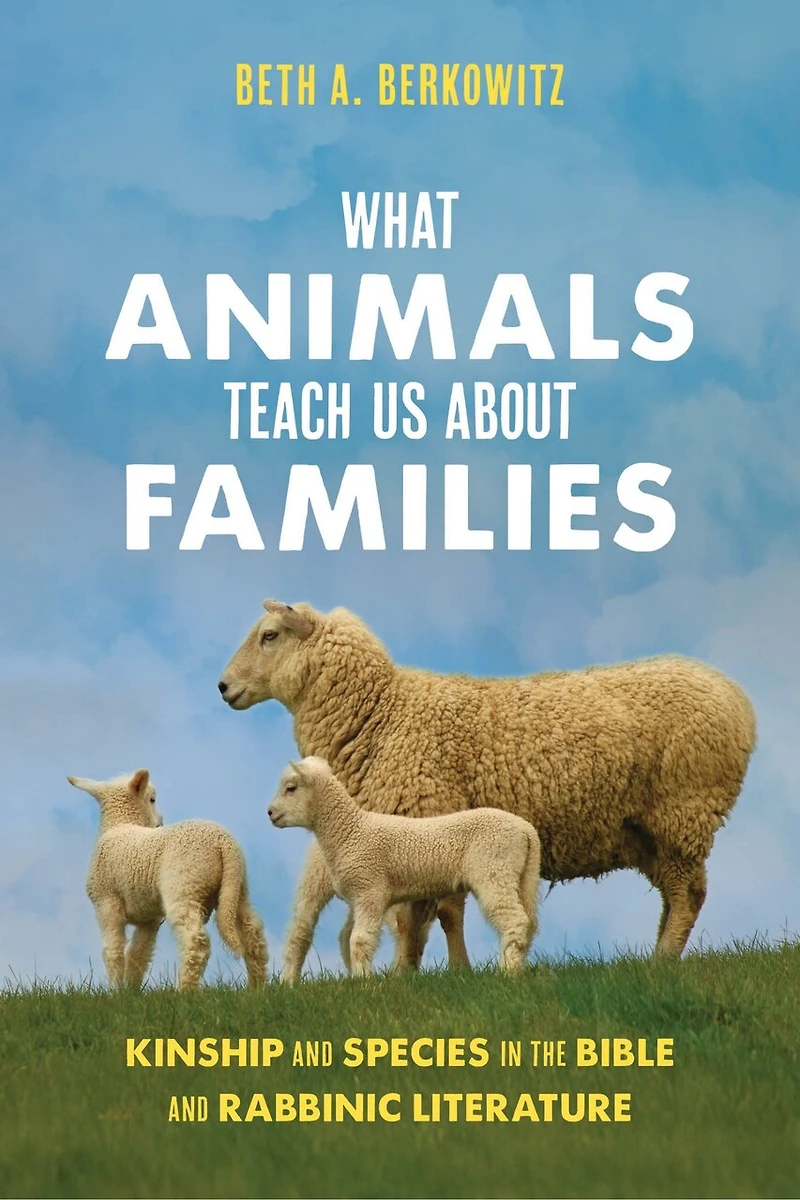
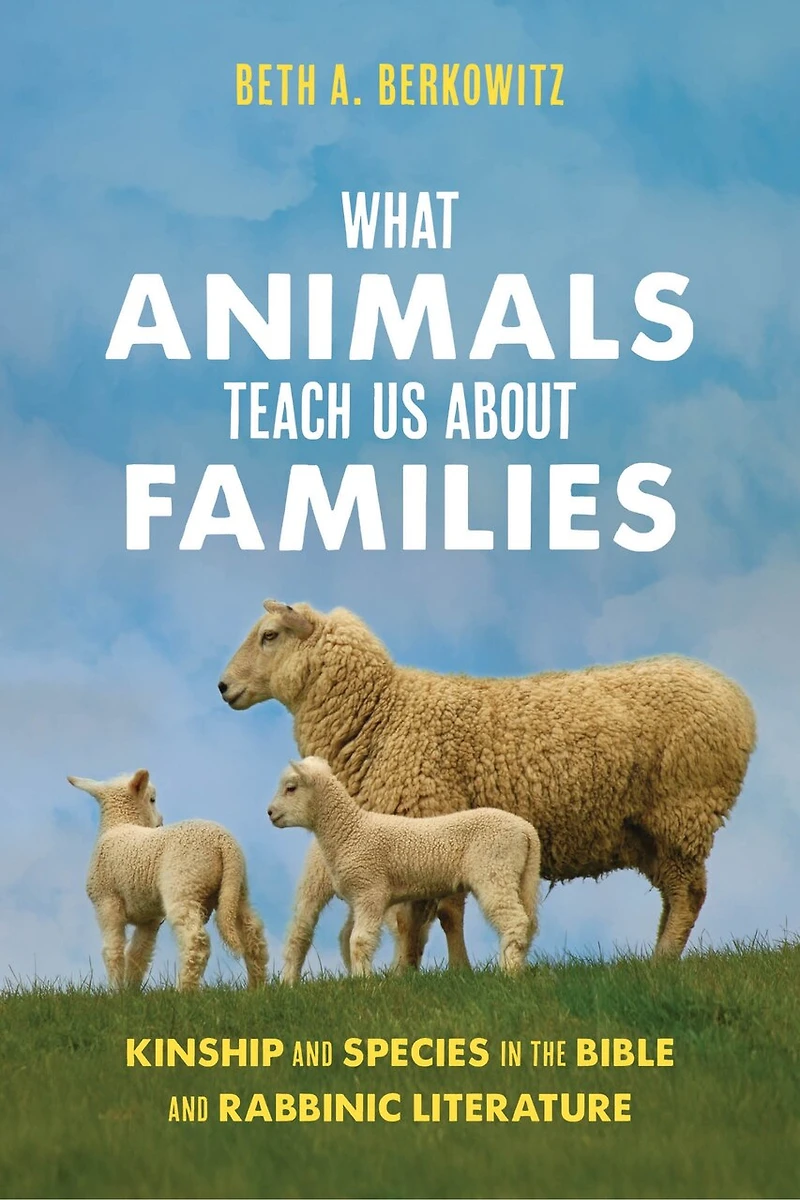
What Animals Teach Us About Families: Kinship and Species the Bible Rabbinic Literature in Grande Prairie, AB
Current price: $122.46
Coles
What Animals Teach Us About Families: Kinship and Species the Bible Rabbinic Literature in Grande Prairie, AB
Current price: $122.46
Loading Inventory...
Size: Hardcover
*Product information and pricing may vary - to confirm current pricing, availability, shipping, and return information please contact Coles. In the event of a pricing discrepancy, the retailer's price will apply.
Reading the Bible and rabbinic literature to reimagine the bonds between animals.
Moving beyond debates about the ethics of animal consumption to focus on animals' intimate lives, Beth A. Berkowitz examines the contribution of religious traditions and sacred texts to contemporary conversations about animals. Reading the four "animal family" laws of the Bible alongside their rabbinic interpretations from ancient times to today, she examines the bonds that animals form with each other and reimagines family to include new forms of life and alternative modes of kinship.
Humanitarian politics—and biblical law—tend to take for granted that human interests supersede animal interests and that our moral obligation extends only to avoiding unnecessary suffering, but necessity is determined by humans. What Animals Teach Us About Families looks at animal emotions, animal agency, family diversity, and human response to reconsider the obligations and opportunities the animal family presents.
Reading the Bible and rabbinic literature to reimagine the bonds between animals.
Moving beyond debates about the ethics of animal consumption to focus on animals' intimate lives, Beth A. Berkowitz examines the contribution of religious traditions and sacred texts to contemporary conversations about animals. Reading the four "animal family" laws of the Bible alongside their rabbinic interpretations from ancient times to today, she examines the bonds that animals form with each other and reimagines family to include new forms of life and alternative modes of kinship.
Humanitarian politics—and biblical law—tend to take for granted that human interests supersede animal interests and that our moral obligation extends only to avoiding unnecessary suffering, but necessity is determined by humans. What Animals Teach Us About Families looks at animal emotions, animal agency, family diversity, and human response to reconsider the obligations and opportunities the animal family presents.
You May Also Like












Find at Prairie Mall in Grande Prairie, AB
Visit at Prairie Mall in Grande Prairie, AB