


Gifting Made Simple
Give the Gift of ChoiceClick below to purchase a Prairie Mall eGift Card that can be used at participating retailers at Prairie Mall.Buy Gift CardHome
What a Blessing She Had Chloroform: The Medical and Social Response to the Pain of Childbirth from 1800 to the Present
Coles
Loading Inventory...
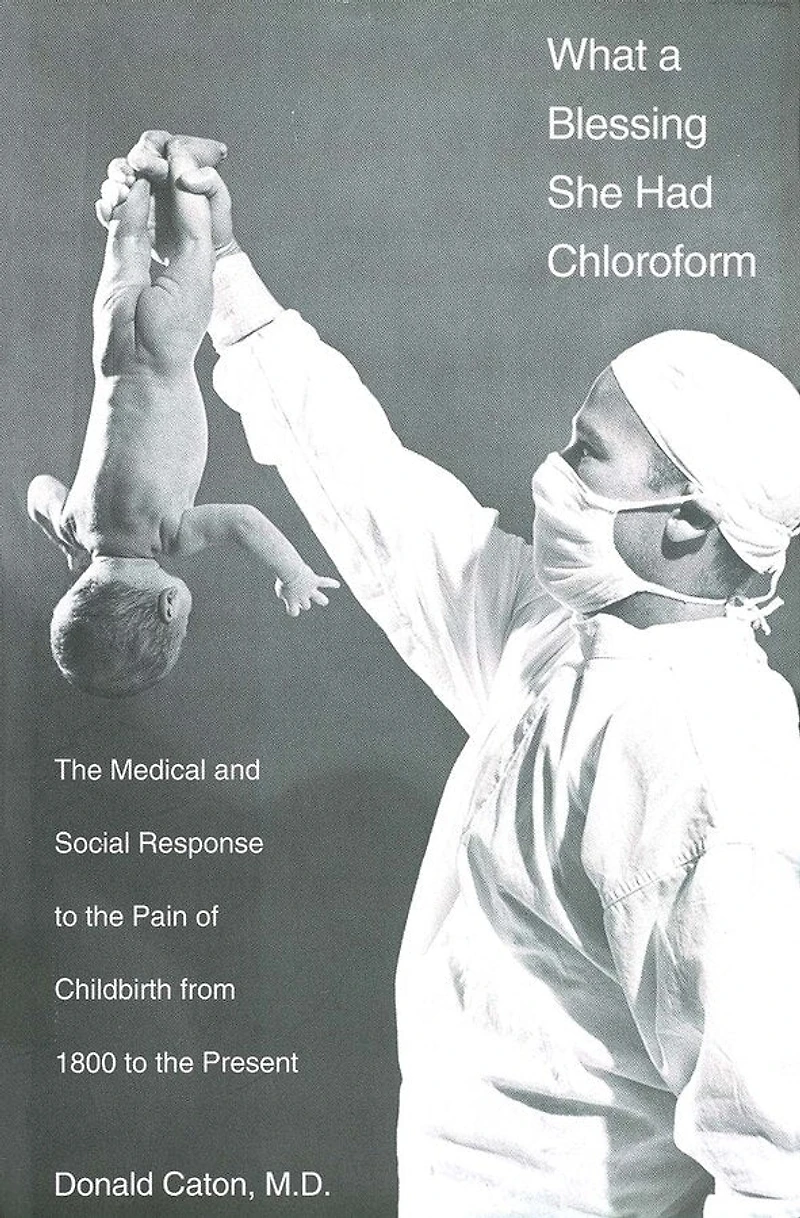
What a Blessing She Had Chloroform: The Medical and Social Response to the Pain of Childbirth from 1800 to the Present in Grande Prairie, AB
Current price: $89.95
Coles
What a Blessing She Had Chloroform: The Medical and Social Response to the Pain of Childbirth from 1800 to the Present in Grande Prairie, AB
Current price: $89.95
Loading Inventory...
Size: Hardcover
*Product information and pricing may vary - to confirm current pricing, availability, shipping, and return information please contact Coles. In the event of a pricing discrepancy, the retailer's price will apply.
This book describes in fascinating detail the history of the use of anesthesia in childbirth and in so doing offers a unique perspective on the interaction between medical science and social values. Dr. Donald Caton traces the responses of physicians and their patients to the pain of childbirth from the popularization of anesthesia to the natural childbirth movement and beyond. He finds that physicians discovered what could be done to manage pain, and patients decided what would be done.
Dr. Caton discusses how nineteenth-century physicians began to think and act like scientists; how people learned to reject the belief that pain and suffering are inevitable components of life; and how a later generation came to think that pain may have important functions for the individual and society. Finally he shows the extent to which cultural and social values have influenced "scientific" medical decisions.
This book describes in fascinating detail the history of the use of anesthesia in childbirth and in so doing offers a unique perspective on the interaction between medical science and social values. Dr. Donald Caton traces the responses of physicians and their patients to the pain of childbirth from the popularization of anesthesia to the natural childbirth movement and beyond. He finds that physicians discovered what could be done to manage pain, and patients decided what would be done.
Dr. Caton discusses how nineteenth-century physicians began to think and act like scientists; how people learned to reject the belief that pain and suffering are inevitable components of life; and how a later generation came to think that pain may have important functions for the individual and society. Finally he shows the extent to which cultural and social values have influenced "scientific" medical decisions.
You May Also Like














Find at Prairie Mall in Grande Prairie, AB
Visit at Prairie Mall in Grande Prairie, AB