


Gifting Made Simple
Give the Gift of ChoiceClick below to purchase a Prairie Mall eGift Card that can be used at participating retailers at Prairie Mall.Buy Gift CardHome
Weak States and Spheres of Great Power Competition
Coles
Loading Inventory...
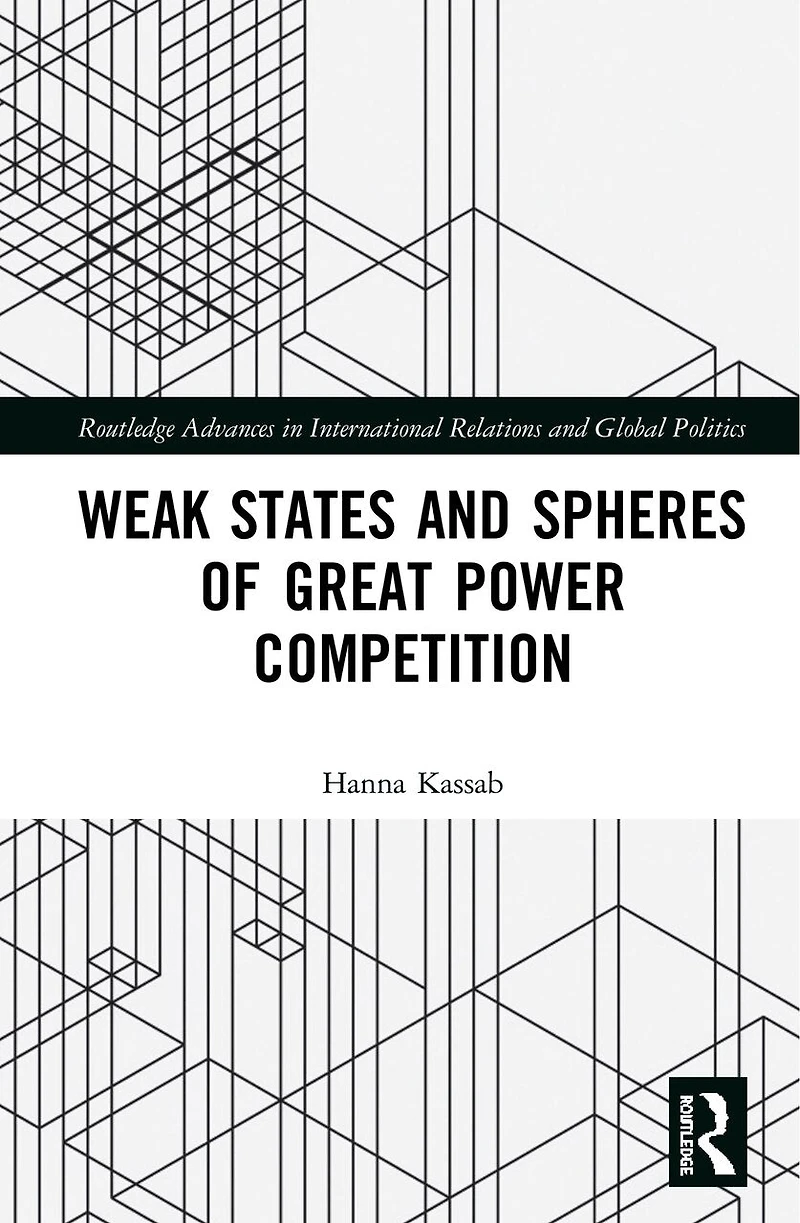
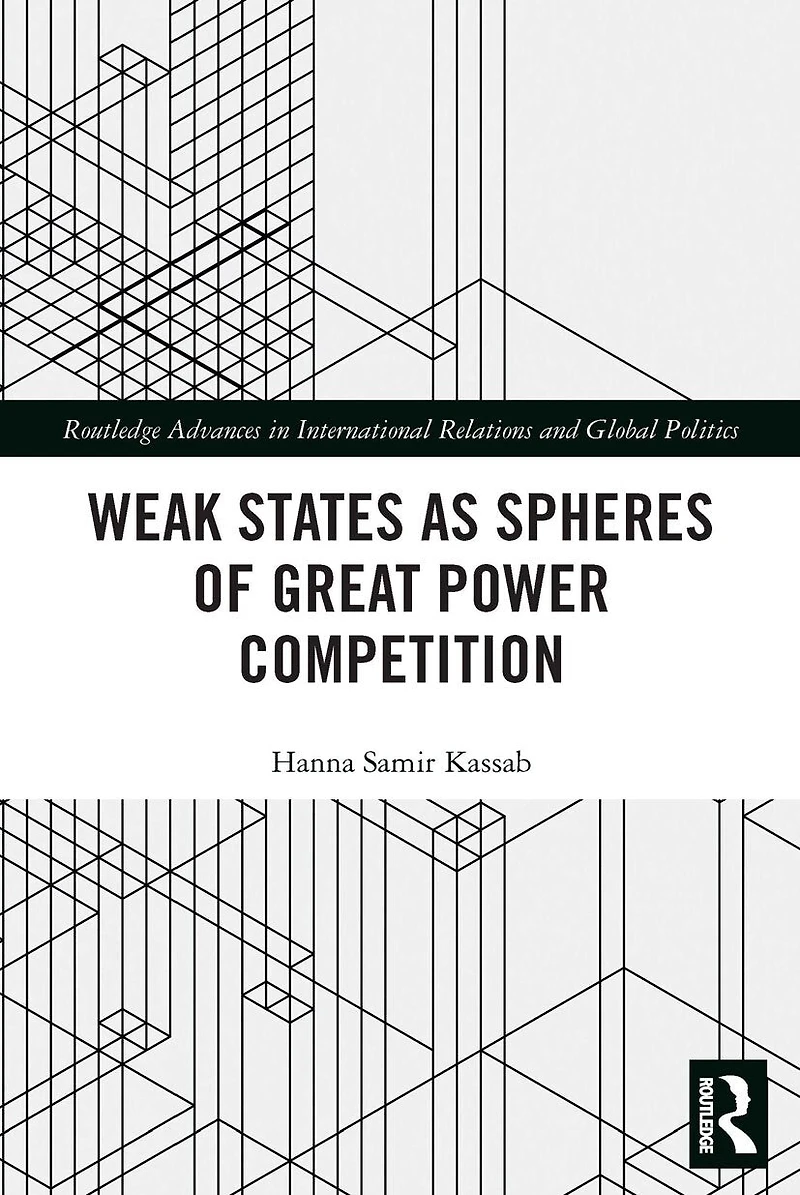
Weak States and Spheres of Great Power Competition in Grande Prairie, AB
Current price: $296.50
Coles
Weak States and Spheres of Great Power Competition in Grande Prairie, AB
Current price: $296.50
Loading Inventory...
Size: Hardcover
*Product information and pricing may vary - to confirm current pricing, availability, shipping, and return information please contact Coles. In the event of a pricing discrepancy, the retailer's price will apply.
This book explains the development of the international system's present-day balance of power by exploring three central questions: (1) Under what conditions has the international system order evolved from a unipolar system to the current multipolar system? (2) What are its major states? (3) How do weak powers affect great power competition? It puts forward the following hypotheses: (1) if China and Russia are expanding their military, political, and economic influence into weaker states globally, then the unipolar American order is unraveling; and (2) if the international system is multipolar, then great power balancing may enhance international security. However, balancing may be made difficult because of weak state aid-seeking behavior. When weak states engage competing great powers, they become spheres of competition. This book delves into these states. Whether in Africa, Latin America, the Middle East, Central Asia, East Asia, or Eastern Europe, great powers hope to establish some control over weaker units for security, economic, and at times, prestige purposes. This book will be of interest to students and scholars of political science and IR, security studies, and IPE, as well as members of the think tank community and policy analysts.
This book explains the development of the international system's present-day balance of power by exploring three central questions: (1) Under what conditions has the international system order evolved from a unipolar system to the current multipolar system? (2) What are its major states? (3) How do weak powers affect great power competition? It puts forward the following hypotheses: (1) if China and Russia are expanding their military, political, and economic influence into weaker states globally, then the unipolar American order is unraveling; and (2) if the international system is multipolar, then great power balancing may enhance international security. However, balancing may be made difficult because of weak state aid-seeking behavior. When weak states engage competing great powers, they become spheres of competition. This book delves into these states. Whether in Africa, Latin America, the Middle East, Central Asia, East Asia, or Eastern Europe, great powers hope to establish some control over weaker units for security, economic, and at times, prestige purposes. This book will be of interest to students and scholars of political science and IR, security studies, and IPE, as well as members of the think tank community and policy analysts.
You May Also Like
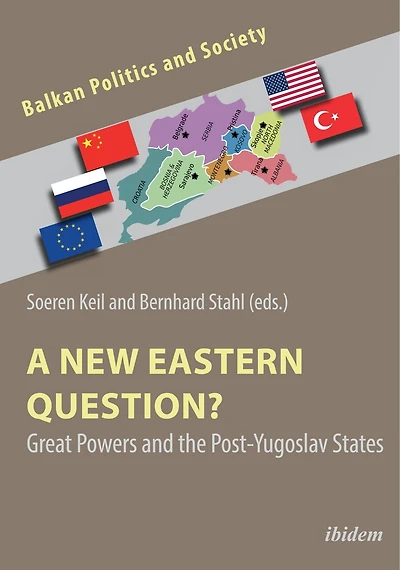








Find at Prairie Mall in Grande Prairie, AB
Visit at Prairie Mall in Grande Prairie, AB