


Gifting Made Simple
Give the Gift of ChoiceClick below to purchase a Prairie Mall eGift Card that can be used at participating retailers at Prairie Mall.Buy Gift CardHome
'We Are All Here to Stay': Citizenship, Sovereignty and the UN Declaration on the Rights of Indigenous Peoples
Coles
Loading Inventory...
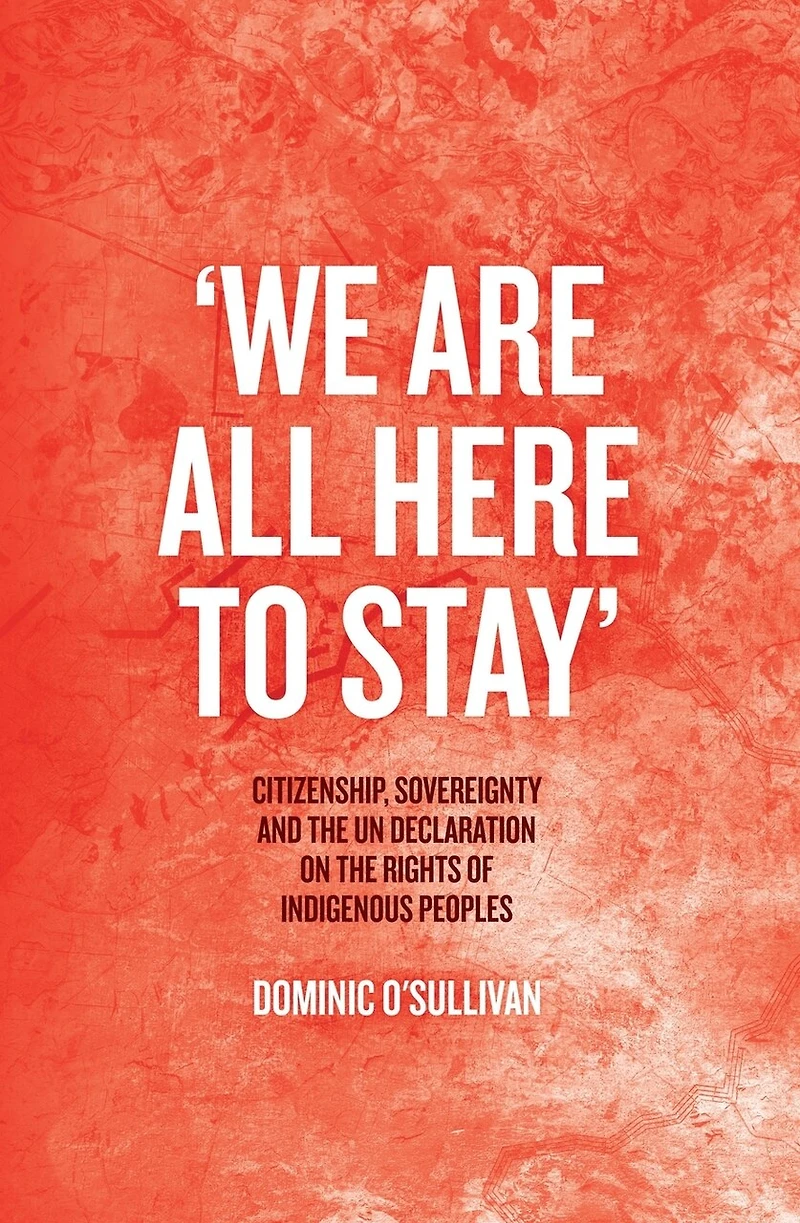
'We Are All Here to Stay': Citizenship, Sovereignty and the UN Declaration on the Rights of Indigenous Peoples in Grande Prairie, AB
Current price: $46.59
Coles
'We Are All Here to Stay': Citizenship, Sovereignty and the UN Declaration on the Rights of Indigenous Peoples in Grande Prairie, AB
Current price: $46.59
Loading Inventory...
Size: Paperback
*Product information and pricing may vary - to confirm current pricing, availability, shipping, and return information please contact Coles. In the event of a pricing discrepancy, the retailer's price will apply.
In 2007, 144 UN member states voted to adopt a Declaration on the Rights of Indigenous Peoples. Australia, Canada, New Zealand and the US were the only members to vote against it. Each eventually changed its position. This book explains why and examines what the Declaration could mean for sovereignty, citizenship and democracy in liberal societies such as these. It takes Canadian Chief Justice Lamer's remark that 'we are all here to stay' to mean that indigenous peoples are 'here to stay' as indigenous. The book examines indigenous and state critiques of the Declaration but argues that, ultimately, it is an instrument of significant transformative potential showing how state sovereignty need not be a power that is exercised over and above indigenous peoples. Nor is it reasonably a power that displaces indigenous nations' authority over their own affairs. The Declaration shows how and why, and this book argues that in doing so, it supports more inclusive ways of thinking about how citizenship and democracy may work better. The book draws on the Declaration to imagine what non-colonial political relationships could look like in liberal societies.
In 2007, 144 UN member states voted to adopt a Declaration on the Rights of Indigenous Peoples. Australia, Canada, New Zealand and the US were the only members to vote against it. Each eventually changed its position. This book explains why and examines what the Declaration could mean for sovereignty, citizenship and democracy in liberal societies such as these. It takes Canadian Chief Justice Lamer's remark that 'we are all here to stay' to mean that indigenous peoples are 'here to stay' as indigenous. The book examines indigenous and state critiques of the Declaration but argues that, ultimately, it is an instrument of significant transformative potential showing how state sovereignty need not be a power that is exercised over and above indigenous peoples. Nor is it reasonably a power that displaces indigenous nations' authority over their own affairs. The Declaration shows how and why, and this book argues that in doing so, it supports more inclusive ways of thinking about how citizenship and democracy may work better. The book draws on the Declaration to imagine what non-colonial political relationships could look like in liberal societies.
You May Also Like









Find at Prairie Mall in Grande Prairie, AB
Visit at Prairie Mall in Grande Prairie, AB