


Gifting Made Simple
Give the Gift of ChoiceClick below to purchase a Prairie Mall eGift Card that can be used at participating retailers at Prairie Mall.Buy Gift CardHome
War Junk: Munitions Disposal And Postwar Reconstruction Canada
Coles
Loading Inventory...
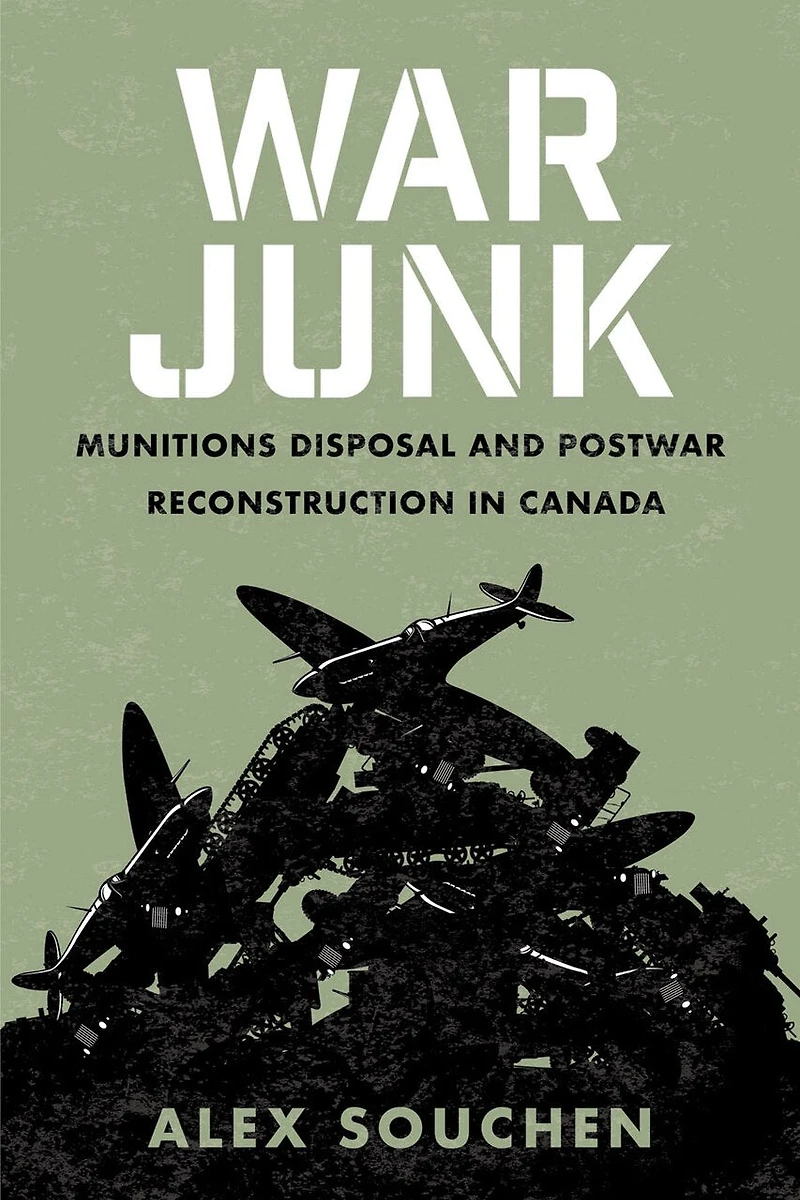
War Junk: Munitions Disposal And Postwar Reconstruction Canada in Grande Prairie, AB
Current price: $37.95
Coles
War Junk: Munitions Disposal And Postwar Reconstruction Canada in Grande Prairie, AB
Current price: $37.95
Loading Inventory...
Size: Hardcover
*Product information and pricing may vary - to confirm current pricing, availability, shipping, and return information please contact Coles. In the event of a pricing discrepancy, the retailer's price will apply.
During the Second World War, Canadian factories produced mountains of munitions and supplies, including some 800 ships, 16,000 aircraft, 800,000 vehicles, and over 4.6 billion rounds of ammunition and artillery shells. Although they were crucial to winning the war, these assets turned into peacetime liabilities when hostilities ended in 1945.
Drawing on comprehensive archival research, Alex Souchen provides a definitive account of the disposal crisis triggered by Allied victory and shows how policymakers implemented a disposal strategy that facilitated postwar reconstruction. Canadians responded to the unprecedented divestment of public property by reusing and recycling military surpluses to improve their postwar lives.
War Junk recounts the complex political, economic, social, and environmental legacies of munitions disposal in Canada by revealing how the tools of war became integral to the making of postwar Canada.
During the Second World War, Canadian factories produced mountains of munitions and supplies, including some 800 ships, 16,000 aircraft, 800,000 vehicles, and over 4.6 billion rounds of ammunition and artillery shells. Although they were crucial to winning the war, these assets turned into peacetime liabilities when hostilities ended in 1945.
Drawing on comprehensive archival research, Alex Souchen provides a definitive account of the disposal crisis triggered by Allied victory and shows how policymakers implemented a disposal strategy that facilitated postwar reconstruction. Canadians responded to the unprecedented divestment of public property by reusing and recycling military surpluses to improve their postwar lives.
War Junk recounts the complex political, economic, social, and environmental legacies of munitions disposal in Canada by revealing how the tools of war became integral to the making of postwar Canada.
You May Also Like









Find at Prairie Mall in Grande Prairie, AB
Visit at Prairie Mall in Grande Prairie, AB