


Gifting Made Simple
Give the Gift of ChoiceClick below to purchase a Prairie Mall eGift Card that can be used at participating retailers at Prairie Mall.Buy Gift CardHome
War and National Reinvention: Japan in the Great War, 1914-1919
Coles
Loading Inventory...
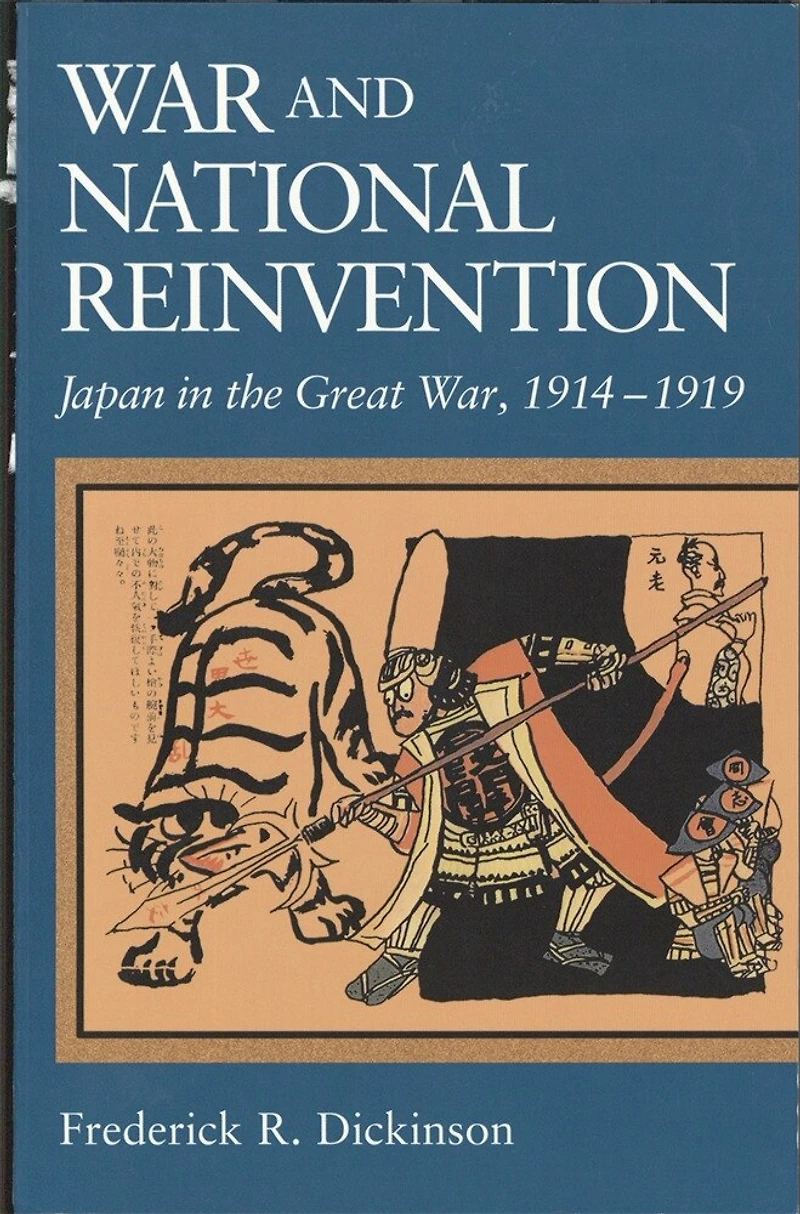
War and National Reinvention: Japan in the Great War, 1914-1919 in Grande Prairie, AB
Current price: $34.00
Coles
War and National Reinvention: Japan in the Great War, 1914-1919 in Grande Prairie, AB
Current price: $34.00
Loading Inventory...
Size: Paperback
*Product information and pricing may vary - to confirm current pricing, availability, shipping, and return information please contact Coles. In the event of a pricing discrepancy, the retailer's price will apply.
For Japan, as one of the victorious allies, World War I meant territorial gains in China and the Pacific. At the end of the war, however, Japan discovered that in modeling itself on imperial Germany since the nineteenth century, it had perhaps been imitating the wrong national example. Japanese policy debates during World War I, particularly the clash between proponents of greater democratization and those who argued for military expansion, thus became part of the ongoing discussion of national identity among Japanese elites. This study links two sets of concerns—the focus of recent studies of the nation on language, culture, education, and race; and the emphasis of diplomatic history on international developments—to show how political, diplomatic, and cultural concerns work together to shape national identity.
For Japan, as one of the victorious allies, World War I meant territorial gains in China and the Pacific. At the end of the war, however, Japan discovered that in modeling itself on imperial Germany since the nineteenth century, it had perhaps been imitating the wrong national example. Japanese policy debates during World War I, particularly the clash between proponents of greater democratization and those who argued for military expansion, thus became part of the ongoing discussion of national identity among Japanese elites. This study links two sets of concerns—the focus of recent studies of the nation on language, culture, education, and race; and the emphasis of diplomatic history on international developments—to show how political, diplomatic, and cultural concerns work together to shape national identity.
You May Also Like

















Find at Prairie Mall in Grande Prairie, AB
Visit at Prairie Mall in Grande Prairie, AB