


Gifting Made Simple
Give the Gift of ChoiceClick below to purchase a Prairie Mall eGift Card that can be used at participating retailers at Prairie Mall.Buy Gift CardHome
Virgilian Geopoetics: the Poetics and Politics of Space Aeneid
Coles
Loading Inventory...
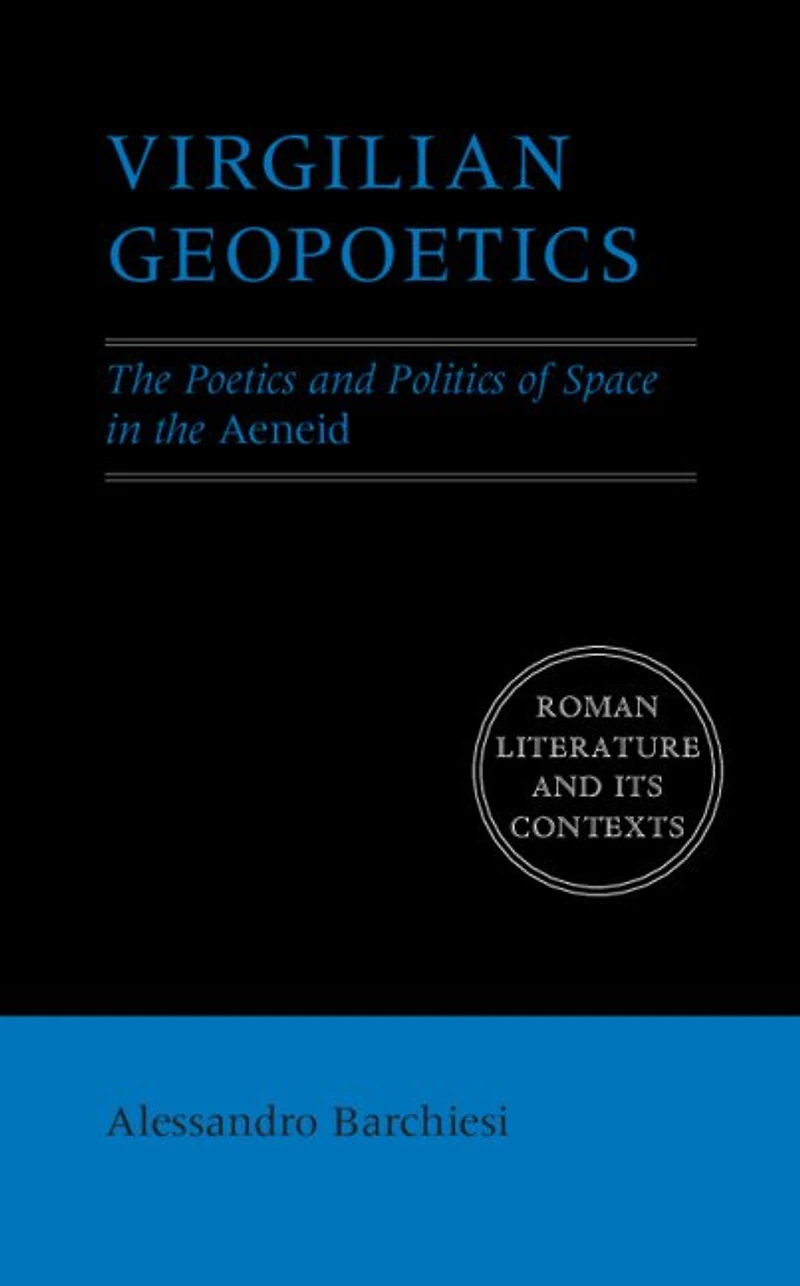
Virgilian Geopoetics: the Poetics and Politics of Space Aeneid in Grande Prairie, AB
Current price: $112.95
Coles
Virgilian Geopoetics: the Poetics and Politics of Space Aeneid in Grande Prairie, AB
Current price: $112.95
Loading Inventory...
Size: Hardcover
*Product information and pricing may vary - to confirm current pricing, availability, shipping, and return information please contact Coles. In the event of a pricing discrepancy, the retailer's price will apply.
This is an exploration of how the spatial dimension of the Aeneid is enriched by history, memory, and prophecy. As the travel of Aeneas moves on through the Mediterranean, space is turning into place, and place is turning into a Romanized map of the world. Alessandro Barchiesi brings to bear on the poetry of Virgil issues that are central to historical studies, such as colonization, imperialism, exile, conquest, diaspora, ethnicity, and deportation. He clarifies a number of connections between space, geography, and historical memory, revealing the significance of landscapes and seascapes in the light of a poetics of empire. He further investigates the political significance of contact zones, the recurring role of cult and religion, and the function of intertextuality in the construction of space. The book encourages dialogue between ancient studies and ecocriticism and provides a case study of how poetry interacts with Roman ideologies of empire.
This is an exploration of how the spatial dimension of the Aeneid is enriched by history, memory, and prophecy. As the travel of Aeneas moves on through the Mediterranean, space is turning into place, and place is turning into a Romanized map of the world. Alessandro Barchiesi brings to bear on the poetry of Virgil issues that are central to historical studies, such as colonization, imperialism, exile, conquest, diaspora, ethnicity, and deportation. He clarifies a number of connections between space, geography, and historical memory, revealing the significance of landscapes and seascapes in the light of a poetics of empire. He further investigates the political significance of contact zones, the recurring role of cult and religion, and the function of intertextuality in the construction of space. The book encourages dialogue between ancient studies and ecocriticism and provides a case study of how poetry interacts with Roman ideologies of empire.
You May Also Like









Find at Prairie Mall in Grande Prairie, AB
Visit at Prairie Mall in Grande Prairie, AB