


Gifting Made Simple
Give the Gift of ChoiceClick below to purchase a Prairie Mall eGift Card that can be used at participating retailers at Prairie Mall.Buy Gift CardHome
Victorian Nightshades: How the Solanaceae Shaped Modern World
Coles
Loading Inventory...
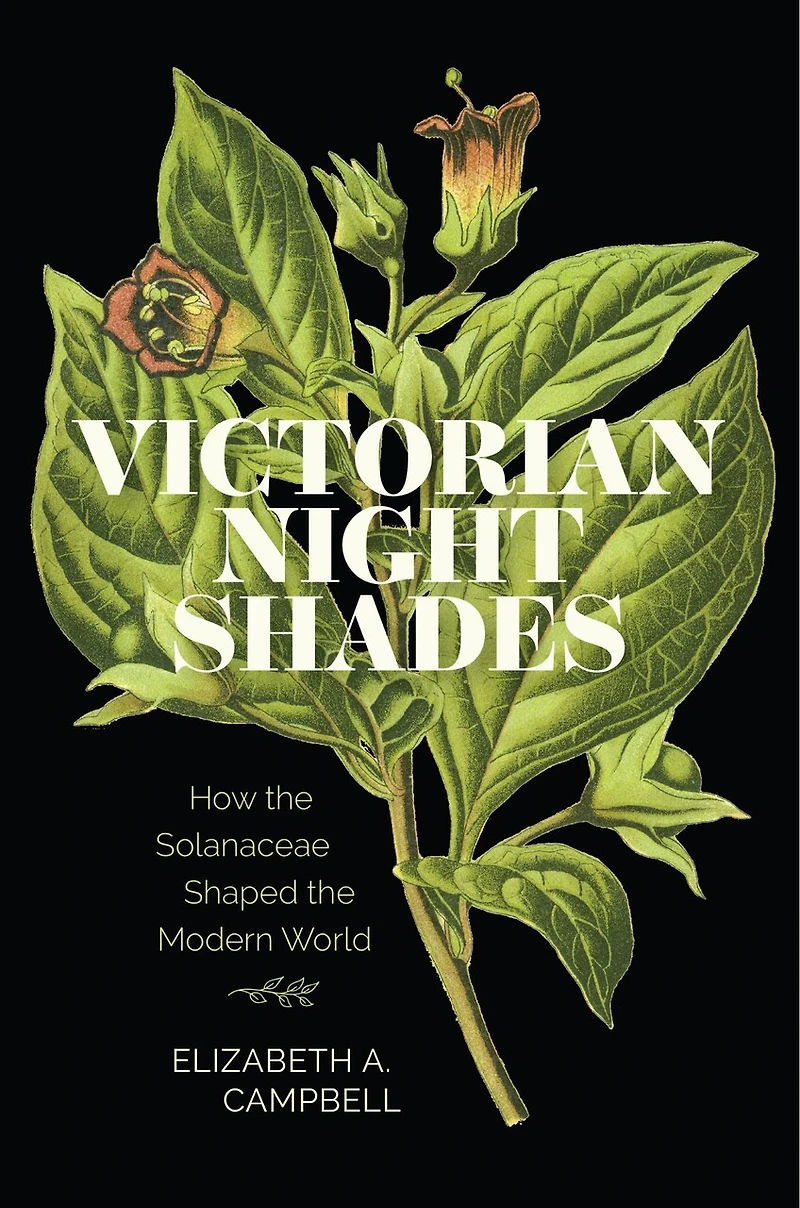
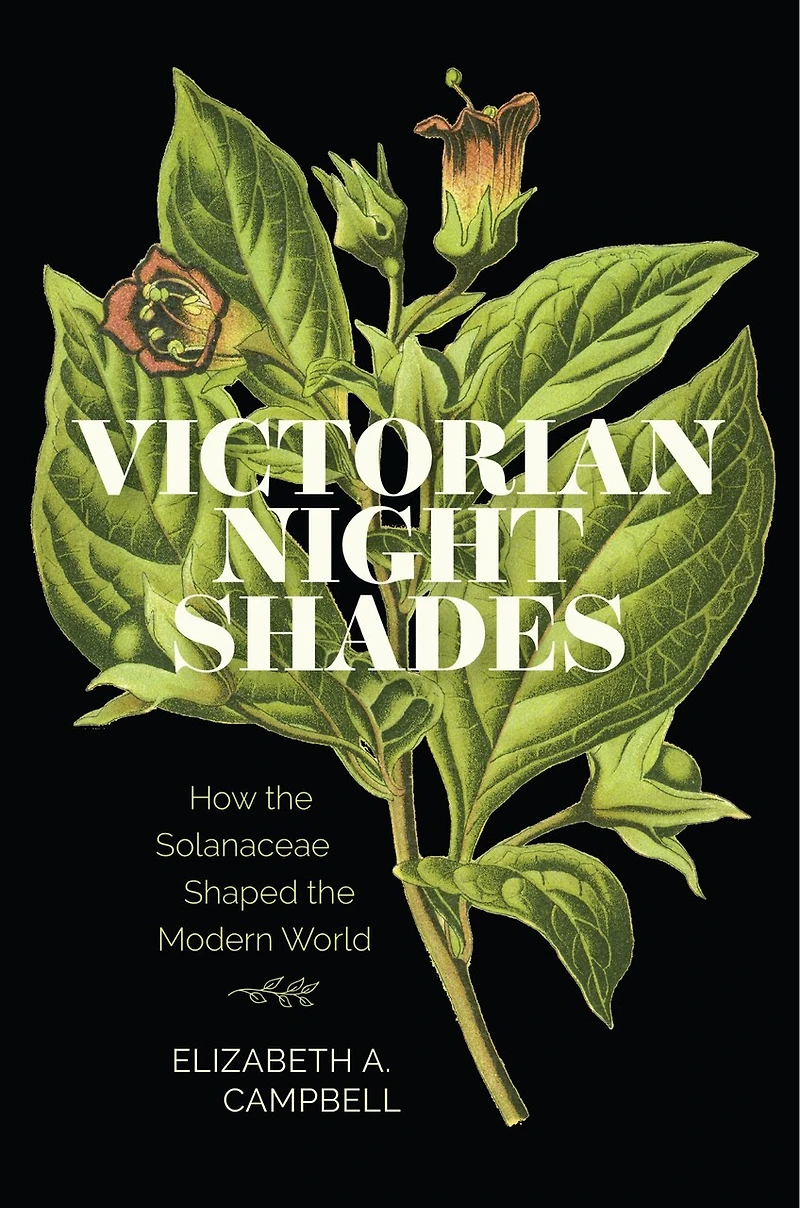
Victorian Nightshades: How the Solanaceae Shaped Modern World in Grande Prairie, AB
Current price: $162.95
Coles
Victorian Nightshades: How the Solanaceae Shaped Modern World in Grande Prairie, AB
Current price: $162.95
Loading Inventory...
Size: Hardcover
*Product information and pricing may vary - to confirm current pricing, availability, shipping, and return information please contact Coles. In the event of a pricing discrepancy, the retailer's price will apply.
A darkly alluring plant family and the arrival of modernity
Victorian Nightshades tells the story of how one plant family—notorious for centuries in England because of its frequently psychoactive and poisonous properties—rose to social and economic prevalence during the nineteenth century. Beginning with bittersweet and belladonna, the Old World species associated with evil, witchcraft, and dangerous women in an era when traditional botanical beliefs not only assigned morality to plants but also gendered them, Campbell then moves to the ubiquitous potato and tobacco before concluding with four of the Solanaceae that achieved the widest national favor by the end of the century: the ornamental petunia and the edible pepper, eggplant, and tomato.
The story of the nightshades exposes the conflicts between science and popular sentiment and between knowledge and received opinion that defined the nineteenth century. Campbell compellingly details how advances in medical and botanical knowledge, evolutionary theory, and the vagaries of human desire transformed the Solanaceae from a plant family plagued by fear and hostility in the British imagination to one of cultural favor and celebration by the turn of the century—encapsulating the Victorian era’s course to modernity.
A darkly alluring plant family and the arrival of modernity
Victorian Nightshades tells the story of how one plant family—notorious for centuries in England because of its frequently psychoactive and poisonous properties—rose to social and economic prevalence during the nineteenth century. Beginning with bittersweet and belladonna, the Old World species associated with evil, witchcraft, and dangerous women in an era when traditional botanical beliefs not only assigned morality to plants but also gendered them, Campbell then moves to the ubiquitous potato and tobacco before concluding with four of the Solanaceae that achieved the widest national favor by the end of the century: the ornamental petunia and the edible pepper, eggplant, and tomato.
The story of the nightshades exposes the conflicts between science and popular sentiment and between knowledge and received opinion that defined the nineteenth century. Campbell compellingly details how advances in medical and botanical knowledge, evolutionary theory, and the vagaries of human desire transformed the Solanaceae from a plant family plagued by fear and hostility in the British imagination to one of cultural favor and celebration by the turn of the century—encapsulating the Victorian era’s course to modernity.
You May Also Like









Find at Prairie Mall in Grande Prairie, AB
Visit at Prairie Mall in Grande Prairie, AB