


Gifting Made Simple
Give the Gift of ChoiceClick below to purchase a Prairie Mall eGift Card that can be used at participating retailers at Prairie Mall.Buy Gift CardHome
Unravelling Choice of Law in International Commercial Contracts: Indonesia as an Illustrative Case Study
Coles
Loading Inventory...
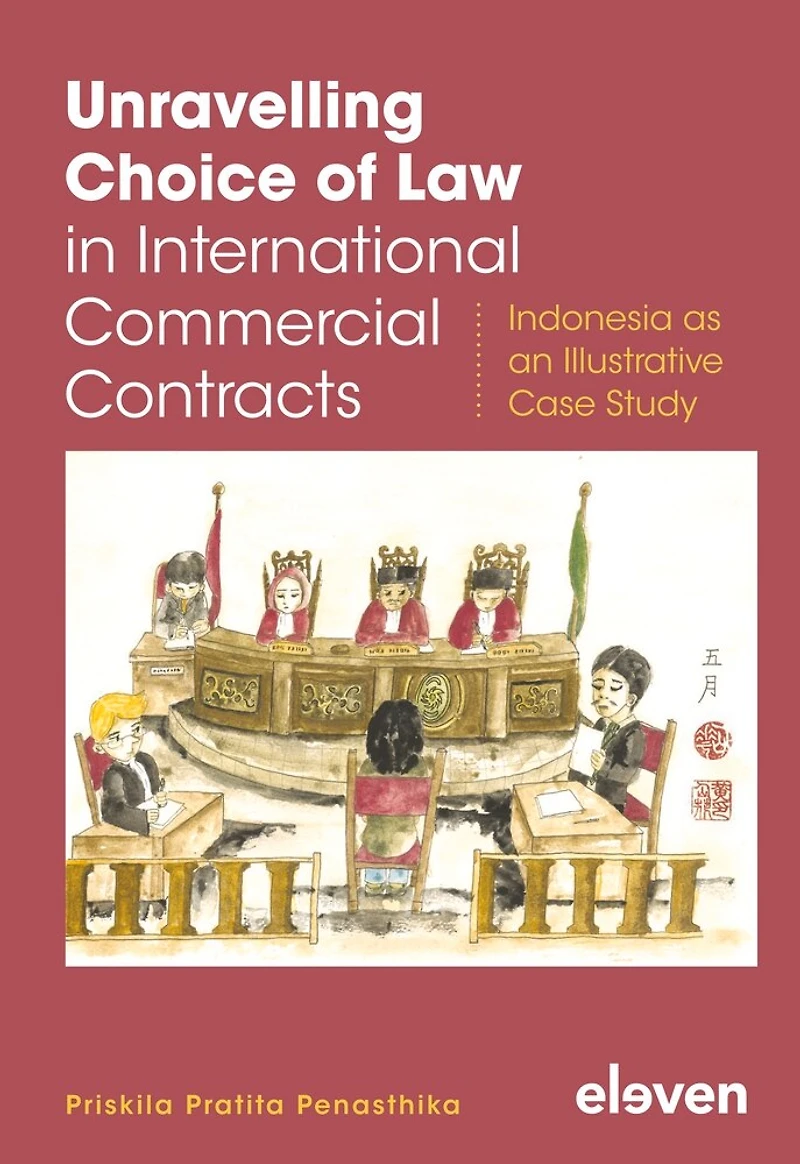
Unravelling Choice of Law in International Commercial Contracts: Indonesia as an Illustrative Case Study in Grande Prairie, AB
Current price: $206.99
Coles
Unravelling Choice of Law in International Commercial Contracts: Indonesia as an Illustrative Case Study in Grande Prairie, AB
Current price: $206.99
Loading Inventory...
Size: Hardcover
*Product information and pricing may vary - to confirm current pricing, availability, shipping, and return information please contact Coles. In the event of a pricing discrepancy, the retailer's price will apply.
Despite the paramount role of choice of law in international contractual relationships, its implementation in various countries remains disparate. Many countries have acknowledged and given effect to choice of law, but some other countries persist in opposing it. The lingering reluctance in enforcing choice of law remains a challenging impediment to cross-border commercial relationships.
Strict adherence to the territoriality principle, absence of special provisions or clear guidelines of choice of law, and difficulties in confirming the content of the chosen foreign law are among the reasons for the reluctance to give effect to choice of law. These circumstances are encountered by some countries, including Indonesia.
This book not only unravels the reasons for Indonesia’s reluctance and its subsequent lack of advancement on choice of law, but also examines possible solutions to the problem. Building on in-depth doctrinal research, supported by qualitative interviews, this research will serve as an essential point of reference for academics, practitioners, and policymakers interested in private international law and cross-border commercial litigation.
Despite the paramount role of choice of law in international contractual relationships, its implementation in various countries remains disparate. Many countries have acknowledged and given effect to choice of law, but some other countries persist in opposing it. The lingering reluctance in enforcing choice of law remains a challenging impediment to cross-border commercial relationships.
Strict adherence to the territoriality principle, absence of special provisions or clear guidelines of choice of law, and difficulties in confirming the content of the chosen foreign law are among the reasons for the reluctance to give effect to choice of law. These circumstances are encountered by some countries, including Indonesia.
This book not only unravels the reasons for Indonesia’s reluctance and its subsequent lack of advancement on choice of law, but also examines possible solutions to the problem. Building on in-depth doctrinal research, supported by qualitative interviews, this research will serve as an essential point of reference for academics, practitioners, and policymakers interested in private international law and cross-border commercial litigation.
You May Also Like


















Find at Prairie Mall in Grande Prairie, AB
Visit at Prairie Mall in Grande Prairie, AB