


Gifting Made Simple
Give the Gift of ChoiceClick below to purchase a Prairie Mall eGift Card that can be used at participating retailers at Prairie Mall.Buy Gift CardHome
Unjust Restitution: A Century of Black Struggle for Equality
Coles
Loading Inventory...
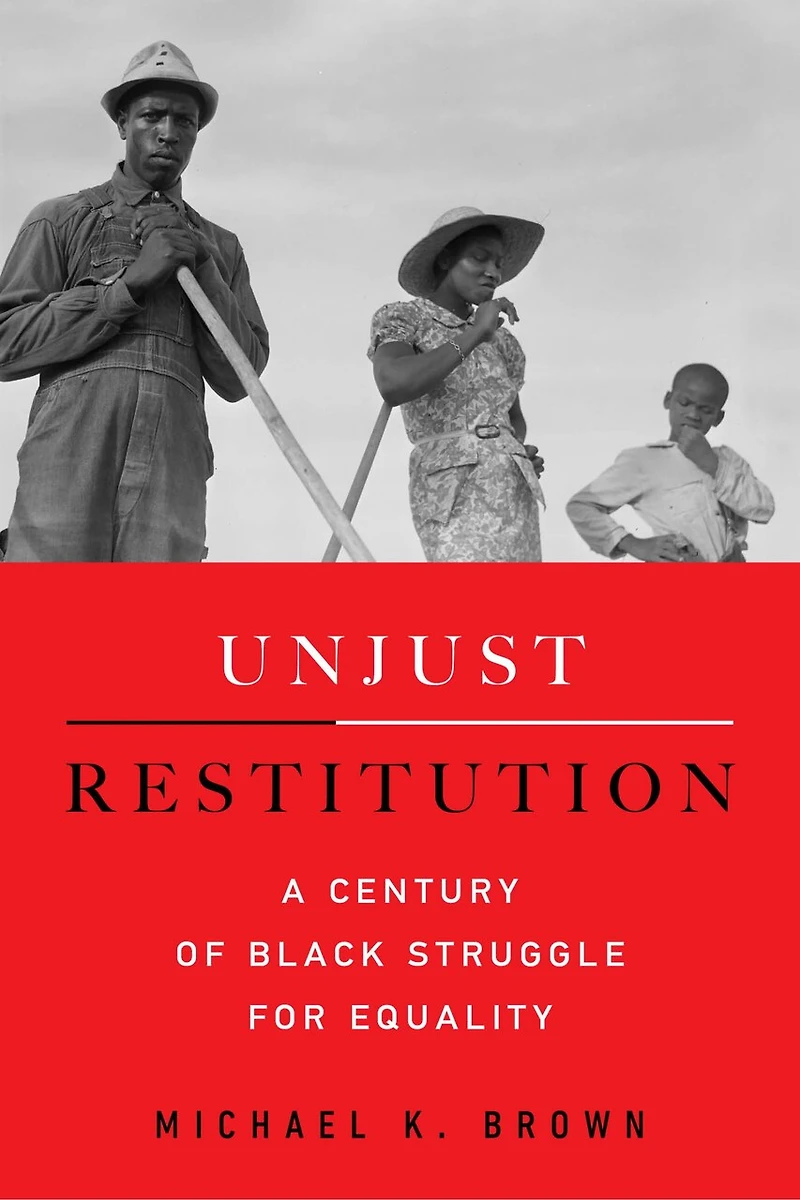
Unjust Restitution: A Century of Black Struggle for Equality in Grande Prairie, AB
Current price: $122.46
Coles
Unjust Restitution: A Century of Black Struggle for Equality in Grande Prairie, AB
Current price: $122.46
Loading Inventory...
Size: Hardcover
*Product information and pricing may vary - to confirm current pricing, availability, shipping, and return information please contact Coles. In the event of a pricing discrepancy, the retailer's price will apply.
The question of economic justice for Black Americans continues to be the subject of contentious political debate. Here, Michael K. Brown examines the meaning of racial equality during three transformative periods when economic opportunity appeared to be a real possibility: Reconstruction, the New Deal, and the Great Society. Political leaders who believed slavery and Jim Crow degraded Black people enacted policies to rehabilitate formerly subjugated individuals. Black Americans, on the other hand, repudiated the idea that they were damaged people in need of repair. Repeatedly, Black people’s vision of economic justice was based on antiprivilege egalitarianism, the idea that a just restitution for their oppression required abolishing the political and legal privileges whites had acquired. Black opposition reveals what was at stake at each historical moment and what might constitute economic justice in the twenty-first century.
The question of economic justice for Black Americans continues to be the subject of contentious political debate. Here, Michael K. Brown examines the meaning of racial equality during three transformative periods when economic opportunity appeared to be a real possibility: Reconstruction, the New Deal, and the Great Society. Political leaders who believed slavery and Jim Crow degraded Black people enacted policies to rehabilitate formerly subjugated individuals. Black Americans, on the other hand, repudiated the idea that they were damaged people in need of repair. Repeatedly, Black people’s vision of economic justice was based on antiprivilege egalitarianism, the idea that a just restitution for their oppression required abolishing the political and legal privileges whites had acquired. Black opposition reveals what was at stake at each historical moment and what might constitute economic justice in the twenty-first century.
You May Also Like

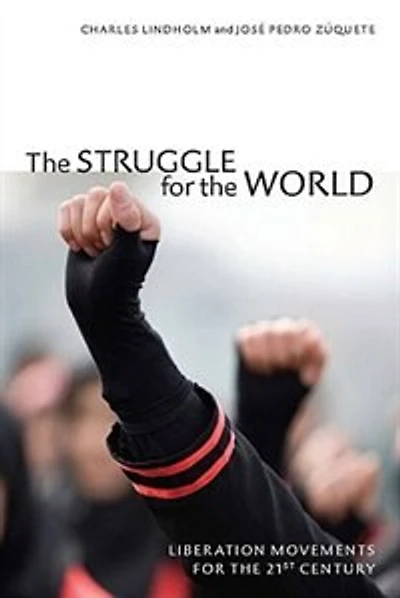








Find at Prairie Mall in Grande Prairie, AB
Visit at Prairie Mall in Grande Prairie, AB