


Gifting Made Simple
Give the Gift of ChoiceClick below to purchase a Prairie Mall eGift Card that can be used at participating retailers at Prairie Mall.Buy Gift CardHome
Union Pacific Communications History: Supporting Technological Leadership in the Railroad Industry
Coles
Loading Inventory...
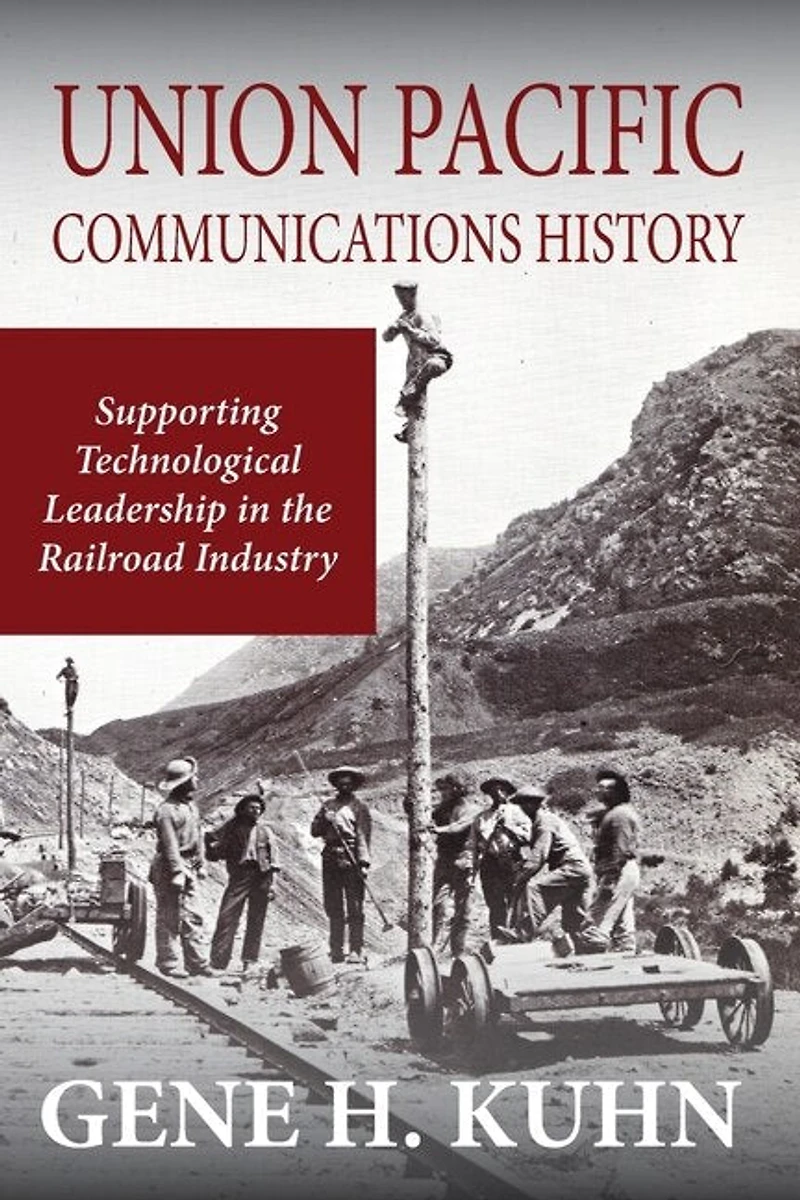
Union Pacific Communications History: Supporting Technological Leadership in the Railroad Industry in Grande Prairie, AB
Current price: $29.95
Coles
Union Pacific Communications History: Supporting Technological Leadership in the Railroad Industry in Grande Prairie, AB
Current price: $29.95
Loading Inventory...
Size: Paperback
*Product information and pricing may vary - to confirm current pricing, availability, shipping, and return information please contact Coles. In the event of a pricing discrepancy, the retailer's price will apply.
My uncle criticized my judgment for leaving the Bell System and taking a job in the stogy old dying railroad industry. It proved to be an exciting time to make the move with the introduction of new technologies into railroading.
When railroads introduced computers into their business, information gathering and transfer was met by the communications department through rapid expansion of the means to transmit this data for analysis of the railroad business to meet competition from other entities. Airlines and highway eliminated the early monopoly the railroads enjoyed in commerce moving people and goods.
This book was written to document much of this change and the leadership in the Union Pacific Communications Department which set in motion the implementation of new technologies. Two way radios on locomotives for communications to dispatchers and between train crews, improved efficiency in operations. Microwave systems expanded the capacity for telephone and data service. Mobile telephone radios released desk bound division engineers and trainmasters to the field, to observe and direct operations. SCADA systems eliminated traditional pole lines, and fiber optic cables increased capacity of communications.
The book also documents the departments interface with government agencies and support of Union Pacific subsidiaries.
My uncle criticized my judgment for leaving the Bell System and taking a job in the stogy old dying railroad industry. It proved to be an exciting time to make the move with the introduction of new technologies into railroading.
When railroads introduced computers into their business, information gathering and transfer was met by the communications department through rapid expansion of the means to transmit this data for analysis of the railroad business to meet competition from other entities. Airlines and highway eliminated the early monopoly the railroads enjoyed in commerce moving people and goods.
This book was written to document much of this change and the leadership in the Union Pacific Communications Department which set in motion the implementation of new technologies. Two way radios on locomotives for communications to dispatchers and between train crews, improved efficiency in operations. Microwave systems expanded the capacity for telephone and data service. Mobile telephone radios released desk bound division engineers and trainmasters to the field, to observe and direct operations. SCADA systems eliminated traditional pole lines, and fiber optic cables increased capacity of communications.
The book also documents the departments interface with government agencies and support of Union Pacific subsidiaries.
You May Also Like














Find at Prairie Mall in Grande Prairie, AB
Visit at Prairie Mall in Grande Prairie, AB