


Gifting Made Simple
Give the Gift of ChoiceClick below to purchase a Prairie Mall eGift Card that can be used at participating retailers at Prairie Mall.Buy Gift CardHome
Two Nations, Indivisible: A History of Inequality America
Coles
Loading Inventory...
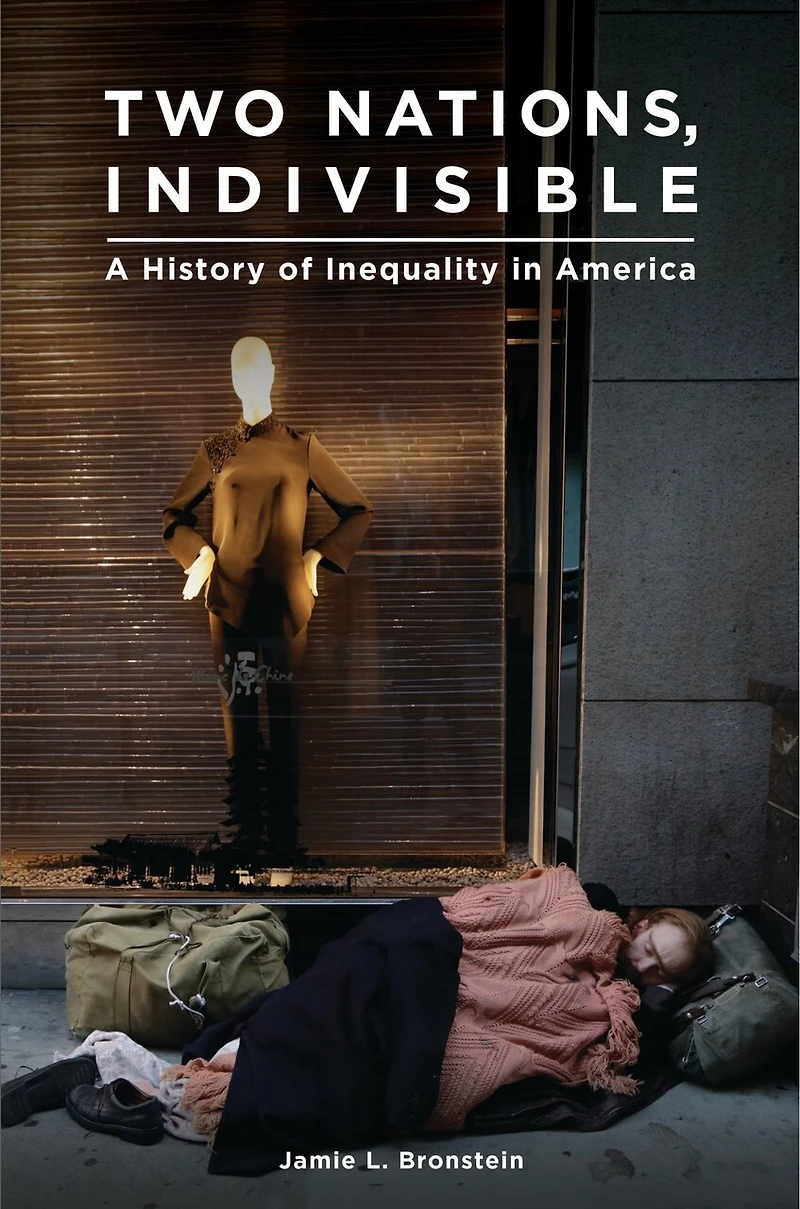
Two Nations, Indivisible: A History of Inequality America in Grande Prairie, AB
Current price: $99.50
Coles
Two Nations, Indivisible: A History of Inequality America in Grande Prairie, AB
Current price: $99.50
Loading Inventory...
Size: Hardcover
*Product information and pricing may vary - to confirm current pricing, availability, shipping, and return information please contact Coles. In the event of a pricing discrepancy, the retailer's price will apply.
While examining the arguments made in favor of egalitarianism, this book debunks the notion that the United States is now or has ever been a nation offering equal opportunity to all. In the Declaration of Independence, Jefferson famously asserted that "all men are created equal." Likewise, social mobility-the idea that any child can grow up to be president-has been key to the myth of what makes America great. Yet the hard truth is that inequality of both opportunity and resulting condition has been a defining feature of America's story. Written by a comparative labor historian, this book combines economic and social history with intellectual history to reveal the major trends of inequality that have been evident in America from Revolutionary times through the present. The book opens with an introduction to the burgeoning issue of inequality in America. The following chronological chapters describe how inequality was manifest in various periods. Each chapter not only provides a full survey of the secondary literature related to the topic of inequality in the particular time period but also examines prescriptions from thinkers who espoused equality, including Thomas Paine, Thomas Skidmore, Henry George, Jane Addams, Upton Sinclair, and Harry Caudill. By assessing these and other arguments relevant to social change, the work helps readers understand the cases made for and against equality of opportunity and condition throughout U.S. history.
While examining the arguments made in favor of egalitarianism, this book debunks the notion that the United States is now or has ever been a nation offering equal opportunity to all. In the Declaration of Independence, Jefferson famously asserted that "all men are created equal." Likewise, social mobility-the idea that any child can grow up to be president-has been key to the myth of what makes America great. Yet the hard truth is that inequality of both opportunity and resulting condition has been a defining feature of America's story. Written by a comparative labor historian, this book combines economic and social history with intellectual history to reveal the major trends of inequality that have been evident in America from Revolutionary times through the present. The book opens with an introduction to the burgeoning issue of inequality in America. The following chronological chapters describe how inequality was manifest in various periods. Each chapter not only provides a full survey of the secondary literature related to the topic of inequality in the particular time period but also examines prescriptions from thinkers who espoused equality, including Thomas Paine, Thomas Skidmore, Henry George, Jane Addams, Upton Sinclair, and Harry Caudill. By assessing these and other arguments relevant to social change, the work helps readers understand the cases made for and against equality of opportunity and condition throughout U.S. history.
You May Also Like




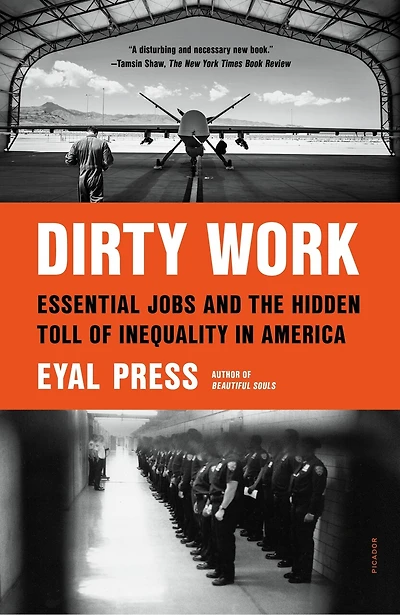








Find at Prairie Mall in Grande Prairie, AB
Visit at Prairie Mall in Grande Prairie, AB