


Gifting Made Simple
Give the Gift of ChoiceClick below to purchase a Prairie Mall eGift Card that can be used at participating retailers at Prairie Mall.Buy Gift CardHome
Tudor Liveliness: Vivid Art in Post-Reformation England
Coles
Loading Inventory...
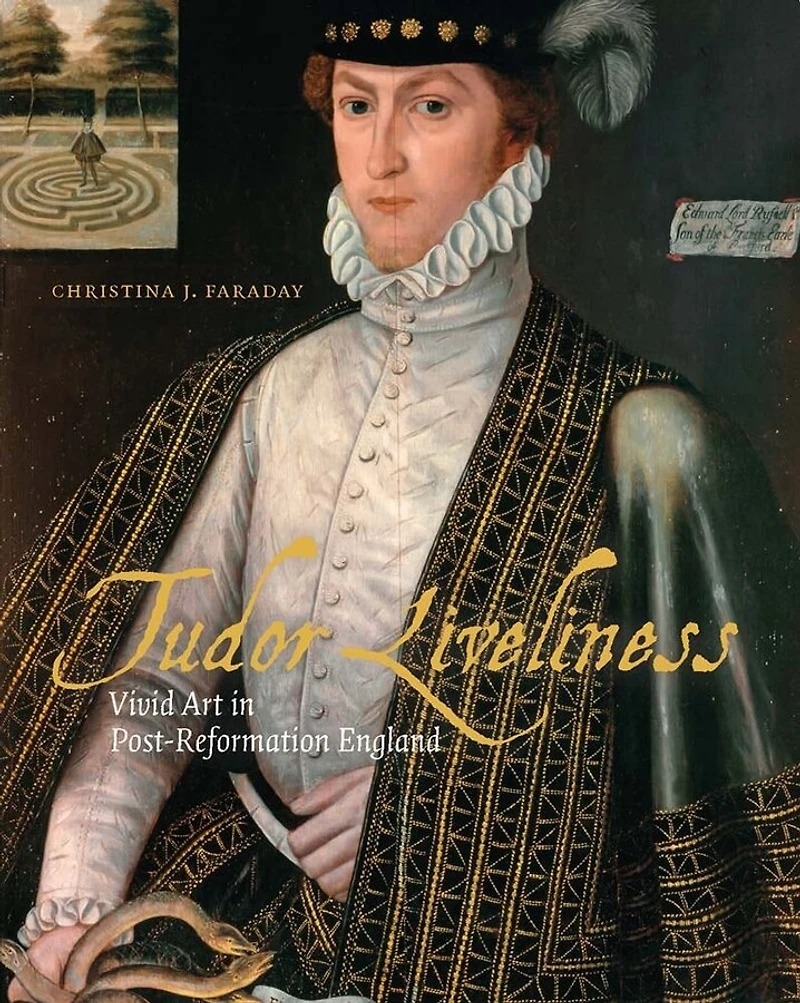
Tudor Liveliness: Vivid Art in Post-Reformation England
By None
Current price: $84.50
Coles
Tudor Liveliness: Vivid Art in Post-Reformation England
By None
Current price: $84.50
Loading Inventory...
Size: Hardcover
*Product information and pricing may vary - to confirm current pricing, availability, shipping, and return information please contact Coles. In the event of a pricing discrepancy, the retailer's price will apply.
A groundbreaking approach to the problem of realism in Tudor art
In Tudor and Jacobean England, visual art was often termed “lively.” This word was used to describe the full range of visual and material culture—from portraits to funeral monuments, book illustrations to tapestry. To a modern viewer, this claim seems perplexing: what could “liveliness” have meant in a culture with seemingly little appreciation for illusionistic naturalism? And in a period supposedly characterised by fear of idolatry, how could “liveliness” have been a good thing?
In this wide-ranging and innovative book, Christina Faraday excavates a uniquely Tudor model of vividness: one grounded in rhetorical techniques for creating powerful mental images for audiences. By drawing parallels with the dominant communicative framework of the day, Tudor Liveliness sheds new light on a lost mode of Tudor art criticism and appreciation, revealing how objects across a vast range of genres and contexts were taking part in the same intellectual and aesthetic conversations. By resurrecting a lost model for art theory, Faraday re-enlivens the vivid visual and material culture of Tudor and Jacobean England, recovering its original power to move, impress and delight.
Distributed for the Paul Mellon Centre for Studies in British Art
A groundbreaking approach to the problem of realism in Tudor art
In Tudor and Jacobean England, visual art was often termed “lively.” This word was used to describe the full range of visual and material culture—from portraits to funeral monuments, book illustrations to tapestry. To a modern viewer, this claim seems perplexing: what could “liveliness” have meant in a culture with seemingly little appreciation for illusionistic naturalism? And in a period supposedly characterised by fear of idolatry, how could “liveliness” have been a good thing?
In this wide-ranging and innovative book, Christina Faraday excavates a uniquely Tudor model of vividness: one grounded in rhetorical techniques for creating powerful mental images for audiences. By drawing parallels with the dominant communicative framework of the day, Tudor Liveliness sheds new light on a lost mode of Tudor art criticism and appreciation, revealing how objects across a vast range of genres and contexts were taking part in the same intellectual and aesthetic conversations. By resurrecting a lost model for art theory, Faraday re-enlivens the vivid visual and material culture of Tudor and Jacobean England, recovering its original power to move, impress and delight.
Distributed for the Paul Mellon Centre for Studies in British Art
You May Also Like








More About Coles at Prairie Mall
11801 100 St #104, Grande Prairie, AB T8V 3Y2, Canada
Find Coles at Prairie Mall in Grande Prairie, AB
Visit Coles at Prairie Mall in Grande Prairie, AB