


Gifting Made Simple
Give the Gift of ChoiceClick below to purchase a Prairie Mall eGift Card that can be used at participating retailers at Prairie Mall.Buy Gift CardHome
Trinity and Organism: Towards A New Reading Of Herman Bavinck's Organic Motif
Coles
Loading Inventory...
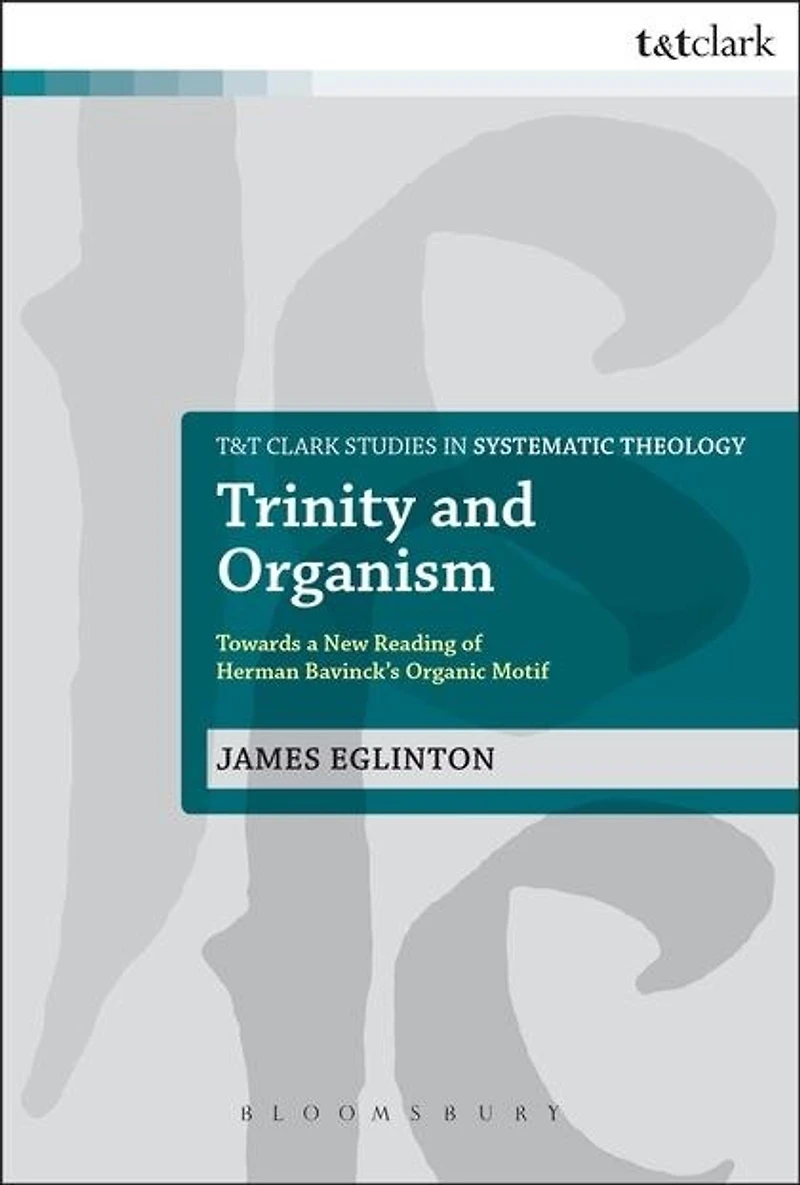
Trinity and Organism: Towards A New Reading Of Herman Bavinck's Organic Motif
By None
Current price: $292.50
Coles
Trinity and Organism: Towards A New Reading Of Herman Bavinck's Organic Motif
By None
Current price: $292.50
Loading Inventory...
Size: Hardcover
*Product information and pricing may vary - to confirm current pricing, availability, shipping, and return information please contact Coles. In the event of a pricing discrepancy, the retailer's price will apply.
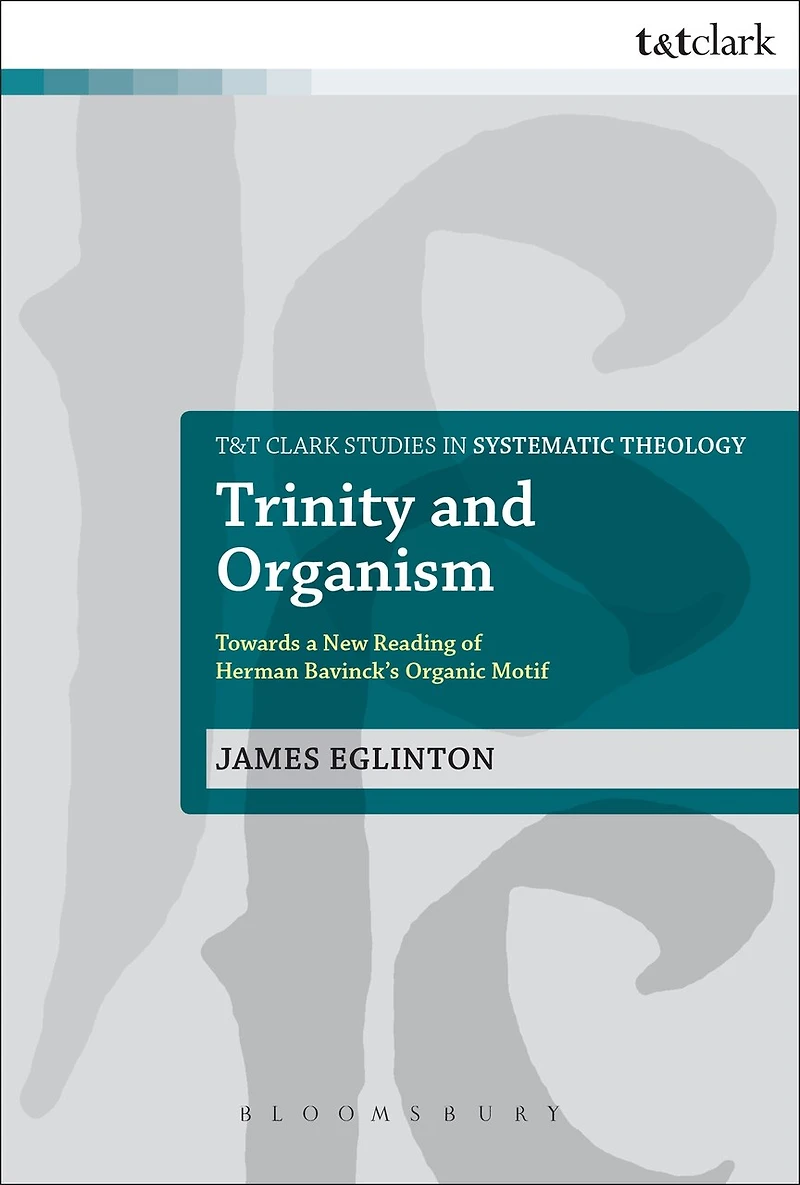
This book explores the organic motif found throughout the writings of the Dutch Calvinist theologian Herman Bavinck (1854-1921). Noting that Bavinck uses this motif at key points in the most important loci of theology; Christology, general and special revelation, ecclesiology and so forth; it seems that one cannot read him carefully without particular attention to his motif of choice: the organic. By examining the sense in which Bavinck views all of reality as a beautiful balance of unity-in-diversity, James Eglinton draws the reader to Bavinck's constant concern for the doctrine of God as Trinity. If God is the Father, the Son and the Holy Spirit, Bavinck argues, the creation must be more akin to an organism than a machine. Trinity and organism are thus closely linked concepts. Eglinton critiques and rejects the 'two Bavincks' (one orthodox and the other modern) hermeneutic so commonplace in discussions of Bavinck's theology. Instead, this book argues for a reunited Herman Bavinck as a figure committed to the participation of historic orthodox theology in the modern world.
This book explores the organic motif found throughout the writings of the Dutch Calvinist theologian Herman Bavinck (1854-1921). Noting that Bavinck uses this motif at key points in the most important loci of theology; Christology, general and special revelation, ecclesiology and so forth; it seems that one cannot read him carefully without particular attention to his motif of choice: the organic. By examining the sense in which Bavinck views all of reality as a beautiful balance of unity-in-diversity, James Eglinton draws the reader to Bavinck's constant concern for the doctrine of God as Trinity. If God is the Father, the Son and the Holy Spirit, Bavinck argues, the creation must be more akin to an organism than a machine. Trinity and organism are thus closely linked concepts. Eglinton critiques and rejects the 'two Bavincks' (one orthodox and the other modern) hermeneutic so commonplace in discussions of Bavinck's theology. Instead, this book argues for a reunited Herman Bavinck as a figure committed to the participation of historic orthodox theology in the modern world.
You May Also Like










More About Coles at Prairie Mall
11801 100 St #104, Grande Prairie, AB T8V 3Y2, Canada
Find Coles at Prairie Mall in Grande Prairie, AB
Visit Coles at Prairie Mall in Grande Prairie, AB