


Gifting Made Simple
Give the Gift of ChoiceClick below to purchase a Prairie Mall eGift Card that can be used at participating retailers at Prairie Mall.Buy Gift CardHome
Trauma-Informed Treatment and Prevention of Intimate Partner Violence
Coles
Loading Inventory...
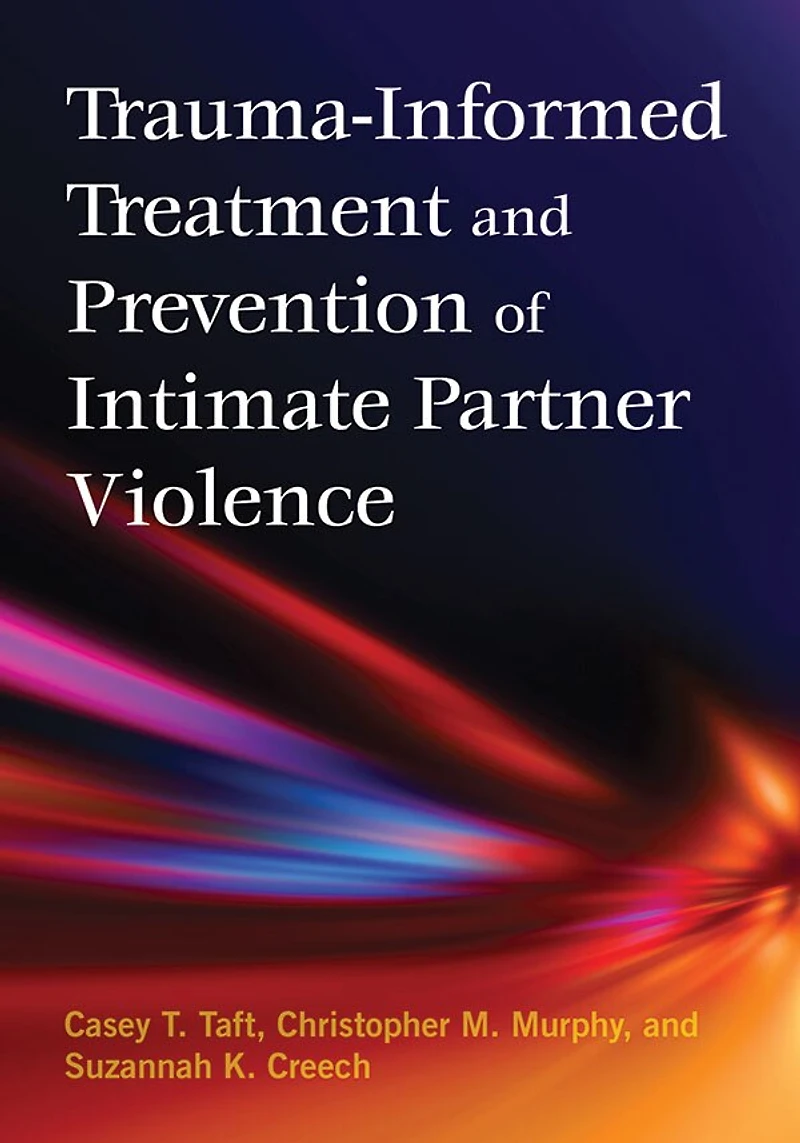
Trauma-Informed Treatment and Prevention of Intimate Partner Violence in Grande Prairie, AB
Current price: $112.50
Coles
Trauma-Informed Treatment and Prevention of Intimate Partner Violence in Grande Prairie, AB
Current price: $112.50
Loading Inventory...
Size: Hardcover
*Product information and pricing may vary - to confirm current pricing, availability, shipping, and return information please contact Coles. In the event of a pricing discrepancy, the retailer's price will apply.
Most models of Intimate Partner Violence (IPV) and training programs for practitioners who work with individuals who engage in IPV fail to take into consideration the impact of trauma on relationship functioning. This book gives mental health professionals the knowledge and skills they need to provide effective treatment to these individuals, the majority of whom have a history of exposure to trauma. The authors draw on their extensive clinical experience as well as extensive research to help clinicians assess and intervene both with military personnel and civilians who belong to this “hard to treat population. Their positive approach to treatment addresses trauma-related issues in those who experience IPV as well as those who engage in it. Clearly written and approachable, the book provides guidelines for intervention with groups, couples, and individuals, providing much-needed answers to both common and unexpected clinical challenges.
Most models of Intimate Partner Violence (IPV) and training programs for practitioners who work with individuals who engage in IPV fail to take into consideration the impact of trauma on relationship functioning. This book gives mental health professionals the knowledge and skills they need to provide effective treatment to these individuals, the majority of whom have a history of exposure to trauma. The authors draw on their extensive clinical experience as well as extensive research to help clinicians assess and intervene both with military personnel and civilians who belong to this “hard to treat population. Their positive approach to treatment addresses trauma-related issues in those who experience IPV as well as those who engage in it. Clearly written and approachable, the book provides guidelines for intervention with groups, couples, and individuals, providing much-needed answers to both common and unexpected clinical challenges.
You May Also Like












Find at Prairie Mall in Grande Prairie, AB
Visit at Prairie Mall in Grande Prairie, AB