


Gifting Made Simple
Give the Gift of ChoiceClick below to purchase a Prairie Mall eGift Card that can be used at participating retailers at Prairie Mall.Buy Gift CardHome
Transcultural Lyricism: Translation, Intertextuality, and the Rise of Emotion in Modern Chinese Love Fiction, 1899–1925
Coles
Loading Inventory...
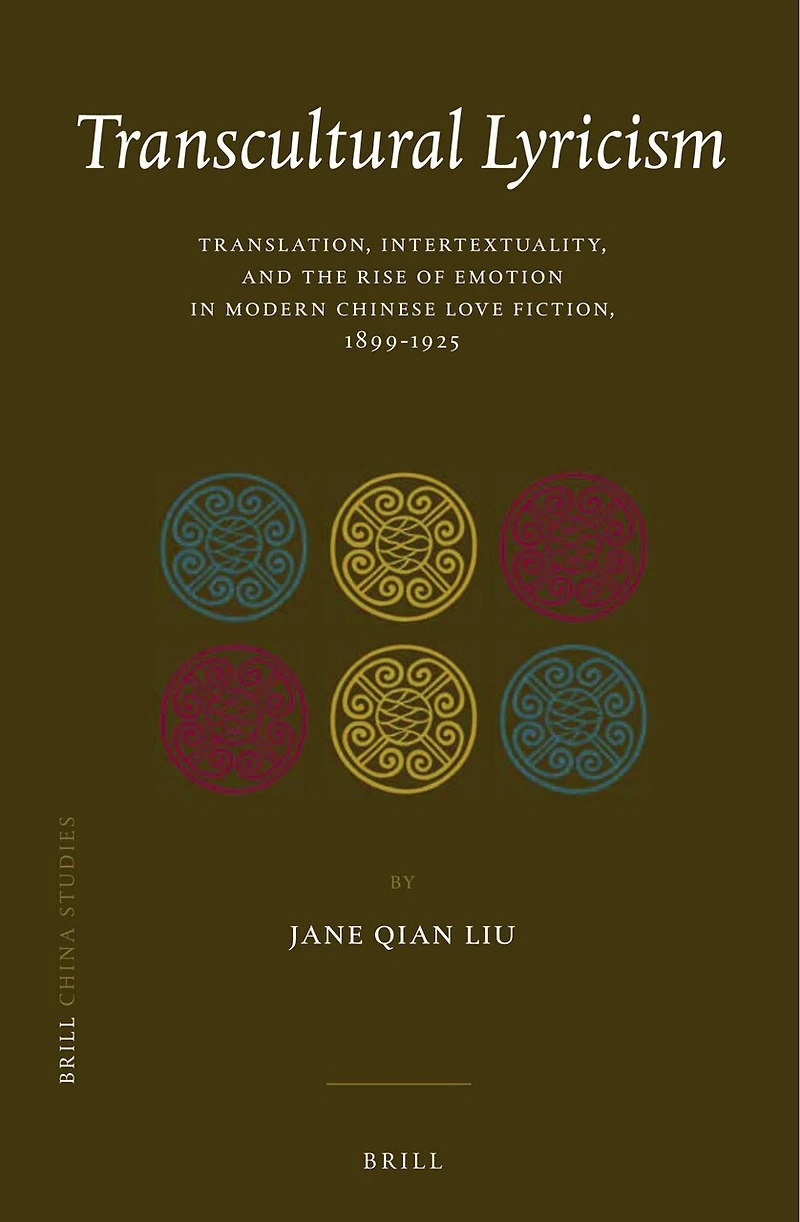
Transcultural Lyricism: Translation, Intertextuality, and the Rise of Emotion in Modern Chinese Love Fiction, 1899–1925 in Grande Prairie, AB
Current price: $209.99
Coles
Transcultural Lyricism: Translation, Intertextuality, and the Rise of Emotion in Modern Chinese Love Fiction, 1899–1925 in Grande Prairie, AB
Current price: $209.99
Loading Inventory...
Size: Hardcover
*Product information and pricing may vary - to confirm current pricing, availability, shipping, and return information please contact Coles. In the event of a pricing discrepancy, the retailer's price will apply.
In Transcultural Lyricism: Translation, Intertextuality, and the Rise of Emotion in Modern Chinese Love Fiction, 1899–1925 , Jane Qian Liu examines the profound transformation of emotional expression in Chinese fiction between the years 1899 and 1925. While modern Chinese literature is known to have absorbed narrative modes of Western literatures, it also learned radically new ways to convey emotions.
Drawn from an interdisciplinary mixture of literary, cultural and translation studies, Jane Qian Liu brings fresh insights into the study of intercultural literary interpretation and influence. She convincingly proves that Chinese writer-translators in early twentieth century were able to find new channels and modes to express emotional content through new combinations of traditional Chinese and Western techniques.
In Transcultural Lyricism: Translation, Intertextuality, and the Rise of Emotion in Modern Chinese Love Fiction, 1899–1925 , Jane Qian Liu examines the profound transformation of emotional expression in Chinese fiction between the years 1899 and 1925. While modern Chinese literature is known to have absorbed narrative modes of Western literatures, it also learned radically new ways to convey emotions.
Drawn from an interdisciplinary mixture of literary, cultural and translation studies, Jane Qian Liu brings fresh insights into the study of intercultural literary interpretation and influence. She convincingly proves that Chinese writer-translators in early twentieth century were able to find new channels and modes to express emotional content through new combinations of traditional Chinese and Western techniques.
You May Also Like








Find at Prairie Mall in Grande Prairie, AB
Visit at Prairie Mall in Grande Prairie, AB