


Gifting Made Simple
Give the Gift of ChoiceClick below to purchase a Prairie Mall eGift Card that can be used at participating retailers at Prairie Mall.Buy Gift CardHome
Tracing the History of Contemporary Taiwan's Aboriginal Groups: From Periphery to Centre
Coles
Loading Inventory...
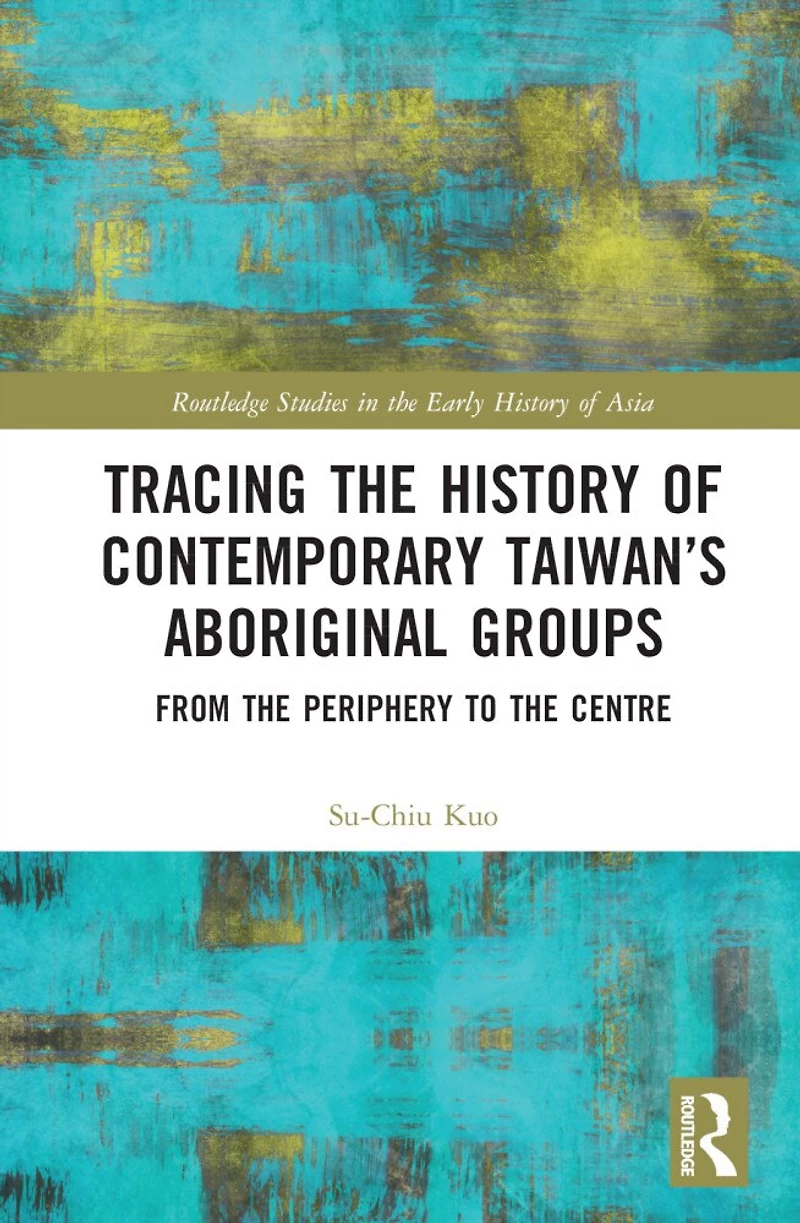
Tracing the History of Contemporary Taiwan's Aboriginal Groups: From Periphery to Centre in Grande Prairie, AB
Current price: $296.50
Coles
Tracing the History of Contemporary Taiwan's Aboriginal Groups: From Periphery to Centre in Grande Prairie, AB
Current price: $296.50
Loading Inventory...
Size: Hardcover
*Product information and pricing may vary - to confirm current pricing, availability, shipping, and return information please contact Coles. In the event of a pricing discrepancy, the retailer's price will apply.
Using archaeological evidence, the author investigates the prehistories of Austronesian migrants to Taiwan and their connections to contemporary peoples in Taiwan. Due to its unique geographic location, Taiwan has played a significant role in various peoples' maritime migrations and the process of cultural interactions for tens of thousands of years. Within the history of humankind, Taiwan has also evidenced a high degree of cultural continuity. Paleolithic people had already settled on the island at least 30,000 years ago, but Taiwan only entered the historical period as recently as the 17th century. Before this, there was a long and continuous development over the prehistoric period. To this day there are at least 20 different indigenous ethnic groups on the island, totalling over half a million people, all of whom speak Austronesian languages. Investigating the archaeology of abandoned villages, Kuo takes the Paiwan and Sanhe cultures as key case studies of these groups. This book provides valuable insight for historians and archaeologists of Taiwan, and scholars of prehistoric Austronesian migration.
Using archaeological evidence, the author investigates the prehistories of Austronesian migrants to Taiwan and their connections to contemporary peoples in Taiwan. Due to its unique geographic location, Taiwan has played a significant role in various peoples' maritime migrations and the process of cultural interactions for tens of thousands of years. Within the history of humankind, Taiwan has also evidenced a high degree of cultural continuity. Paleolithic people had already settled on the island at least 30,000 years ago, but Taiwan only entered the historical period as recently as the 17th century. Before this, there was a long and continuous development over the prehistoric period. To this day there are at least 20 different indigenous ethnic groups on the island, totalling over half a million people, all of whom speak Austronesian languages. Investigating the archaeology of abandoned villages, Kuo takes the Paiwan and Sanhe cultures as key case studies of these groups. This book provides valuable insight for historians and archaeologists of Taiwan, and scholars of prehistoric Austronesian migration.
You May Also Like













Find at Prairie Mall in Grande Prairie, AB
Visit at Prairie Mall in Grande Prairie, AB