


Gifting Made Simple
Give the Gift of ChoiceClick below to purchase a Prairie Mall eGift Card that can be used at participating retailers at Prairie Mall.Buy Gift CardHome
Tracing Gender Practices After Armed Conflicts: At Peace with Masculinities?
Coles
Loading Inventory...
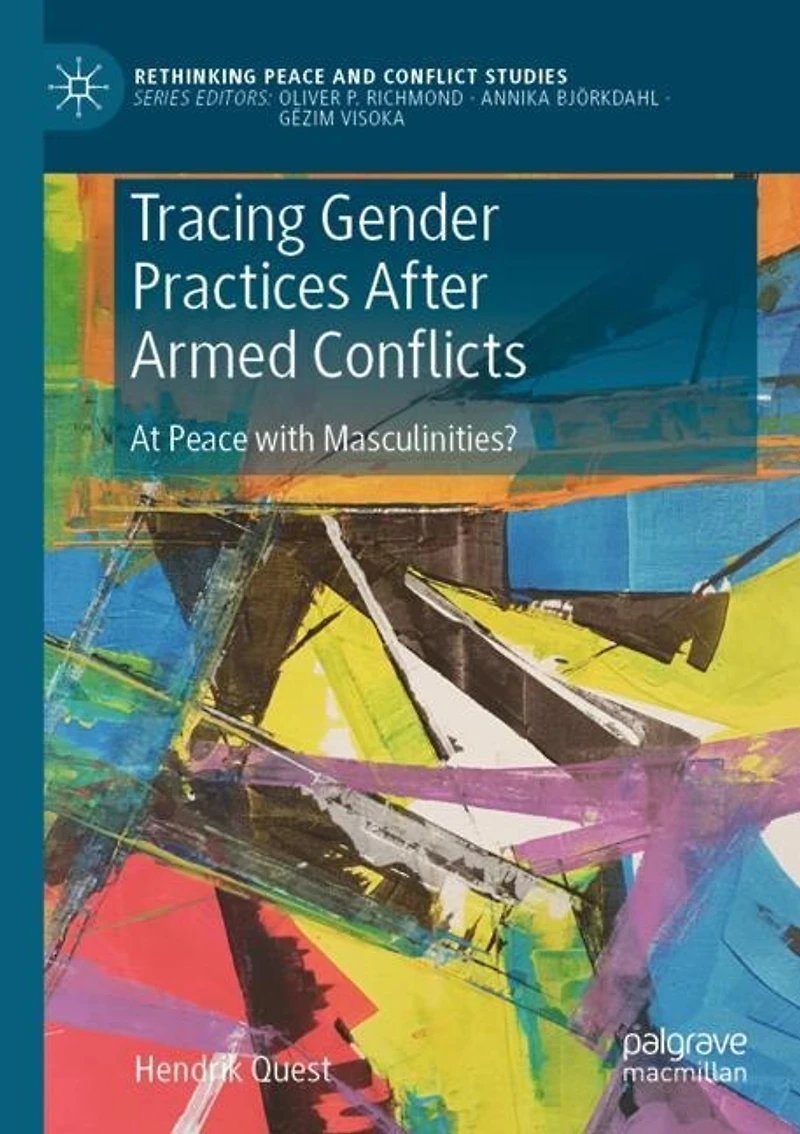
Tracing Gender Practices After Armed Conflicts: At Peace with Masculinities? in Grande Prairie, AB
Current price: $248.50
Coles
Tracing Gender Practices After Armed Conflicts: At Peace with Masculinities? in Grande Prairie, AB
Current price: $248.50
Loading Inventory...
Size: Paperback
*Product information and pricing may vary - to confirm current pricing, availability, shipping, and return information please contact Coles. In the event of a pricing discrepancy, the retailer's price will apply.
This book offers a unique perspective on changing gender practices in post-conflict societies, looking at when and how masculinities change after armed conflicts. Building on original research data from Liberia, chapters look at the pathways of change in societal discourses, security sector institutions, and at the level of formatter combatants. Scrutinising the potential of peacebuilding for making conflict-related masculinities change after armed conflicts, the book develops a theoretical model that helps to understand both how violence-centred masculinities change after armed conflicts, and why profound changes of violent gender practices occur only rarely. What this book hopes to show is that masculinities can and do change after armed conflicts. Illuminating the intricate interrelationship between gendered practices within societal discourses, security sector institutions, and at the individual level in post-conflict societies, this book constitutes an invitation to rethinking ourunderstanding of peacebuilding practices and their interconnectedness with gender, violence, and peace.
This book offers a unique perspective on changing gender practices in post-conflict societies, looking at when and how masculinities change after armed conflicts. Building on original research data from Liberia, chapters look at the pathways of change in societal discourses, security sector institutions, and at the level of formatter combatants. Scrutinising the potential of peacebuilding for making conflict-related masculinities change after armed conflicts, the book develops a theoretical model that helps to understand both how violence-centred masculinities change after armed conflicts, and why profound changes of violent gender practices occur only rarely. What this book hopes to show is that masculinities can and do change after armed conflicts. Illuminating the intricate interrelationship between gendered practices within societal discourses, security sector institutions, and at the individual level in post-conflict societies, this book constitutes an invitation to rethinking ourunderstanding of peacebuilding practices and their interconnectedness with gender, violence, and peace.
You May Also Like









Find at Prairie Mall in Grande Prairie, AB
Visit at Prairie Mall in Grande Prairie, AB