


Gifting Made Simple
Give the Gift of ChoiceClick below to purchase a Prairie Mall eGift Card that can be used at participating retailers at Prairie Mall.Buy Gift CardHome
Totalitarian Art: In the Soviet Union, The Third Reich, Fascist Italy, and the People's Republic of China
Coles
Loading Inventory...
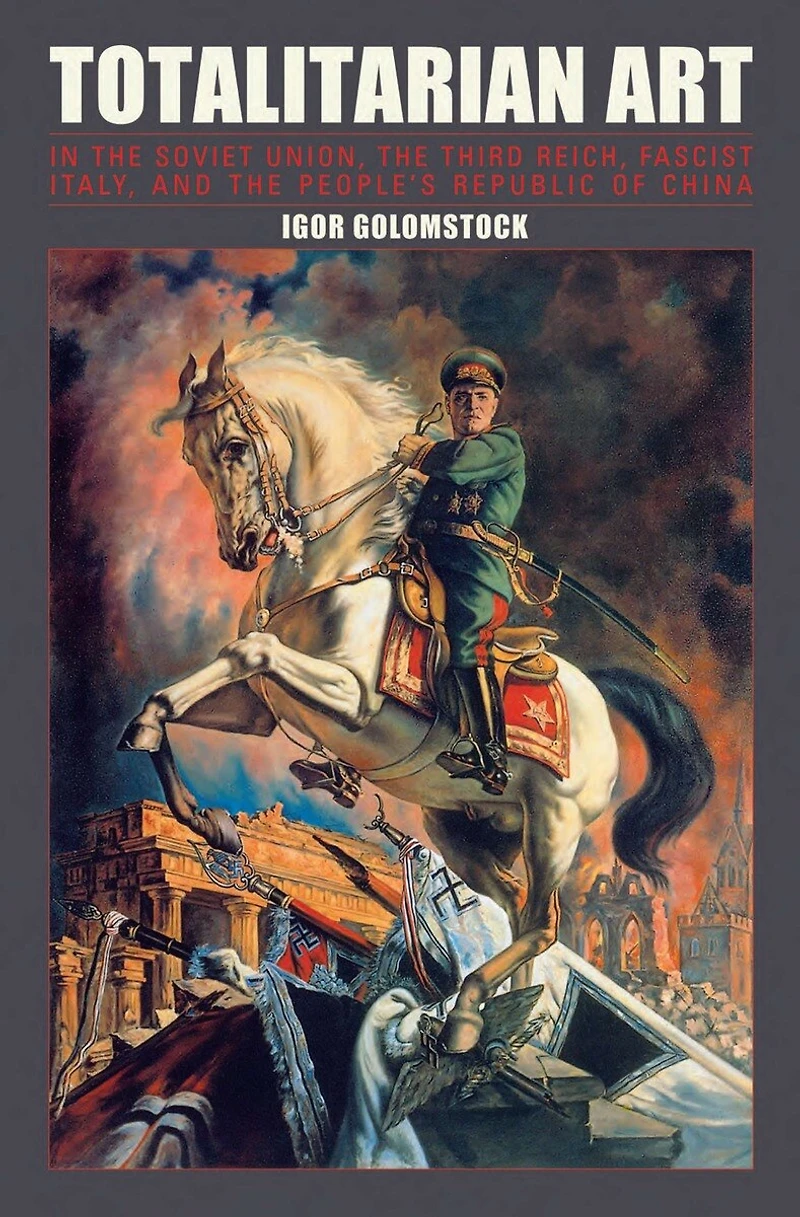
Totalitarian Art: In the Soviet Union, The Third Reich, Fascist Italy, and the People's Republic of China in Grande Prairie, AB
Current price: $38.00
Coles
Totalitarian Art: In the Soviet Union, The Third Reich, Fascist Italy, and the People's Republic of China in Grande Prairie, AB
Current price: $38.00
Loading Inventory...
Size: Paperback
*Product information and pricing may vary - to confirm current pricing, availability, shipping, and return information please contact Coles. In the event of a pricing discrepancy, the retailer's price will apply.
In Totalitarian Art , artist and university professor Igor Golomstock presents a history of the images and themes used by authoritarian governments and nations.
In the Soviet Union, and later in Maoist China, theories of mass artistic appeal were used to promote the Revolution both at home and abroad. In Nazi Germany and Fascist Italy they asserted the putative grandeur of the epoch. All too often, art that served the Revolution became “total realism,” and always it became a slave to the state and the cult of personality, and ultimately one more weapon in the arsenal of oppression.
Igor Golomstock gives a detailed appraisal of the forms that define totalitarian art and illustrates his text with more than 200 examples of its paintings, posters, sculpture, and architecture, and includes a powerful comparative visual essay which demonstrates the eerie similarity of the official art of these very different regimes.
In Totalitarian Art , artist and university professor Igor Golomstock presents a history of the images and themes used by authoritarian governments and nations.
In the Soviet Union, and later in Maoist China, theories of mass artistic appeal were used to promote the Revolution both at home and abroad. In Nazi Germany and Fascist Italy they asserted the putative grandeur of the epoch. All too often, art that served the Revolution became “total realism,” and always it became a slave to the state and the cult of personality, and ultimately one more weapon in the arsenal of oppression.
Igor Golomstock gives a detailed appraisal of the forms that define totalitarian art and illustrates his text with more than 200 examples of its paintings, posters, sculpture, and architecture, and includes a powerful comparative visual essay which demonstrates the eerie similarity of the official art of these very different regimes.
You May Also Like








Find at Prairie Mall in Grande Prairie, AB
Visit at Prairie Mall in Grande Prairie, AB