


Gifting Made Simple
Give the Gift of ChoiceClick below to purchase a Prairie Mall eGift Card that can be used at participating retailers at Prairie Mall.Buy Gift CardHome
Thoreau's Journal Drawings: the Power of Visual
Coles
Loading Inventory...
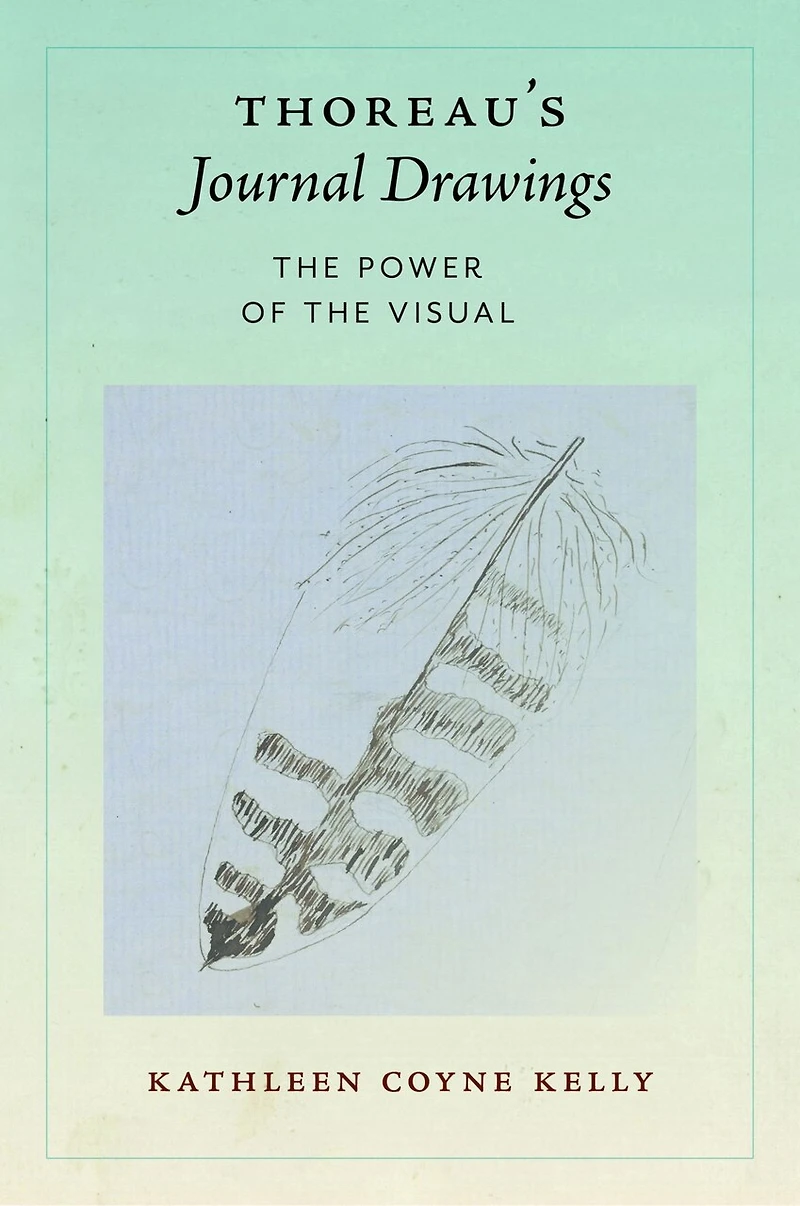
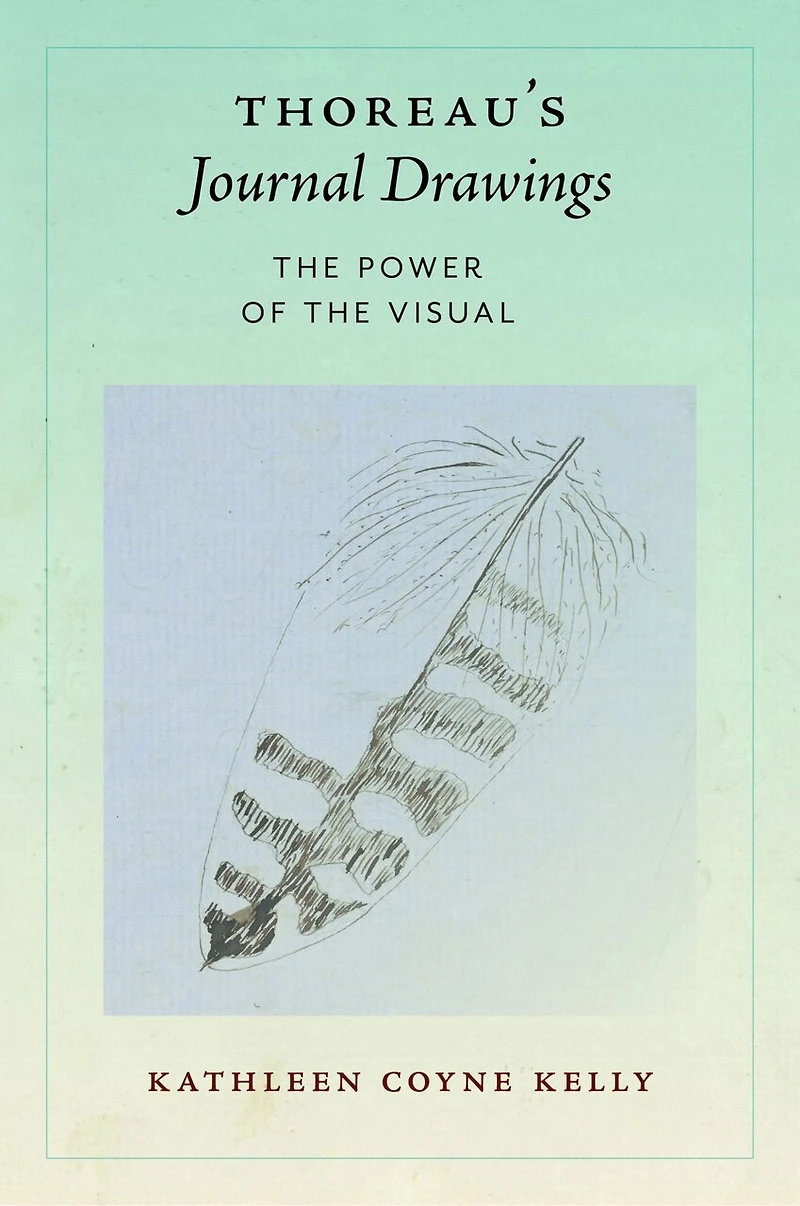
Thoreau's Journal Drawings: the Power of Visual in Grande Prairie, AB
Current price: $124.00
Coles
Thoreau's Journal Drawings: the Power of Visual in Grande Prairie, AB
Current price: $124.00
Loading Inventory...
Size: Hardcover
*Product information and pricing may vary - to confirm current pricing, availability, shipping, and return information please contact Coles. In the event of a pricing discrepancy, the retailer's price will apply.
Examining journal drawings as an integral-and often delightful-feature of Thoreau's work
In 1850, Henry David Thoreau began to draw in his Journal-a hedgehog's quill, a locust's wing, a goldenrod leaf. The sketches reflect his efforts to train his eye to observe more carefully, to look closely enough that he could see what was in front of him-with intention and attention. As Thoreau worked to combine the vivid language of a writer with the precision of a scientist, his drawings became more vital to the process. For him, writing and drawing were not separate activities; they were part of the same active, hands-on process of learning about the natural world.
Thoreau's Journal Drawings offers a sustained examination of an understudied aspect of the Journal, emphasizing visual as well as textual analysis. It places Thoreau's illustrated entries in the broader context of nineteenth-century scientific illustration, nature writing, and visual culture, while also offering close readings of key passages in which text and image work in tandem. The book opens up new possibilities for interpretation-both within the Journal and in the larger project of Thoreau's thinking.
Ultimately, Thoreau's illustrated Journal offers a case study in the complexities of representing the natural world through both language and image. His practice raises enduring questions about how we document, interpret, and mediate the more-than-human world across different forms of expression. To read the later volumes of Henry David Thoreau's Journal without attending to his drawings is to overlook a vital dimension of his practice as both writer and observer.
Examining journal drawings as an integral-and often delightful-feature of Thoreau's work
In 1850, Henry David Thoreau began to draw in his Journal-a hedgehog's quill, a locust's wing, a goldenrod leaf. The sketches reflect his efforts to train his eye to observe more carefully, to look closely enough that he could see what was in front of him-with intention and attention. As Thoreau worked to combine the vivid language of a writer with the precision of a scientist, his drawings became more vital to the process. For him, writing and drawing were not separate activities; they were part of the same active, hands-on process of learning about the natural world.
Thoreau's Journal Drawings offers a sustained examination of an understudied aspect of the Journal, emphasizing visual as well as textual analysis. It places Thoreau's illustrated entries in the broader context of nineteenth-century scientific illustration, nature writing, and visual culture, while also offering close readings of key passages in which text and image work in tandem. The book opens up new possibilities for interpretation-both within the Journal and in the larger project of Thoreau's thinking.
Ultimately, Thoreau's illustrated Journal offers a case study in the complexities of representing the natural world through both language and image. His practice raises enduring questions about how we document, interpret, and mediate the more-than-human world across different forms of expression. To read the later volumes of Henry David Thoreau's Journal without attending to his drawings is to overlook a vital dimension of his practice as both writer and observer.
You May Also Like











Find at Prairie Mall in Grande Prairie, AB
Visit at Prairie Mall in Grande Prairie, AB