


Gifting Made Simple
Give the Gift of ChoiceClick below to purchase a Prairie Mall eGift Card that can be used at participating retailers at Prairie Mall.Buy Gift CardHome
Thomas Kuhn's Philosophical Perspective: Communities, Languages, and Practices
Coles
Loading Inventory...
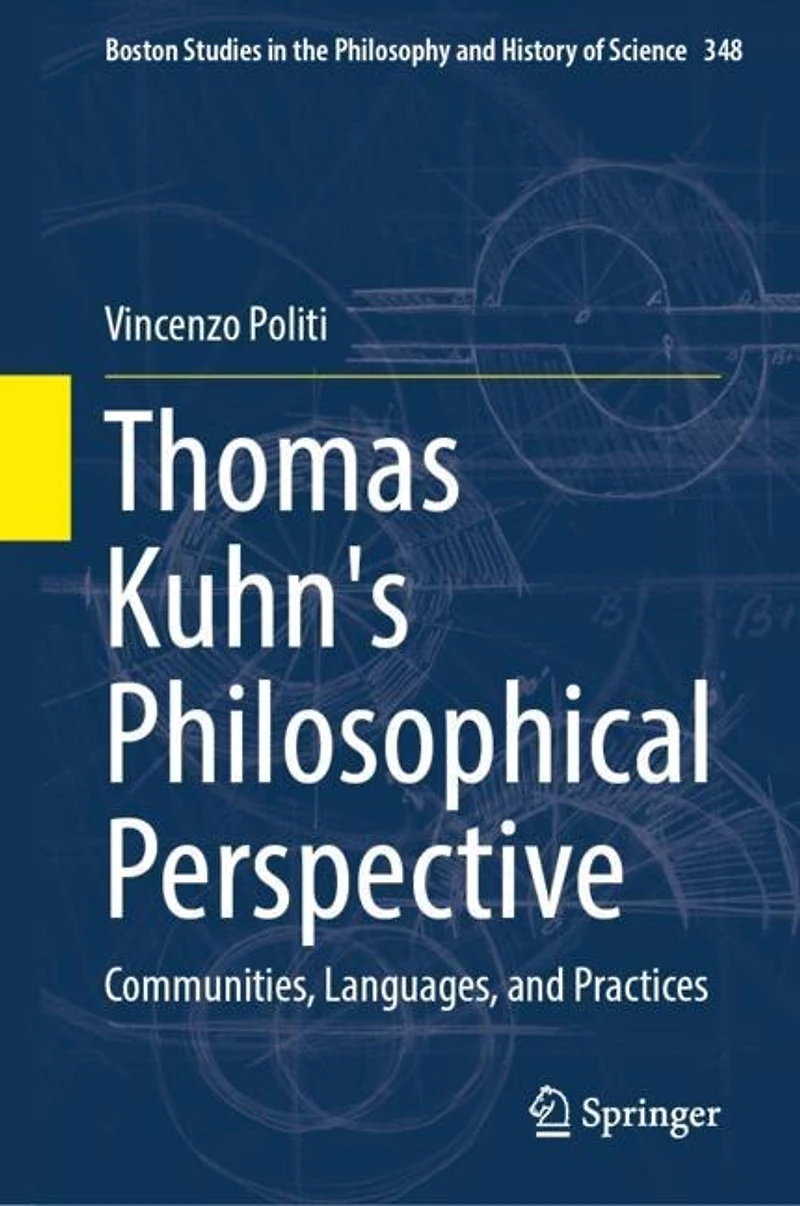

Thomas Kuhn's Philosophical Perspective: Communities, Languages, and Practices in Grande Prairie, AB
Current price: $233.95
Coles
Thomas Kuhn's Philosophical Perspective: Communities, Languages, and Practices in Grande Prairie, AB
Current price: $233.95
Loading Inventory...
Size: Hardcover
*Product information and pricing may vary - to confirm current pricing, availability, shipping, and return information please contact Coles. In the event of a pricing discrepancy, the retailer's price will apply.
This book examines the philosophical perspective of Thomas Kuhn, developed through dialectical opposition to the traditional static view of science. Kuhn&s dynamic perspective led him to turn to the history of science, formulate a history-based model of scientific progress, and adopt a collectivist, community-oriented, and practice-based conception of scientific rationality. The book reconstructs Kuhn&s philosophy by drawing on both his pre- and post- Structure writings, while also comparing his ideas with those of other major thinkers such as Rudolf Carnap and W.V.O. Quine. It further addresses meta-philosophical issues concerning the study of collective scientific practice and the relationship between the philosophy of science and qualitative, social, or ethnographic approaches to scientific communities. Not only does the author reassess Kuhn&s philosophical framework, but he also extends it to contemporary issues such as scientific specialization, interdisciplinarity, and the role of values in science-making this volume valuable both for Kuhn scholars and for readers new to his work.
This book examines the philosophical perspective of Thomas Kuhn, developed through dialectical opposition to the traditional static view of science. Kuhn&s dynamic perspective led him to turn to the history of science, formulate a history-based model of scientific progress, and adopt a collectivist, community-oriented, and practice-based conception of scientific rationality. The book reconstructs Kuhn&s philosophy by drawing on both his pre- and post- Structure writings, while also comparing his ideas with those of other major thinkers such as Rudolf Carnap and W.V.O. Quine. It further addresses meta-philosophical issues concerning the study of collective scientific practice and the relationship between the philosophy of science and qualitative, social, or ethnographic approaches to scientific communities. Not only does the author reassess Kuhn&s philosophical framework, but he also extends it to contemporary issues such as scientific specialization, interdisciplinarity, and the role of values in science-making this volume valuable both for Kuhn scholars and for readers new to his work.
You May Also Like


















Find at Prairie Mall in Grande Prairie, AB
Visit at Prairie Mall in Grande Prairie, AB