


Gifting Made Simple
Give the Gift of ChoiceClick below to purchase a Prairie Mall eGift Card that can be used at participating retailers at Prairie Mall.Buy Gift CardHome
This Is My Flesh: John's Eucharist and the Dionysus Cult
Coles
Loading Inventory...
This Is My Flesh: John's Eucharist and the Dionysus Cult
By None
Current price: $56.00
Coles
This Is My Flesh: John's Eucharist and the Dionysus Cult
By None
Current price: $56.00
Loading Inventory...
Size: Hardcover
*Product information and pricing may vary - to confirm current pricing, availability, shipping, and return information please contact Coles. In the event of a pricing discrepancy, the retailer's price will apply.
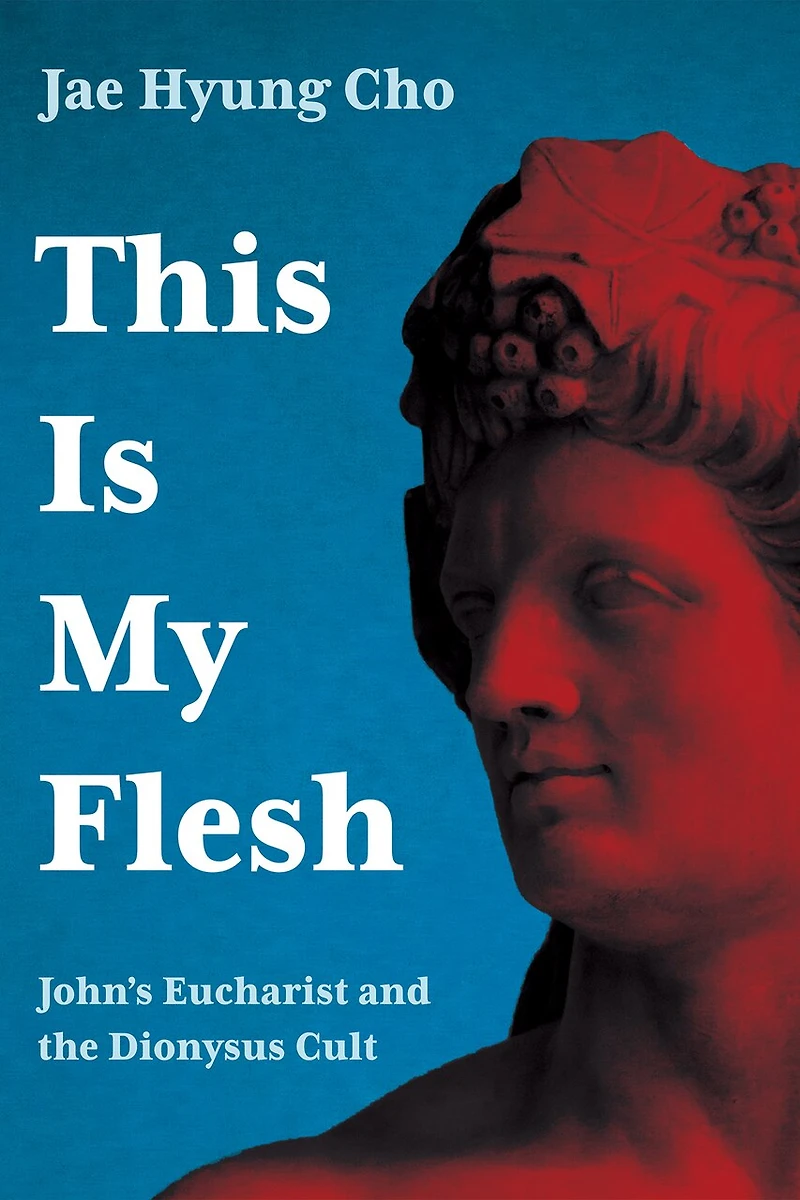
In John 6:51-59, John describes the Eucharist of Jesus by modeling Dionysus. In particular, John 6:53, "unless you eat the flesh of the Son of Man and drink his blood, you have no life in you" is one of the most difficult verses found anywhere in the Bible. To explain this, a new approach is needed when one consistently contemplates why John uses flesh (σάρξ) instead of body (σῶμα), and "This is my flesh", instead of "This is my body." The Dionysiac ritual of eating and tearing raw flesh shows cannibalistic elements. Unlike other negative descriptions of cannibalism in ancient literature, Dionysus is described as both an eater and a giver of raw flesh. By reevaluating the negative term of cannibalism, John positively applies this Dionysiac cannibalism to the Eucharistic words in 6:51-59. Because emphatically and slightly ironically, scholars' arguments show that John 6 is still a "hard teaching" of Jesus, Jesus' hard saying (6:60) is a consequence of this cannibalistic language and the ambiguous features of Dionysus.
In John 6:51-59, John describes the Eucharist of Jesus by modeling Dionysus. In particular, John 6:53, "unless you eat the flesh of the Son of Man and drink his blood, you have no life in you" is one of the most difficult verses found anywhere in the Bible. To explain this, a new approach is needed when one consistently contemplates why John uses flesh (σάρξ) instead of body (σῶμα), and "This is my flesh", instead of "This is my body." The Dionysiac ritual of eating and tearing raw flesh shows cannibalistic elements. Unlike other negative descriptions of cannibalism in ancient literature, Dionysus is described as both an eater and a giver of raw flesh. By reevaluating the negative term of cannibalism, John positively applies this Dionysiac cannibalism to the Eucharistic words in 6:51-59. Because emphatically and slightly ironically, scholars' arguments show that John 6 is still a "hard teaching" of Jesus, Jesus' hard saying (6:60) is a consequence of this cannibalistic language and the ambiguous features of Dionysus.
You May Also Like









More About Coles at Prairie Mall
11801 100 St #104, Grande Prairie, AB T8V 3Y2, Canada
Find Coles at Prairie Mall in Grande Prairie, AB
Visit Coles at Prairie Mall in Grande Prairie, AB