


Gifting Made Simple
Give the Gift of ChoiceClick below to purchase a Prairie Mall eGift Card that can be used at participating retailers at Prairie Mall.Buy Gift CardHome
Theology, Empowerment, and Prison Ministry: Karl Rahner and the Contemporary Exploration for Meaning
Coles
Loading Inventory...
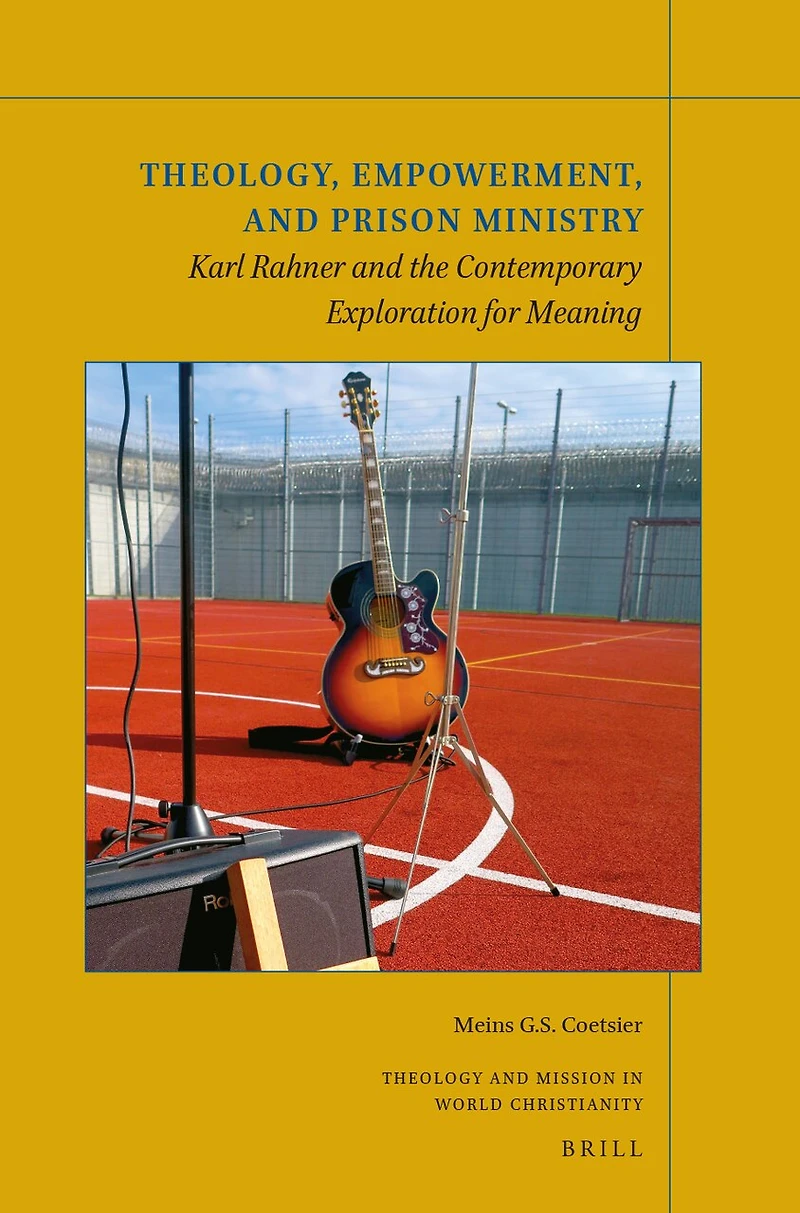
Theology, Empowerment, and Prison Ministry: Karl Rahner and the Contemporary Exploration for Meaning
By None
Current price: $103.99
Coles
Theology, Empowerment, and Prison Ministry: Karl Rahner and the Contemporary Exploration for Meaning
By None
Current price: $103.99
Loading Inventory...
Size: Paperback
*Product information and pricing may vary - to confirm current pricing, availability, shipping, and return information please contact Coles. In the event of a pricing discrepancy, the retailer's price will apply.
In Theology, Empowerment, and Prison Ministry Meins G.S. Coetsier offers a new scholarly account of Karl Rahner’s theological anthropology and the prison pastorate with a contemporary expansion for meaning, seeking an antidote to the suffering and isolation of those incarcerated with a “theology of empowerment.” Drawing on prison ministry theorists and practitioners, and on the experiences of Viktor Frankl, Aleksandr Solzhenitsyn and Etty Hillesum, the book argues that Rahner’s views on prison ministry are significant and encouraging but limited regarding the needs and demands of 21st-century prison ministry. In a convincing, perceptive, and groundbreaking study, Coetsier goes beyond Rahner with ecumenical and interreligious perspectives, reminding us all of our human dignity, of meaning and transformation, of our liberation, creativity, hope and community.
In Theology, Empowerment, and Prison Ministry Meins G.S. Coetsier offers a new scholarly account of Karl Rahner’s theological anthropology and the prison pastorate with a contemporary expansion for meaning, seeking an antidote to the suffering and isolation of those incarcerated with a “theology of empowerment.” Drawing on prison ministry theorists and practitioners, and on the experiences of Viktor Frankl, Aleksandr Solzhenitsyn and Etty Hillesum, the book argues that Rahner’s views on prison ministry are significant and encouraging but limited regarding the needs and demands of 21st-century prison ministry. In a convincing, perceptive, and groundbreaking study, Coetsier goes beyond Rahner with ecumenical and interreligious perspectives, reminding us all of our human dignity, of meaning and transformation, of our liberation, creativity, hope and community.
You May Also Like











More About Coles at Prairie Mall
11801 100 St #104, Grande Prairie, AB T8V 3Y2, Canada
Find Coles at Prairie Mall in Grande Prairie, AB
Visit Coles at Prairie Mall in Grande Prairie, AB