


Gifting Made Simple
Give the Gift of ChoiceClick below to purchase a Prairie Mall eGift Card that can be used at participating retailers at Prairie Mall.Buy Gift CardHome
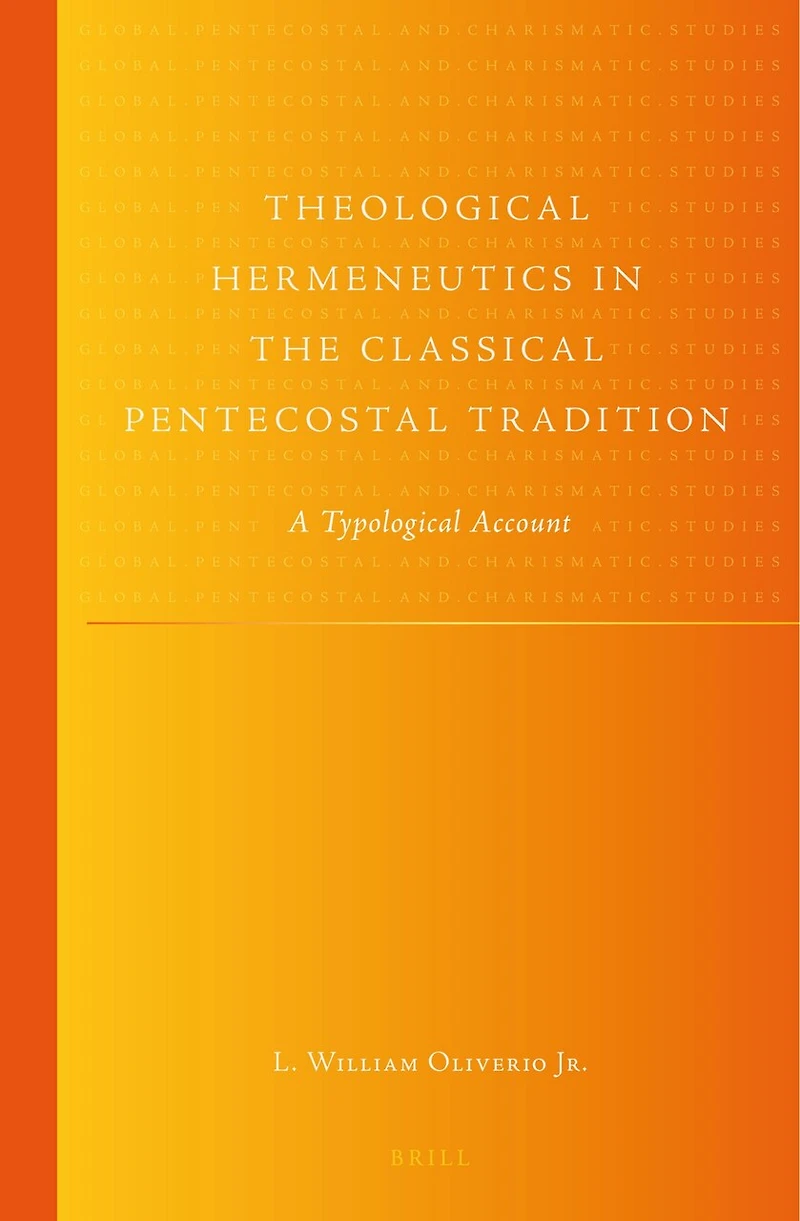
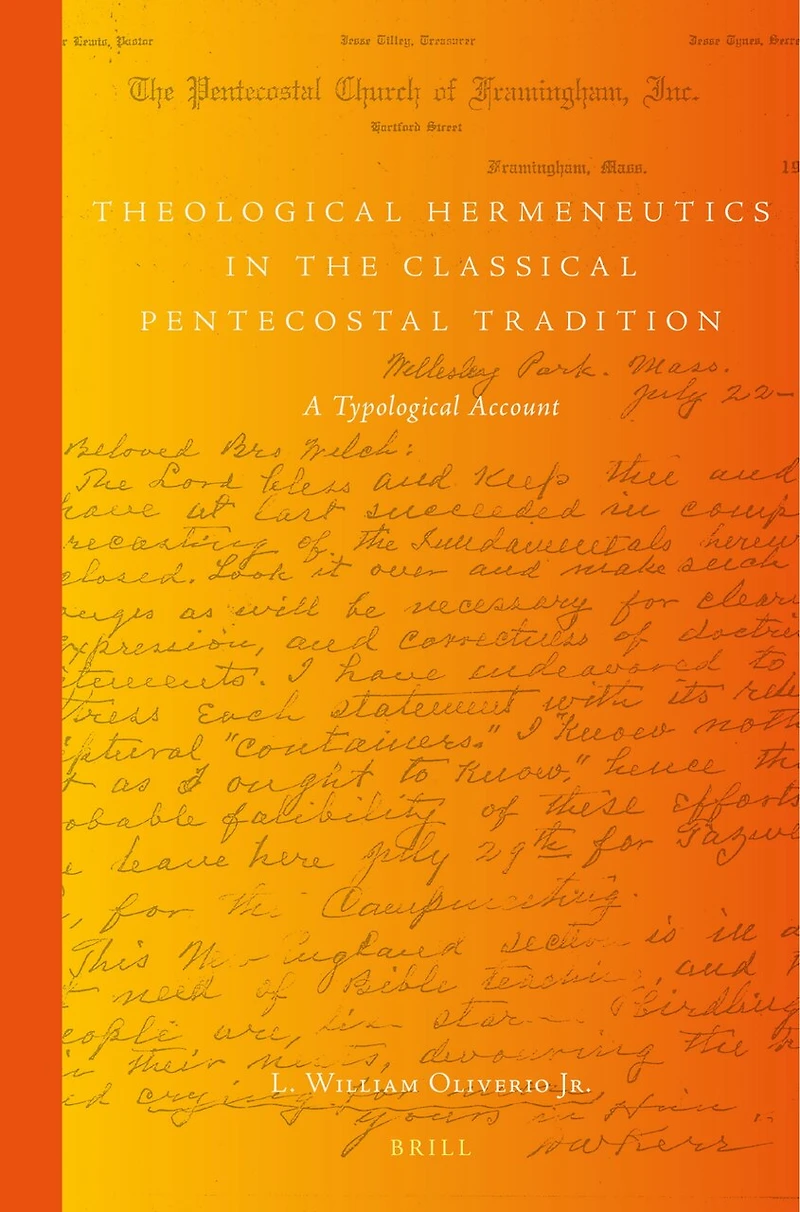
Theological Hermeneutics the Classical Pentecostal Tradition: A Typological Account
Coles
Loading Inventory...
Theological Hermeneutics the Classical Pentecostal Tradition: A Typological Account in Grande Prairie, AB
Current price: $359.99
Coles
Theological Hermeneutics the Classical Pentecostal Tradition: A Typological Account in Grande Prairie, AB
Current price: $359.99
Loading Inventory...
Size: Hardcover
*Product information and pricing may vary - to confirm current pricing, availability, shipping, and return information please contact Coles. In the event of a pricing discrepancy, the retailer's price will apply.
In Theological Hermeneutics in the Classical Pentecostal Tradition: A Typological Account , L. William Oliverio Jr. accounts for the development of Classical Pentecostal theology, as theological hermeneutics, through four types: the original Classical Pentecostal hermeneutic, the Evangelical-Pentecostal hermeneutic, the contextual-Pentecostal hermeneutic, and the ecumenical-Pentecostal hermeneutic. Oliverio gives special attention to key figures in shaping Pentecostal theology and the underlying philosophical assumptions which informed their theological interpretations of reality. The text concludes with a philosophical basis for future Pentecostal theological hermeneutics within the contours of a hermeneutical realism that affirms both the hermeneutical nature of all theology and the implicit affirmation of realism within theological accounts.
In Theological Hermeneutics in the Classical Pentecostal Tradition: A Typological Account , L. William Oliverio Jr. accounts for the development of Classical Pentecostal theology, as theological hermeneutics, through four types: the original Classical Pentecostal hermeneutic, the Evangelical-Pentecostal hermeneutic, the contextual-Pentecostal hermeneutic, and the ecumenical-Pentecostal hermeneutic. Oliverio gives special attention to key figures in shaping Pentecostal theology and the underlying philosophical assumptions which informed their theological interpretations of reality. The text concludes with a philosophical basis for future Pentecostal theological hermeneutics within the contours of a hermeneutical realism that affirms both the hermeneutical nature of all theology and the implicit affirmation of realism within theological accounts.
You May Also Like










Find at Prairie Mall in Grande Prairie, AB
Visit at Prairie Mall in Grande Prairie, AB