


Gifting Made Simple
Give the Gift of ChoiceClick below to purchase a Prairie Mall eGift Card that can be used at participating retailers at Prairie Mall.Buy Gift CardHome
The Worlding of the South African Novel: Spaces of Transition
Coles
Loading Inventory...
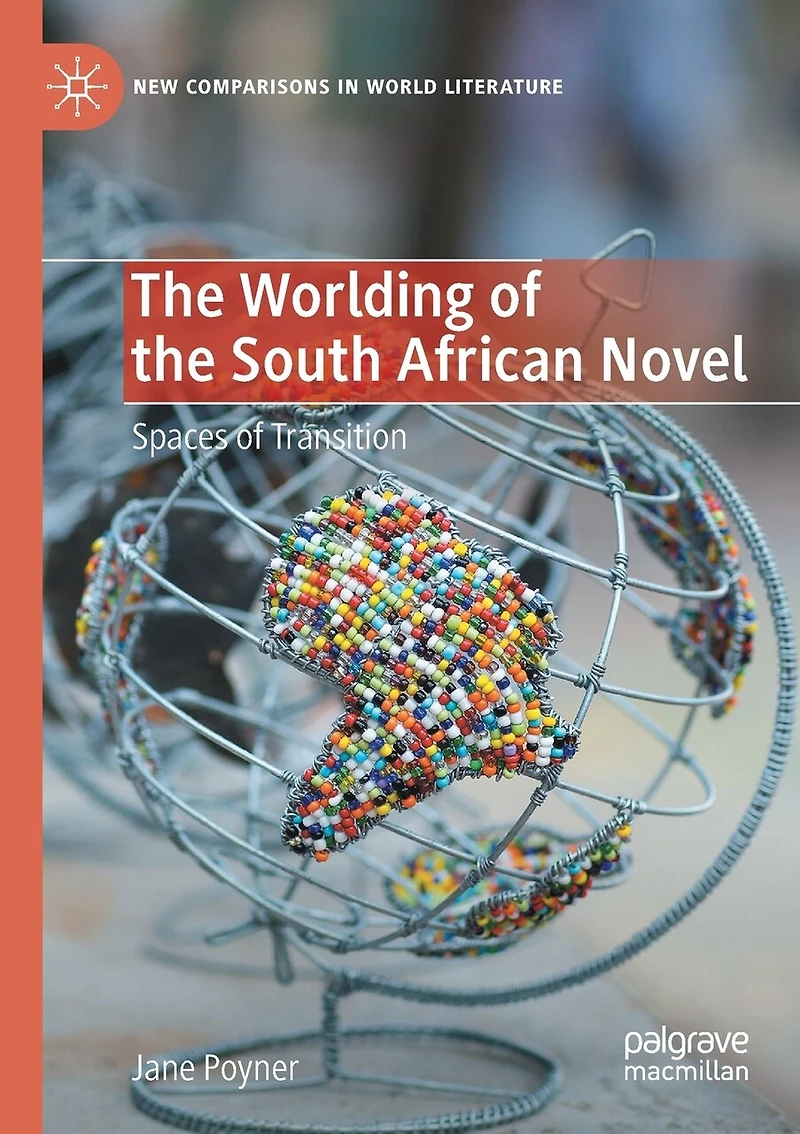
The Worlding of the South African Novel: Spaces of Transition in Grande Prairie, AB
Current price: $80.50
Coles
The Worlding of the South African Novel: Spaces of Transition in Grande Prairie, AB
Current price: $80.50
Loading Inventory...
Size: Paperback
*Product information and pricing may vary - to confirm current pricing, availability, shipping, and return information please contact Coles. In the event of a pricing discrepancy, the retailer's price will apply.
The Worlding of the South African Novel develops from something of a paradox: that despite momentous political transition from apartheid to democracy, little in South Africa's socio-economic reality has actually changed. Poyner discusses how the contemporary South African novel engages with this reality. In forms of literary experiment, the novels open up intellectual spaces shaping or contesting the idea of the "new South Africa". The mediatising of truth at the TRC hearings, how best to deal with a spectacular yet covert past, the shaping for "unimagined communities" of an inclusive public sphere, HIV/AIDS as the preeminent site testing capitalist modernity, white anxieties about land reform, disease as environmental injustice and the fostering of an enabling restorative cultural memory: Poyner argues that through these key nodes of intellectual thought, the novels speak to recent debates on world-literature to register the "shock" of an uneven modernity produced by a capitalist world economy.
The Worlding of the South African Novel develops from something of a paradox: that despite momentous political transition from apartheid to democracy, little in South Africa's socio-economic reality has actually changed. Poyner discusses how the contemporary South African novel engages with this reality. In forms of literary experiment, the novels open up intellectual spaces shaping or contesting the idea of the "new South Africa". The mediatising of truth at the TRC hearings, how best to deal with a spectacular yet covert past, the shaping for "unimagined communities" of an inclusive public sphere, HIV/AIDS as the preeminent site testing capitalist modernity, white anxieties about land reform, disease as environmental injustice and the fostering of an enabling restorative cultural memory: Poyner argues that through these key nodes of intellectual thought, the novels speak to recent debates on world-literature to register the "shock" of an uneven modernity produced by a capitalist world economy.











Find at Prairie Mall in Grande Prairie, AB
Visit at Prairie Mall in Grande Prairie, AB