


Gifting Made Simple
Give the Gift of ChoiceClick below to purchase a Prairie Mall eGift Card that can be used at participating retailers at Prairie Mall.Buy Gift CardHome
The Wingtip Prophecy
Coles
Loading Inventory...
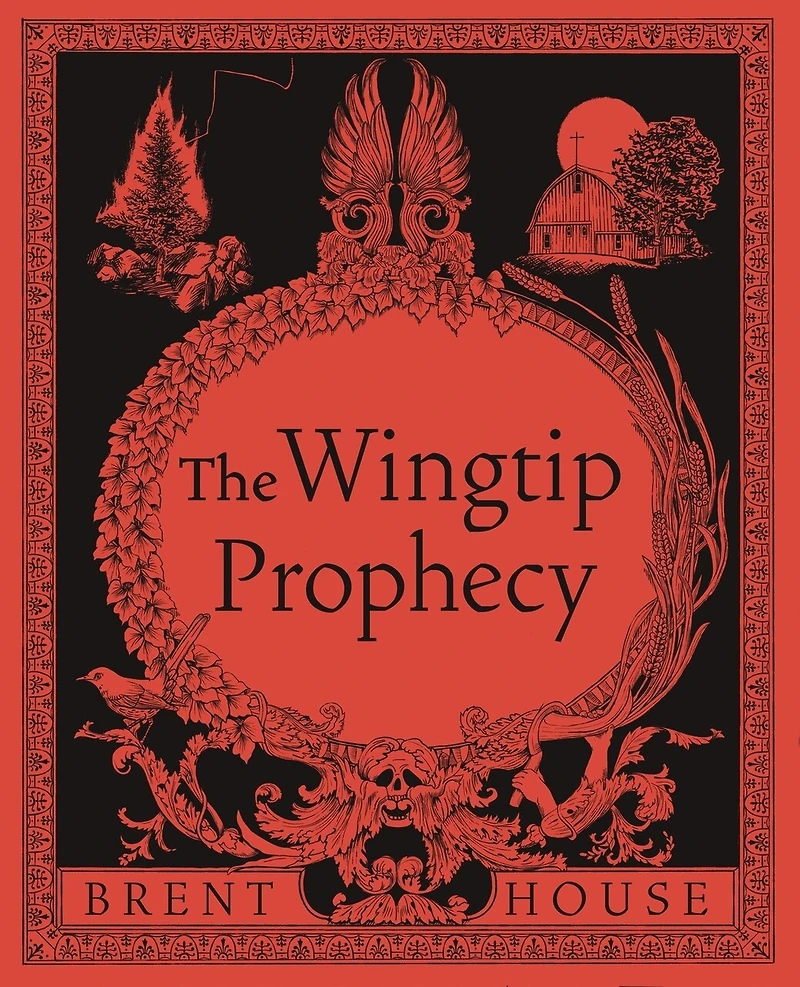
The Wingtip Prophecy in Grande Prairie, AB
Current price: $22.99
Coles
The Wingtip Prophecy in Grande Prairie, AB
Current price: $22.99
Loading Inventory...
Size: Paperback
*Product information and pricing may vary - to confirm current pricing, availability, shipping, and return information please contact Coles. In the event of a pricing discrepancy, the retailer's price will apply.
Brent House's debut poetry collection, The Wingtip Prophecy, augers through the soil of the American South, offering both prophetic and pastoral visions of the rural landscapes remaining on the margins of contemporary life. In a language both strangely familiar yet utterly new, House invites readers into his "neck of the woods," then cries loudly, "Behold." There's much for the eye to behold -and plenty for the ear to hear-in this collection, as we encounter "a jar filled with moonshine" and "the mantic threnody of the mockingbird." In a "field with the smoothness of vellum," we might hear sounds "wafting through the narrow rows of produce." In the midst of this pastoral setting, however, we're also being warned of "a jubilee of tolerant scars" and the "aleatory bloom [that will] deepen each fall to germination." Images and sounds overwhelm the author occasionally in these poems, but rather than succumb to silence, he sometimes chooses to speak in lists: lists of foods, lists of names, lists of places, and lists of words that once permeated his native culture. House's poems unearth the artifacts of rural America and bring them into new light. Like generations of poets from the American South-with James Dickey's influence especially evident-he offers a postage stamp portrait of a particular society, in a voice that claims its own particular sound.
Brent House's debut poetry collection, The Wingtip Prophecy, augers through the soil of the American South, offering both prophetic and pastoral visions of the rural landscapes remaining on the margins of contemporary life. In a language both strangely familiar yet utterly new, House invites readers into his "neck of the woods," then cries loudly, "Behold." There's much for the eye to behold -and plenty for the ear to hear-in this collection, as we encounter "a jar filled with moonshine" and "the mantic threnody of the mockingbird." In a "field with the smoothness of vellum," we might hear sounds "wafting through the narrow rows of produce." In the midst of this pastoral setting, however, we're also being warned of "a jubilee of tolerant scars" and the "aleatory bloom [that will] deepen each fall to germination." Images and sounds overwhelm the author occasionally in these poems, but rather than succumb to silence, he sometimes chooses to speak in lists: lists of foods, lists of names, lists of places, and lists of words that once permeated his native culture. House's poems unearth the artifacts of rural America and bring them into new light. Like generations of poets from the American South-with James Dickey's influence especially evident-he offers a postage stamp portrait of a particular society, in a voice that claims its own particular sound.
You May Also Like













Find at Prairie Mall in Grande Prairie, AB
Visit at Prairie Mall in Grande Prairie, AB