


Gifting Made Simple
Give the Gift of ChoiceClick below to purchase a Prairie Mall eGift Card that can be used at participating retailers at Prairie Mall.Buy Gift CardHome
the Will of People: Populism and Citizen Participation Latin America
Coles
Loading Inventory...
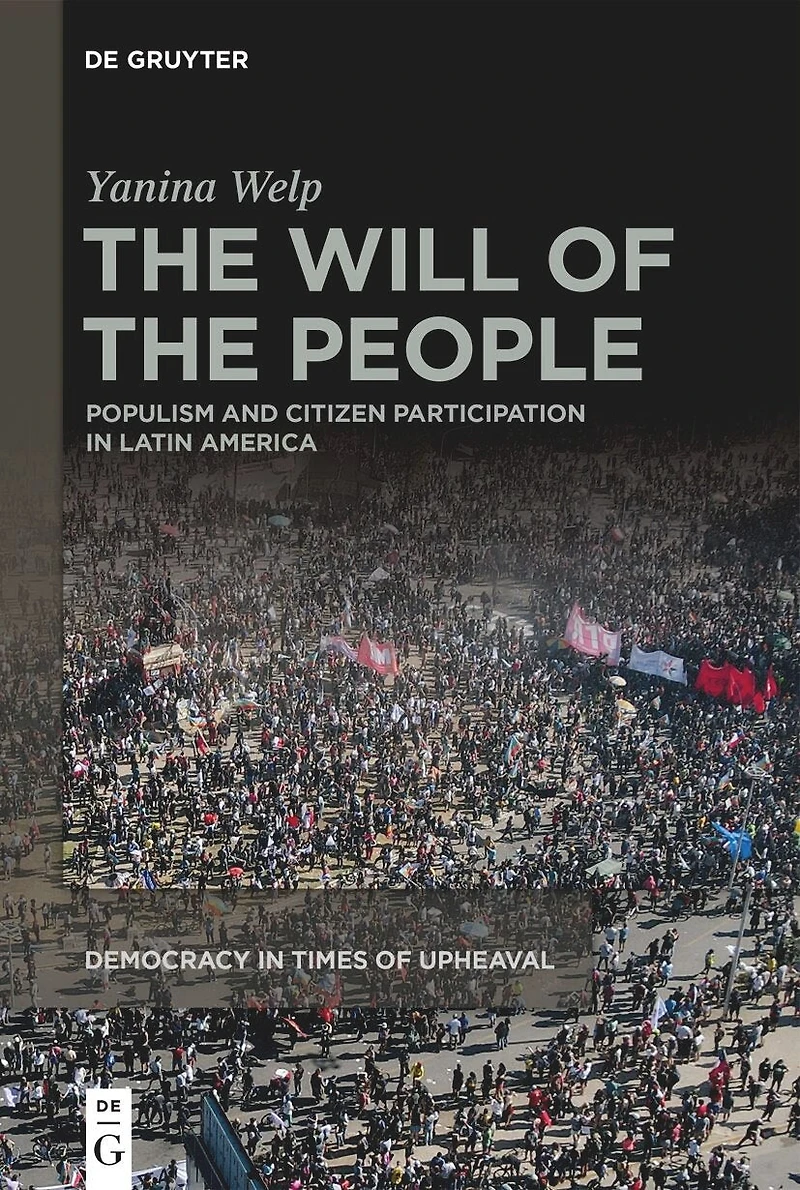
the Will of People: Populism and Citizen Participation Latin America in Grande Prairie, AB
Current price: $165.99
Coles
the Will of People: Populism and Citizen Participation Latin America in Grande Prairie, AB
Current price: $165.99
Loading Inventory...
Size: Hardcover
*Product information and pricing may vary - to confirm current pricing, availability, shipping, and return information please contact Coles. In the event of a pricing discrepancy, the retailer's price will apply.
The Will of the People: Populism and Citizen Participation in Latin America argues that while populist leaders typically claim to speak 'in the name of the people', they rarely allow the people to express their opinion independently through institutions of citizen participation. The argument is rooted in theoretical discussions and empirical analyses of trends and specific cases. The volume deals with the following questions: Why is populism so prolific in the Latin American region? How and where do populist leaders arrive to power? Is there a connection between populism and fascism as claimed by negative views of Argentinian Peronism? Are populist leaders more keen on introducing mechanisms of direct citizen participation? Are the erosions of the political party system an explanation of the emergence of populism, as seems to be the case with Fujimorism in Peru? To what extent have the governments of Hugo Chávez, Evo Morales and Rafael Correa given voice to the people through the so-called participatory democracy?
The Will of the People: Populism and Citizen Participation in Latin America argues that while populist leaders typically claim to speak 'in the name of the people', they rarely allow the people to express their opinion independently through institutions of citizen participation. The argument is rooted in theoretical discussions and empirical analyses of trends and specific cases. The volume deals with the following questions: Why is populism so prolific in the Latin American region? How and where do populist leaders arrive to power? Is there a connection between populism and fascism as claimed by negative views of Argentinian Peronism? Are populist leaders more keen on introducing mechanisms of direct citizen participation? Are the erosions of the political party system an explanation of the emergence of populism, as seems to be the case with Fujimorism in Peru? To what extent have the governments of Hugo Chávez, Evo Morales and Rafael Correa given voice to the people through the so-called participatory democracy?
You May Also Like








Find at Prairie Mall in Grande Prairie, AB
Visit at Prairie Mall in Grande Prairie, AB