


Gifting Made Simple
Give the Gift of ChoiceClick below to purchase a Prairie Mall eGift Card that can be used at participating retailers at Prairie Mall.Buy Gift CardHome
the Way Money Goes: Fiscal Constitution and Public Spending UK
Coles
Loading Inventory...
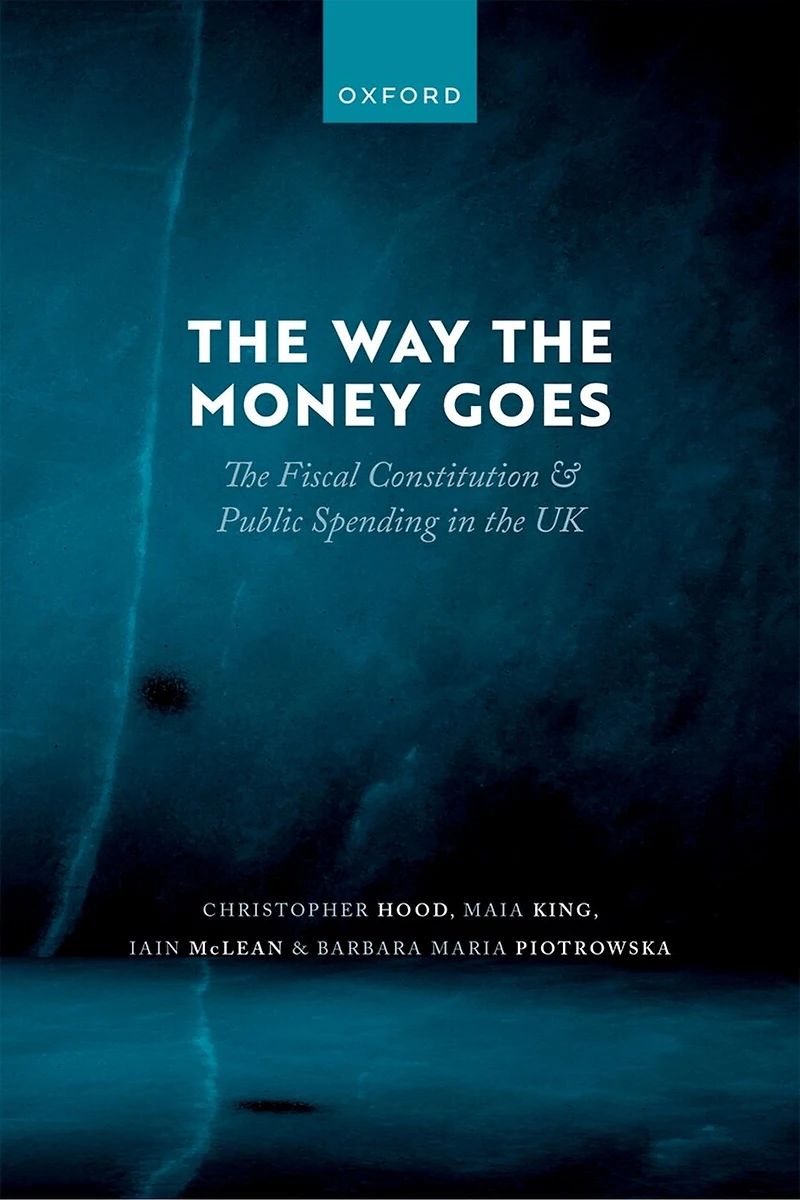
the Way Money Goes: Fiscal Constitution and Public Spending UK in Grande Prairie, AB
Current price: $200.00
Coles
the Way Money Goes: Fiscal Constitution and Public Spending UK in Grande Prairie, AB
Current price: $200.00
Loading Inventory...
Size: Hardcover
*Product information and pricing may vary - to confirm current pricing, availability, shipping, and return information please contact Coles. In the event of a pricing discrepancy, the retailer's price will apply.
The Way the Money Goes traces out what happened to the UK's fiscal constitution - the framework for planning and controlling public spending - under three different governments (Conservative, Labour, Conservative/Liberal Democrat) from the early 1990s to the mid-2010s. The book tells the story of what happened under each government and combines narrative with vignettes that range from the funding of a new Treasury building to efforts to 'crowdsource' ideas for spending cuts. It also includes chapters devoted to different domains of spending control, namely capital spending, spending by subnational governments, running cost expenditure, fiscal forecasting, and the development of new accounting metrics. This book is based on over 120 in-depth interviews of civil servants and ministers who were involved in public spending over the period, as well as documents from the same timeframe. It explores how and why, despite much talk of change and reform in everything from parliamentary procedure to bureaucratic processes, many of the underlying features of the UK's fiscal constitution persisted, including arrangements for formula-funding of the different countries within the union designed as a temporary stopgap in the transition to devolution. To put UK developments into perspective, the book includes a discussion of how the UK system was rated in reports from international bodies over the period, which suggests that in such exercises the more 'political' parts of the fiscal constitution were rated differently from the more 'technocratic' parts. Given several volcanic-type political eruptions in the UK over recent years, the book concludes by exploring some different possible scenarios for the future of its fiscal constitution in the light of those and other possible eruptions to come.
The Way the Money Goes traces out what happened to the UK's fiscal constitution - the framework for planning and controlling public spending - under three different governments (Conservative, Labour, Conservative/Liberal Democrat) from the early 1990s to the mid-2010s. The book tells the story of what happened under each government and combines narrative with vignettes that range from the funding of a new Treasury building to efforts to 'crowdsource' ideas for spending cuts. It also includes chapters devoted to different domains of spending control, namely capital spending, spending by subnational governments, running cost expenditure, fiscal forecasting, and the development of new accounting metrics. This book is based on over 120 in-depth interviews of civil servants and ministers who were involved in public spending over the period, as well as documents from the same timeframe. It explores how and why, despite much talk of change and reform in everything from parliamentary procedure to bureaucratic processes, many of the underlying features of the UK's fiscal constitution persisted, including arrangements for formula-funding of the different countries within the union designed as a temporary stopgap in the transition to devolution. To put UK developments into perspective, the book includes a discussion of how the UK system was rated in reports from international bodies over the period, which suggests that in such exercises the more 'political' parts of the fiscal constitution were rated differently from the more 'technocratic' parts. Given several volcanic-type political eruptions in the UK over recent years, the book concludes by exploring some different possible scenarios for the future of its fiscal constitution in the light of those and other possible eruptions to come.
You May Also Like









Find at Prairie Mall in Grande Prairie, AB
Visit at Prairie Mall in Grande Prairie, AB