


Gifting Made Simple
Give the Gift of ChoiceClick below to purchase a Prairie Mall eGift Card that can be used at participating retailers at Prairie Mall.Buy Gift CardHome
The Undiscovered Self: With Symbols and the Interpretation of Dreams
Coles
Loading Inventory...
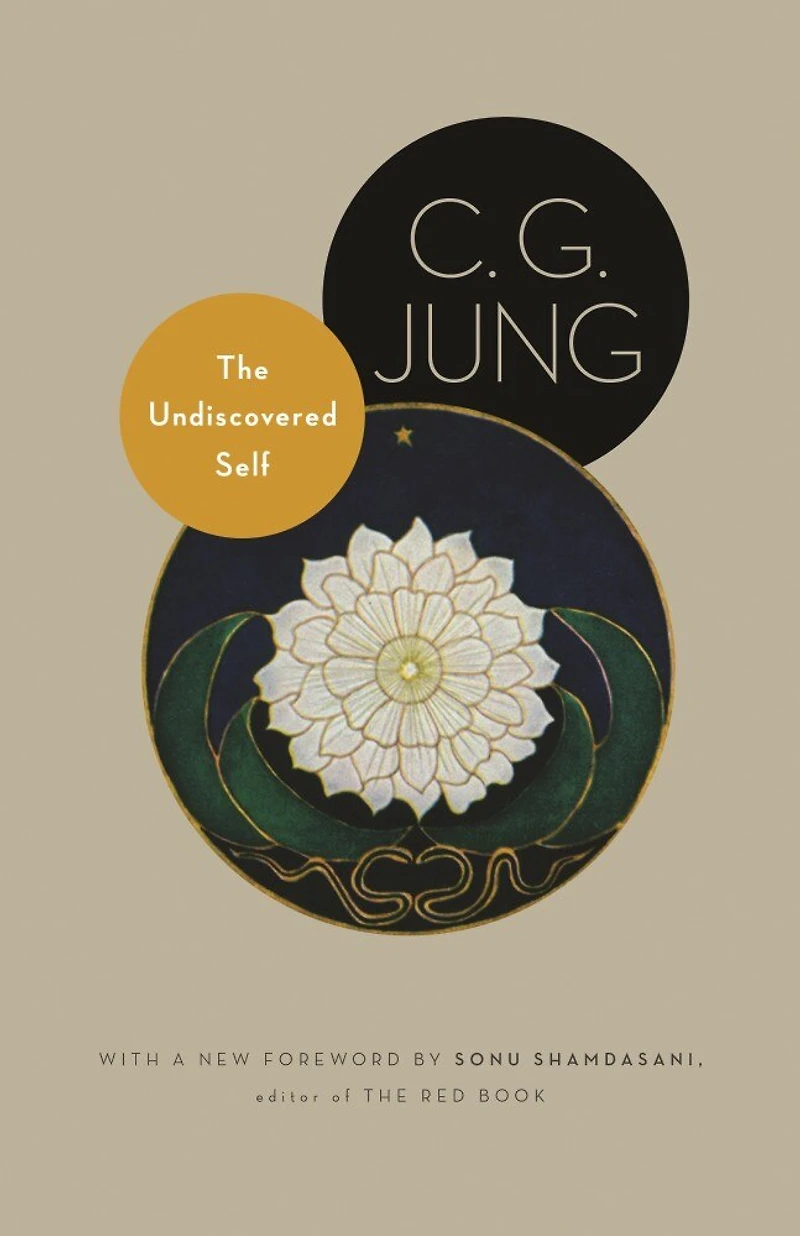
The Undiscovered Self: With Symbols and the Interpretation of Dreams in Grande Prairie, AB
Current price: $17.99
Coles
The Undiscovered Self: With Symbols and the Interpretation of Dreams in Grande Prairie, AB
Current price: $17.99
Loading Inventory...
Size: Paperback
*Product information and pricing may vary - to confirm current pricing, availability, shipping, and return information please contact Coles. In the event of a pricing discrepancy, the retailer's price will apply.
Two timeless essays by C. G. Jung on self-knowledge and the exploration of the unconscious
These essays, written late in Jung’s life, reflect his responses to the shattering experience of World War II and the dawn of mass society. Among his most influential works, “The Undiscovered Self” is a plea for his generation—and those to come—to continue the individual work of self-discovery and not abandon needed psychological reflection for the easy ephemera of mass culture. Only individual awareness of both the conscious and unconscious aspects of the human psyche, Jung tells us, will allow the great work of human culture to continue and thrive.
Jung’s reflections on self-knowledge and the exploration of the unconscious carry over into the second essay, “Symbols and the Interpretation of Dreams,” completed shortly before his death in 1961. Describing dreams as communications from the unconscious, Jung explains how the symbols that occur in dreams compensate for repressed emotions and intuitions. This essay brings together Jung’s fully evolved thoughts on the analysis of dreams and the healing of the rift between consciousness and the unconscious, ideas that are central to his system of psychology.
Two timeless essays by C. G. Jung on self-knowledge and the exploration of the unconscious
These essays, written late in Jung’s life, reflect his responses to the shattering experience of World War II and the dawn of mass society. Among his most influential works, “The Undiscovered Self” is a plea for his generation—and those to come—to continue the individual work of self-discovery and not abandon needed psychological reflection for the easy ephemera of mass culture. Only individual awareness of both the conscious and unconscious aspects of the human psyche, Jung tells us, will allow the great work of human culture to continue and thrive.
Jung’s reflections on self-knowledge and the exploration of the unconscious carry over into the second essay, “Symbols and the Interpretation of Dreams,” completed shortly before his death in 1961. Describing dreams as communications from the unconscious, Jung explains how the symbols that occur in dreams compensate for repressed emotions and intuitions. This essay brings together Jung’s fully evolved thoughts on the analysis of dreams and the healing of the rift between consciousness and the unconscious, ideas that are central to his system of psychology.










Find at Prairie Mall in Grande Prairie, AB
Visit at Prairie Mall in Grande Prairie, AB