


Gifting Made Simple
Give the Gift of ChoiceClick below to purchase a Prairie Mall eGift Card that can be used at participating retailers at Prairie Mall.Buy Gift CardHome
The Tunisian Revolution and Democratic Transition: Role of al-Nahdah
Coles
Loading Inventory...
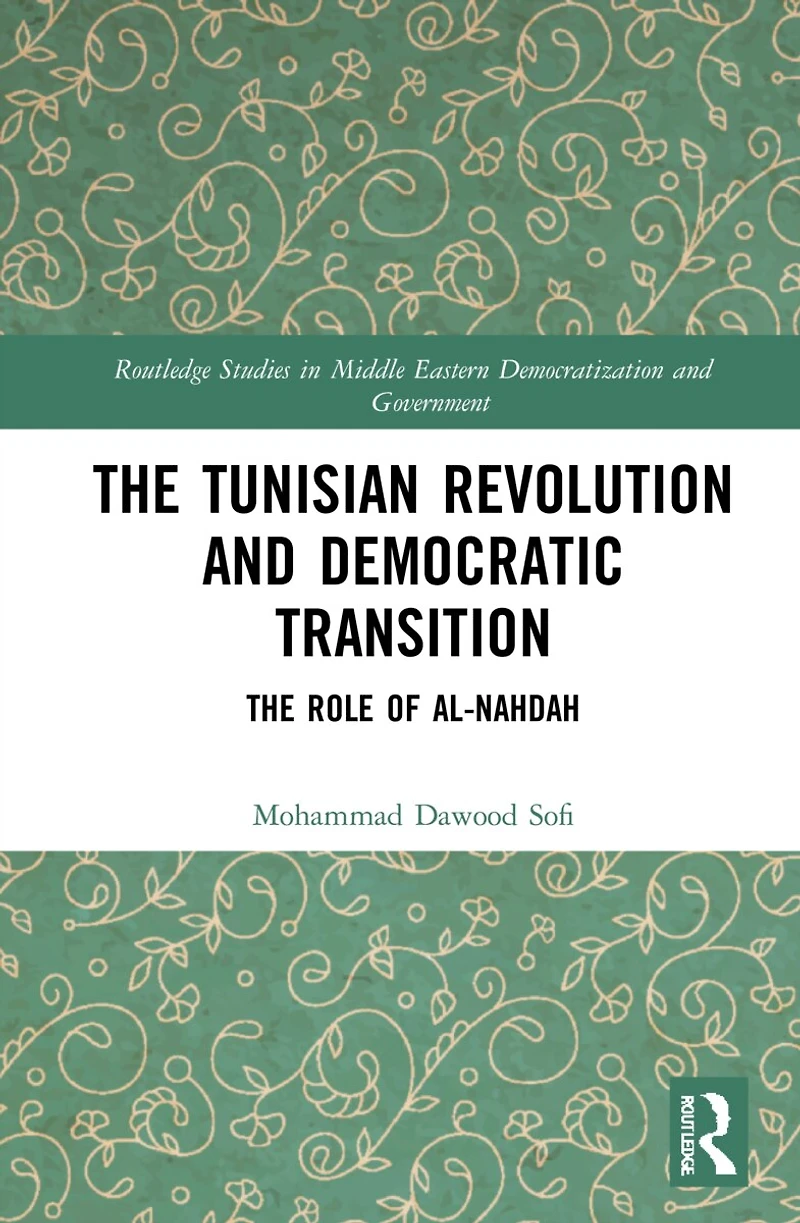
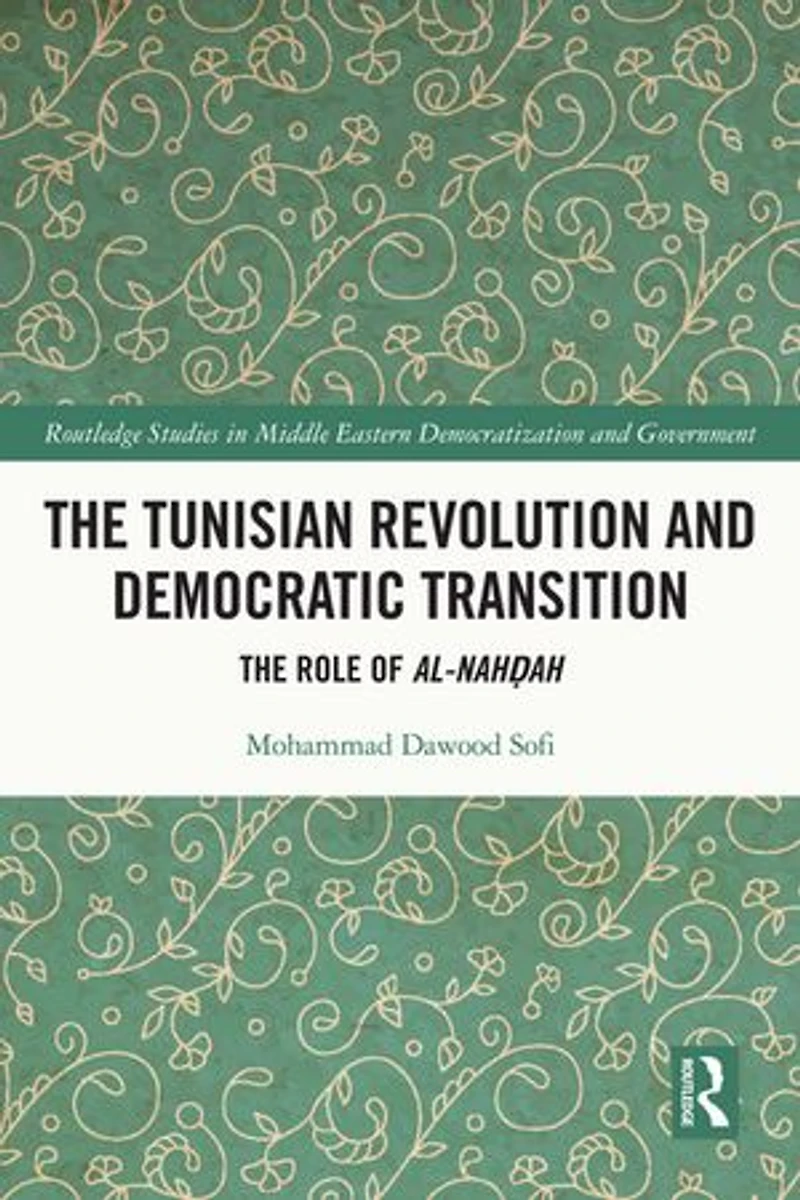
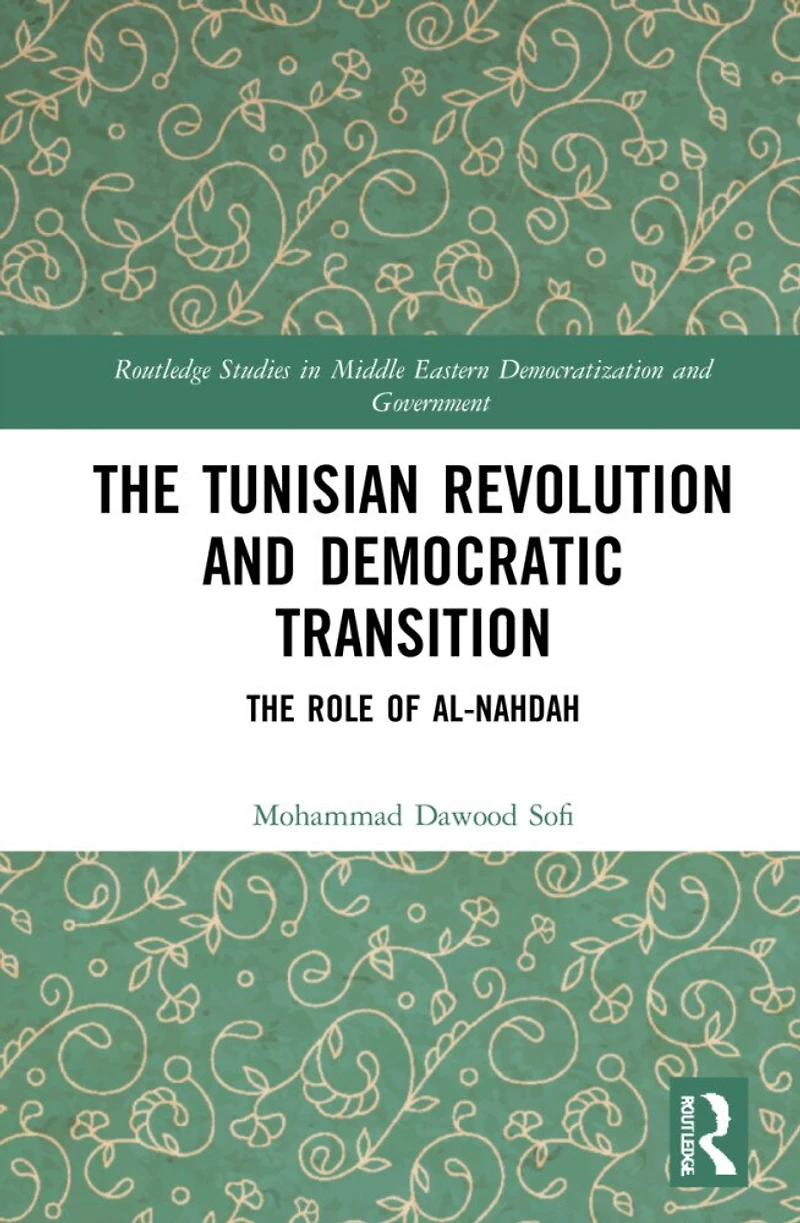
The Tunisian Revolution and Democratic Transition: Role of al-Nahdah in Grande Prairie, AB
Current price: $296.50
Coles
The Tunisian Revolution and Democratic Transition: Role of al-Nahdah in Grande Prairie, AB
Current price: $296.50
Loading Inventory...
Size: Hardcover
*Product information and pricing may vary - to confirm current pricing, availability, shipping, and return information please contact Coles. In the event of a pricing discrepancy, the retailer's price will apply.
Drawing on the history of post-independence Tunisia, the book studies the evolution of al-Nahá¸ah as a political party in Tunisia and its role in a protracted struggle to shape the post-authoritarian order along democratic lines. It explores al-Nahá¸ah 's relationship with the Tunisian state, society and beyond that resulted in shaping its fluctuating expressions of ideology and practices. State repression, political participation, or internal differentiation (among other factors) place an Islamic movement (in this case al-Nahá¸ah ) in such a situation that demands a perpetual self re-evaluation as well as implementation of ideology, objectives, and political programmes. The study explains how the socio-political setting in Tunisia demanded various ideologically opposite currents (Islamic, liberal, or leftist) to endure cross-ideological cooperation either to contest authoritarian regimes or to engage in the political process. It more importantly analyzes the trajectory of a gradual democratization process in the country and provides evidence explaining the impact and importance of a vibrant civil society, building alliances, and sharing of power. The book provides comparative analytical attention to the primary sources on these issues to create a critical historiography. It thus adds to the body of literature on the state, society, and politics in the MENA region and particularly targets students, scholars, and social scientists interested in understanding the nature of power and politics in Tunisia and beyond.
Drawing on the history of post-independence Tunisia, the book studies the evolution of al-Nahá¸ah as a political party in Tunisia and its role in a protracted struggle to shape the post-authoritarian order along democratic lines. It explores al-Nahá¸ah 's relationship with the Tunisian state, society and beyond that resulted in shaping its fluctuating expressions of ideology and practices. State repression, political participation, or internal differentiation (among other factors) place an Islamic movement (in this case al-Nahá¸ah ) in such a situation that demands a perpetual self re-evaluation as well as implementation of ideology, objectives, and political programmes. The study explains how the socio-political setting in Tunisia demanded various ideologically opposite currents (Islamic, liberal, or leftist) to endure cross-ideological cooperation either to contest authoritarian regimes or to engage in the political process. It more importantly analyzes the trajectory of a gradual democratization process in the country and provides evidence explaining the impact and importance of a vibrant civil society, building alliances, and sharing of power. The book provides comparative analytical attention to the primary sources on these issues to create a critical historiography. It thus adds to the body of literature on the state, society, and politics in the MENA region and particularly targets students, scholars, and social scientists interested in understanding the nature of power and politics in Tunisia and beyond.
You May Also Like











Find at Prairie Mall in Grande Prairie, AB
Visit at Prairie Mall in Grande Prairie, AB