


Gifting Made Simple
Give the Gift of ChoiceClick below to purchase a Prairie Mall eGift Card that can be used at participating retailers at Prairie Mall.Buy Gift CardHome
The Triumph of Numbers: How Counting Shaped Modern Life
Coles
Loading Inventory...
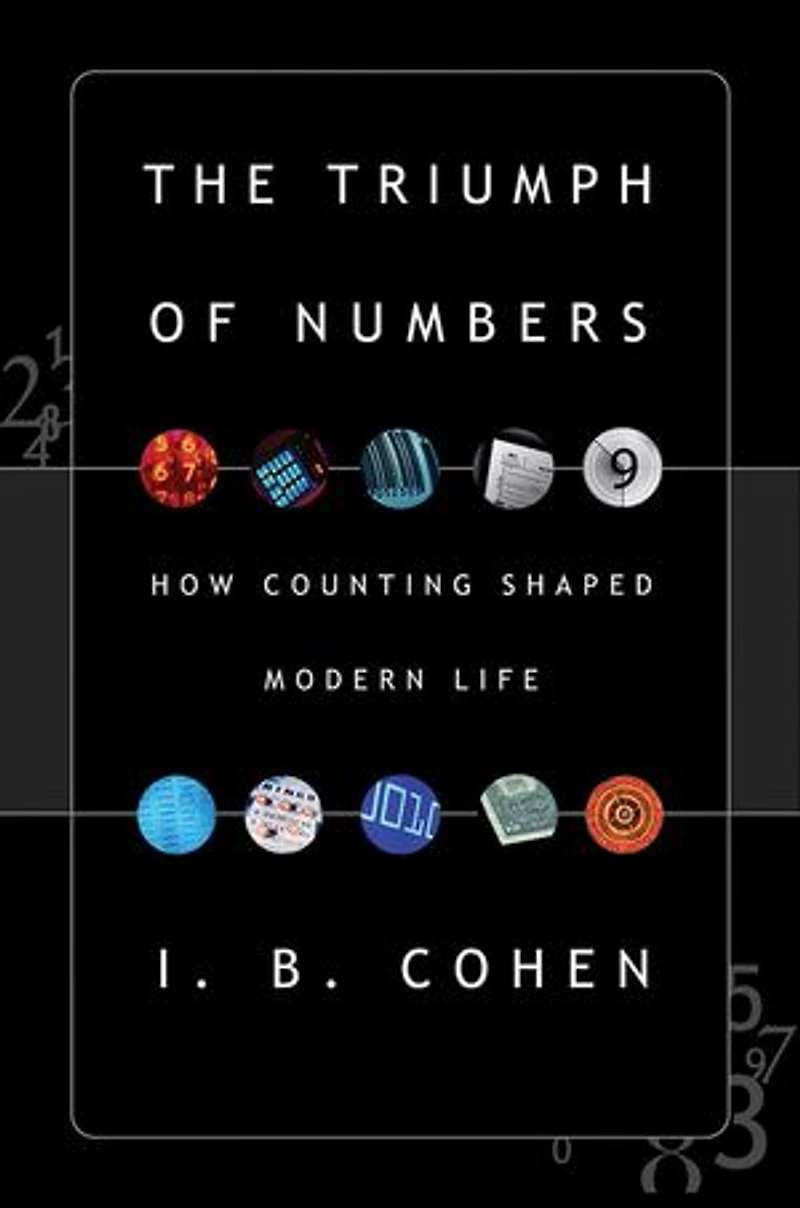
The Triumph of Numbers: How Counting Shaped Modern Life in Grande Prairie, AB
Current price: $14.09
Original price: $17.58
Coles
The Triumph of Numbers: How Counting Shaped Modern Life in Grande Prairie, AB
Current price: $14.09
Original price: $17.58
Loading Inventory...
Size: Kobo eBook
*Product information and pricing may vary - to confirm current pricing, availability, shipping, and return information please contact Coles. In the event of a pricing discrepancy, the retailer's price will apply.
From the pyramids to mortality tables, Galileo to Florence Nightingale, a vibrant history of numbers and the birth of statistics.
The great historian of science I. B. Cohen explores how numbers have come to assume a leading role in science, in the operations and structure of government, in marketing, and in many other aspects of daily life. Consulting and collecting numbers has been a feature of human affairs since antiquity—taxes, head counts for military service—but not until the Scientific Revolution in the twelfth century did social numbers such as births, deaths, and marriages begin to be analyzed. Cohen shines a new light on familiar figures such as Thomas Jefferson, Benjamin Franklin, and Charles Dickens; and he reveals Florence Nightingale to be a passionate statistician. Cohen has left us with an engaging and accessible history of numbers, an appreciation of the essential nature of statistics.
From the pyramids to mortality tables, Galileo to Florence Nightingale, a vibrant history of numbers and the birth of statistics.
The great historian of science I. B. Cohen explores how numbers have come to assume a leading role in science, in the operations and structure of government, in marketing, and in many other aspects of daily life. Consulting and collecting numbers has been a feature of human affairs since antiquity—taxes, head counts for military service—but not until the Scientific Revolution in the twelfth century did social numbers such as births, deaths, and marriages begin to be analyzed. Cohen shines a new light on familiar figures such as Thomas Jefferson, Benjamin Franklin, and Charles Dickens; and he reveals Florence Nightingale to be a passionate statistician. Cohen has left us with an engaging and accessible history of numbers, an appreciation of the essential nature of statistics.
You May Also Like















Find at Prairie Mall in Grande Prairie, AB
Visit at Prairie Mall in Grande Prairie, AB