


Gifting Made Simple
Give the Gift of ChoiceClick below to purchase a Prairie Mall eGift Card that can be used at participating retailers at Prairie Mall.Buy Gift CardHome
The Supreme Court a Separation of Powers System: Nation's Balance Wheel
Coles
Loading Inventory...
The Supreme Court a Separation of Powers System: Nation's Balance Wheel
By None
Current price: $333.50
Coles
The Supreme Court a Separation of Powers System: Nation's Balance Wheel
By None
Current price: $333.50
Loading Inventory...
Size: Hardcover
*Product information and pricing may vary - to confirm current pricing, availability, shipping, and return information please contact Coles. In the event of a pricing discrepancy, the retailer's price will apply.
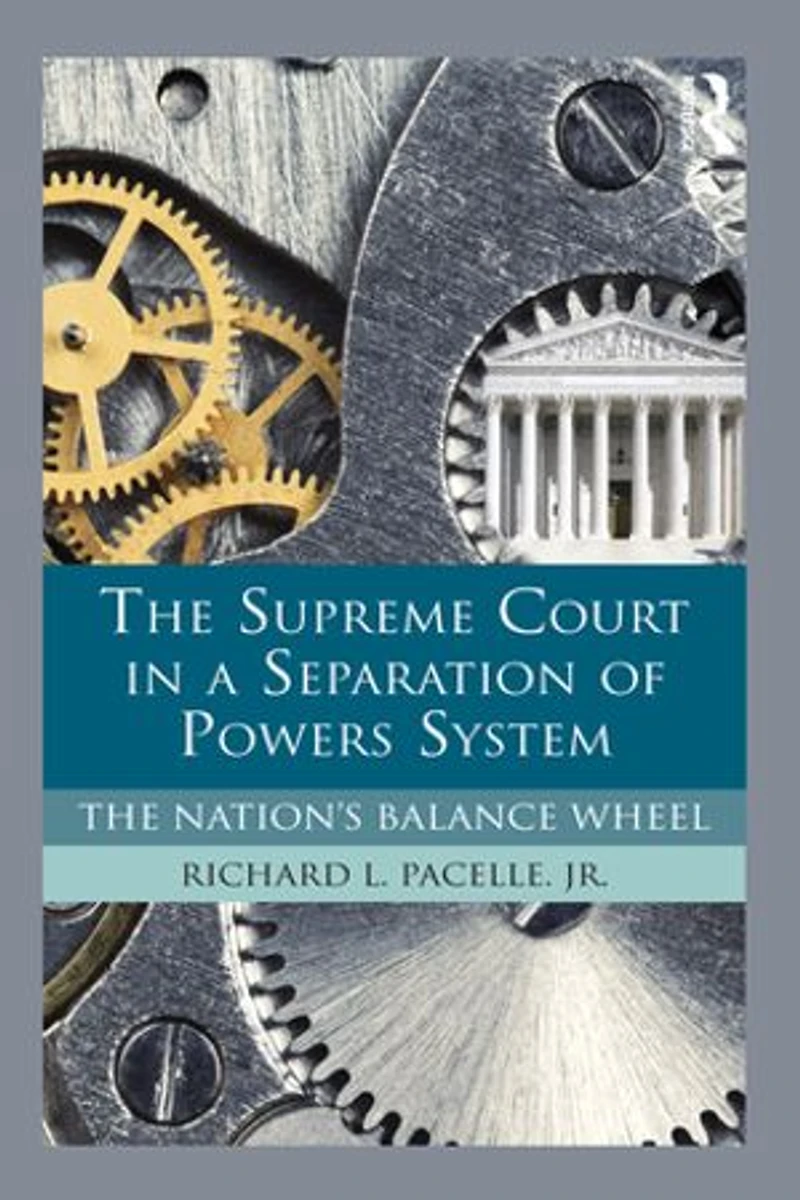
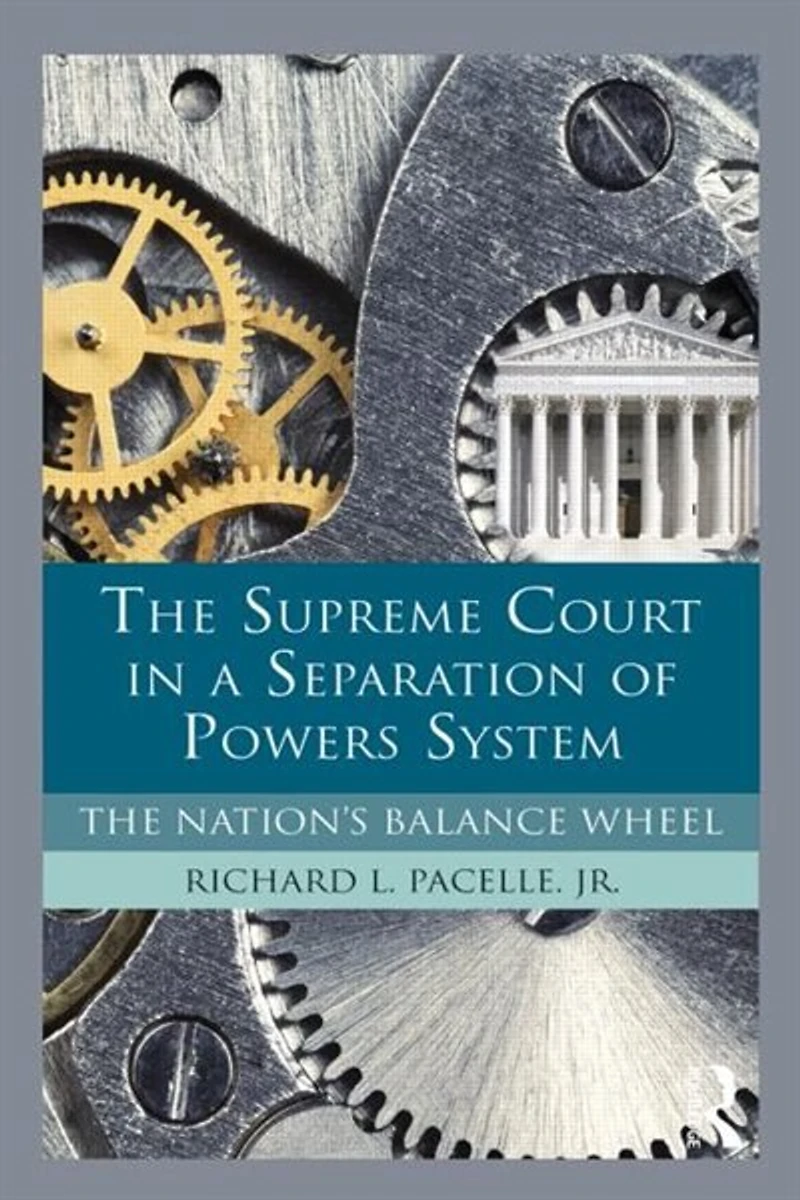
The U.S. Supreme Court is not a unitary actor and it does not function in a vacuum. It is part of an integrated political system in which its decisions and doctrine must be viewed in a broader context. In some areas, the Court is the lead policy maker. In other areas, the Court fills in the gaps of policy created in the legislative and executive branches. In either instance, the Supreme Court's work is influenced by and in turn influences all three branches of the federal government as well as the interests and opinions of the American people. Pacelle analyzes the Court's interaction in the separation of powers system, detailing its relationship to the presidency, Congress, the bureaucracy, public opinion, interest groups, and the vast system of lower courts. The niche the Court occupies and the role it plays in American government reflect aspects of both the legal and political models. The Court has legal duties and obligations as well as some freedom to exercise its collective political will. Too often those studying the Court have examined it in isolation, but this book urges scholars and students alike to think more broadly and situate the highest court as the "balance wheel" in the American system.
The U.S. Supreme Court is not a unitary actor and it does not function in a vacuum. It is part of an integrated political system in which its decisions and doctrine must be viewed in a broader context. In some areas, the Court is the lead policy maker. In other areas, the Court fills in the gaps of policy created in the legislative and executive branches. In either instance, the Supreme Court's work is influenced by and in turn influences all three branches of the federal government as well as the interests and opinions of the American people. Pacelle analyzes the Court's interaction in the separation of powers system, detailing its relationship to the presidency, Congress, the bureaucracy, public opinion, interest groups, and the vast system of lower courts. The niche the Court occupies and the role it plays in American government reflect aspects of both the legal and political models. The Court has legal duties and obligations as well as some freedom to exercise its collective political will. Too often those studying the Court have examined it in isolation, but this book urges scholars and students alike to think more broadly and situate the highest court as the "balance wheel" in the American system.
You May Also Like








More About Coles at Prairie Mall
11801 100 St #104, Grande Prairie, AB T8V 3Y2, Canada
Find Coles at Prairie Mall in Grande Prairie, AB
Visit Coles at Prairie Mall in Grande Prairie, AB