


Gifting Made Simple
Give the Gift of ChoiceClick below to purchase a Prairie Mall eGift Card that can be used at participating retailers at Prairie Mall.Buy Gift CardHome
The Sublime Modern Philosophy: Aesthetics, Ethics, and Nature
Coles
Loading Inventory...
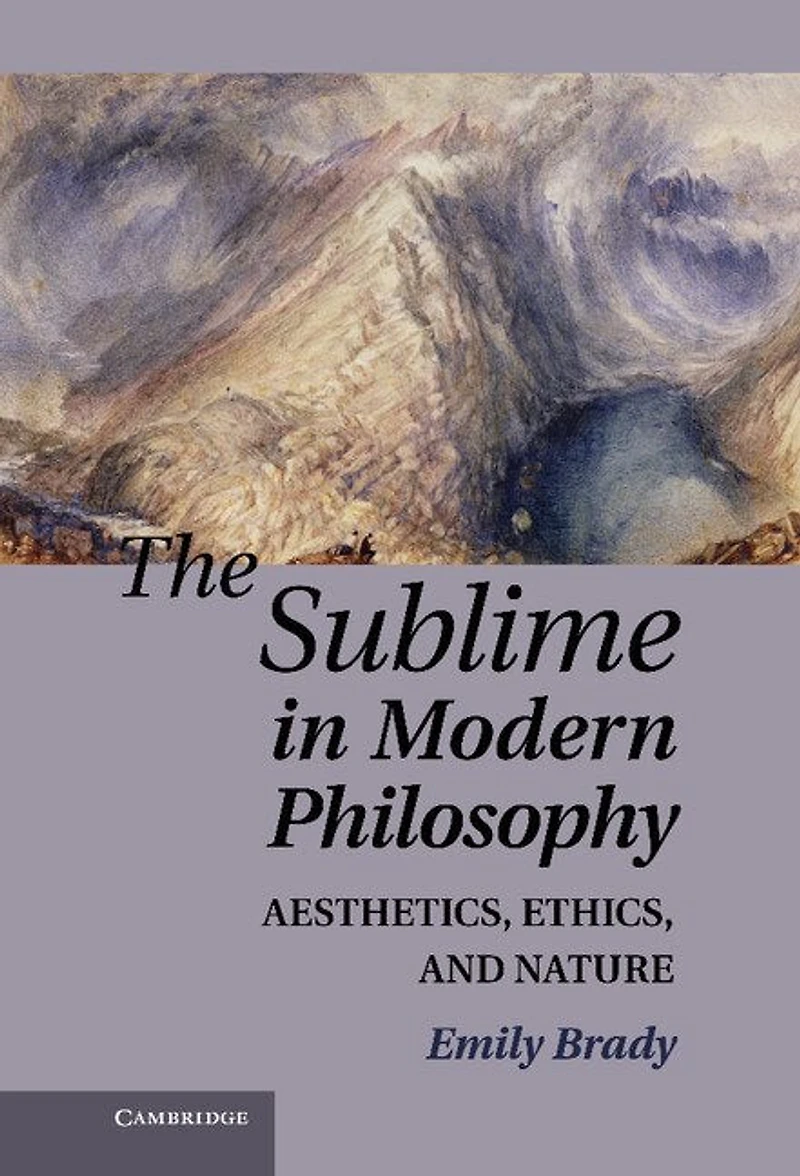
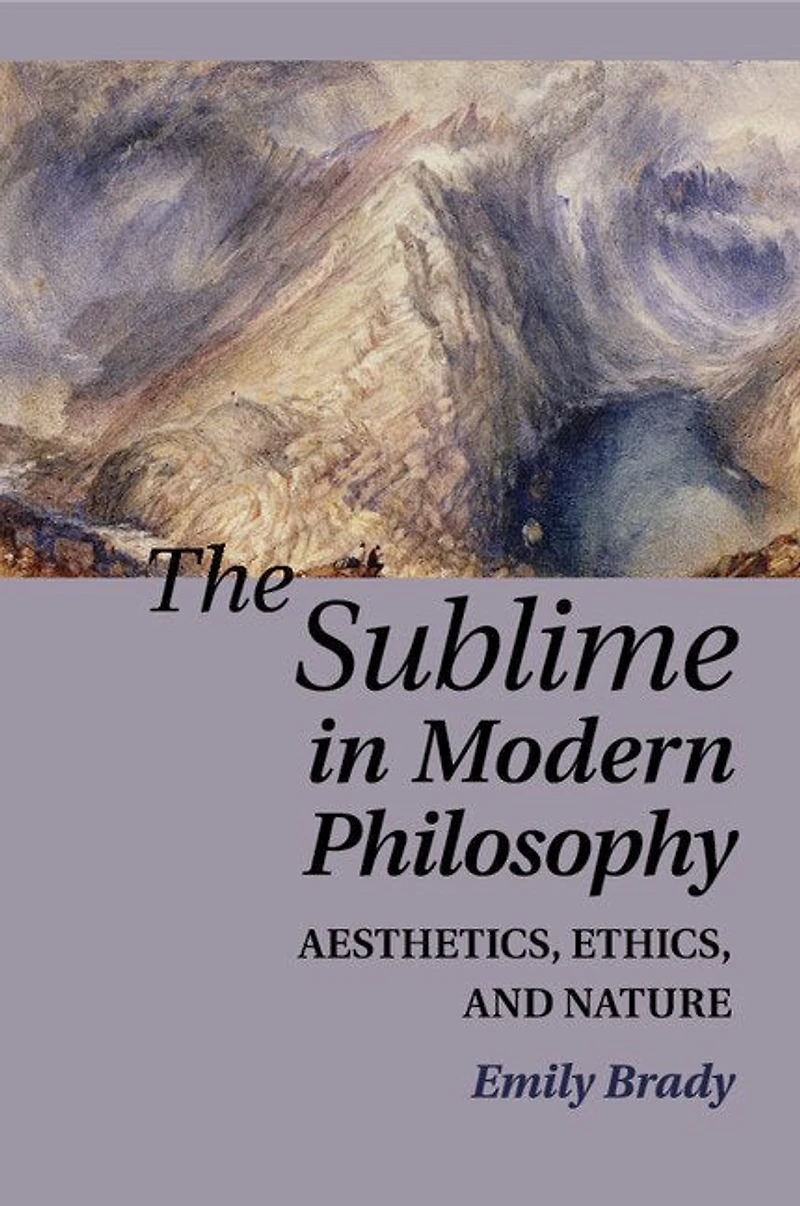
The Sublime Modern Philosophy: Aesthetics, Ethics, and Nature in Grande Prairie, AB
Current price: $152.95
Coles
The Sublime Modern Philosophy: Aesthetics, Ethics, and Nature in Grande Prairie, AB
Current price: $152.95
Loading Inventory...
Size: Hardcover
*Product information and pricing may vary - to confirm current pricing, availability, shipping, and return information please contact Coles. In the event of a pricing discrepancy, the retailer's price will apply.
In The Sublime in Modern Philosophy: Aesthetics, Ethics, and Nature, Emily Brady takes a fresh look at the sublime and shows why it endures as a meaningful concept in contemporary philosophy. In a reassessment of historical approaches, the first part of the book identifies the scope and value of the sublime in eighteenth-century philosophy (with a focus on Kant), nineteenth-century philosophy and Romanticism, and early wilderness aesthetics. The second part examines the sublime's contemporary significance through its relationship to the arts; its position with respect to other aesthetic categories involving mixed or negative emotions, such as tragedy; and its place in environmental aesthetics and ethics. Far from being an outmoded concept, Brady argues that the sublime is a distinctive aesthetic category which reveals an important, if sometimes challenging, aesthetic-moral relationship with the natural world.
In The Sublime in Modern Philosophy: Aesthetics, Ethics, and Nature, Emily Brady takes a fresh look at the sublime and shows why it endures as a meaningful concept in contemporary philosophy. In a reassessment of historical approaches, the first part of the book identifies the scope and value of the sublime in eighteenth-century philosophy (with a focus on Kant), nineteenth-century philosophy and Romanticism, and early wilderness aesthetics. The second part examines the sublime's contemporary significance through its relationship to the arts; its position with respect to other aesthetic categories involving mixed or negative emotions, such as tragedy; and its place in environmental aesthetics and ethics. Far from being an outmoded concept, Brady argues that the sublime is a distinctive aesthetic category which reveals an important, if sometimes challenging, aesthetic-moral relationship with the natural world.
You May Also Like











Find at Prairie Mall in Grande Prairie, AB
Visit at Prairie Mall in Grande Prairie, AB