


Gifting Made Simple
Give the Gift of ChoiceClick below to purchase a Prairie Mall eGift Card that can be used at participating retailers at Prairie Mall.Buy Gift CardHome
The Spiritual Jurisdiction Reformation Scotland: A Legal History
Coles
Loading Inventory...
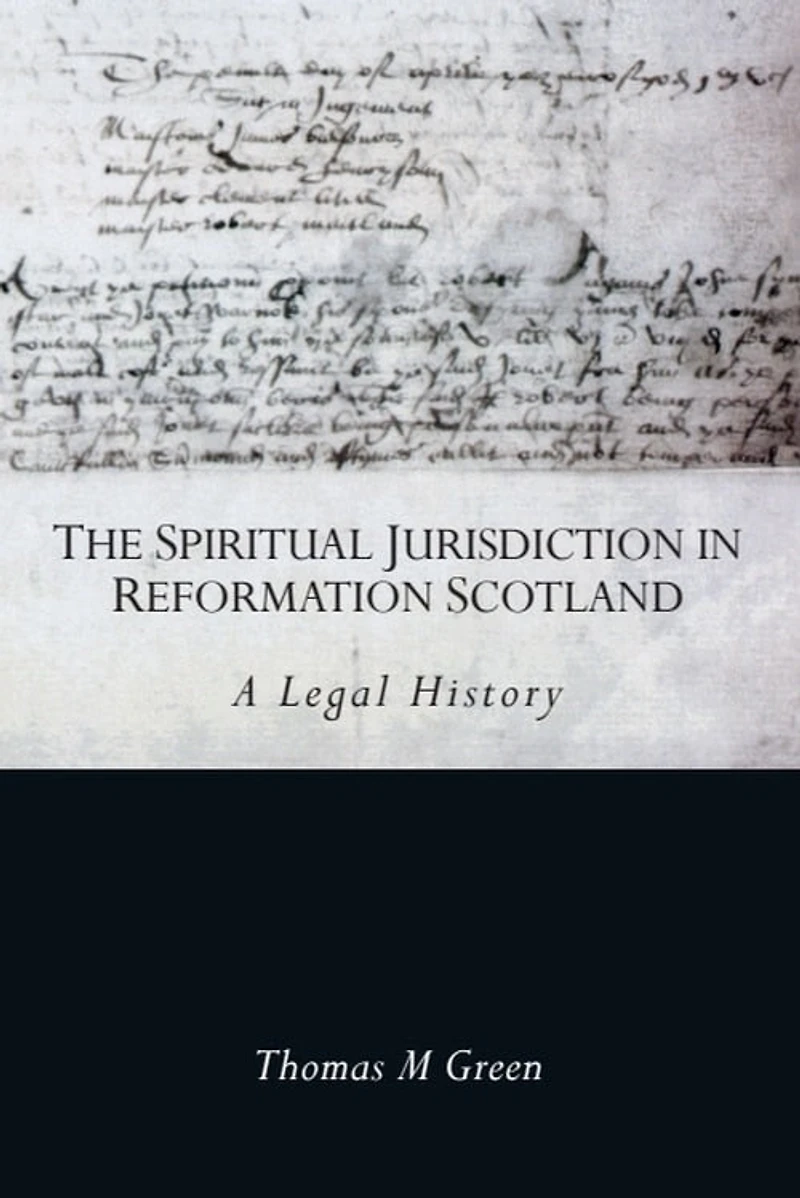
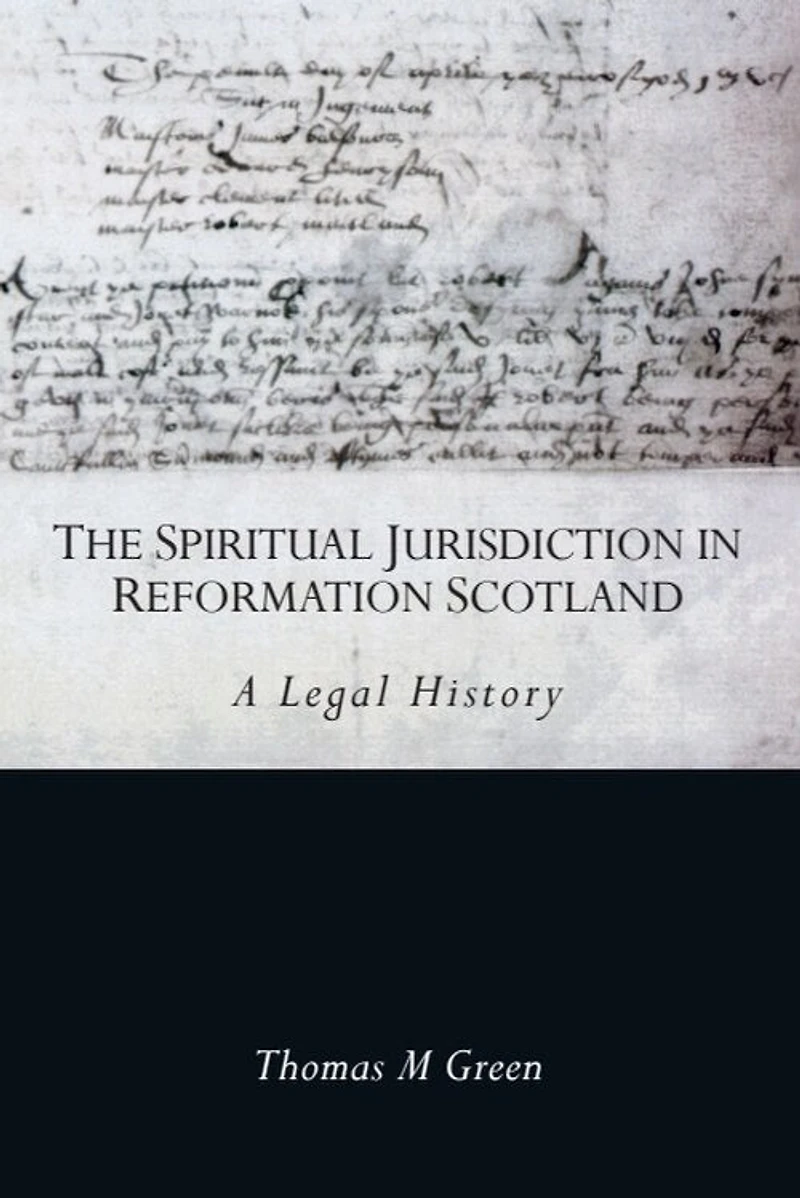
The Spiritual Jurisdiction Reformation Scotland: A Legal History
By None
Current price: $157.78
Coles
The Spiritual Jurisdiction Reformation Scotland: A Legal History
By None
Current price: $157.78
Loading Inventory...
Size: Hardcover
*Product information and pricing may vary - to confirm current pricing, availability, shipping, and return information please contact Coles. In the event of a pricing discrepancy, the retailer's price will apply.
Thomas Green examines the Scottish Reformation from a new perspective – the legal system and lawyers. For the leading lawyers of the day, the Scottish Reformation presented a constitutional and jurisdictional crisis of the first order. In the face of such a challenge moderate judges, lawyers and officers of state sought to restore order in a time of revolution by retaining much of the medieval legacy of Catholic law and order in Scotland. Green covers the Wars of the Congregation, the Reformation Parliament, the legitimacy of the Scottish government from 1558 to 1561, the courts of the early Church of Scotland and the legal significance of Mary Stewart’s personal reign. He also considers neglected aspects of the Reformation, including the roles of the Court of Session and of the Court of the Commissaries of Edinburgh.
Thomas Green examines the Scottish Reformation from a new perspective – the legal system and lawyers. For the leading lawyers of the day, the Scottish Reformation presented a constitutional and jurisdictional crisis of the first order. In the face of such a challenge moderate judges, lawyers and officers of state sought to restore order in a time of revolution by retaining much of the medieval legacy of Catholic law and order in Scotland. Green covers the Wars of the Congregation, the Reformation Parliament, the legitimacy of the Scottish government from 1558 to 1561, the courts of the early Church of Scotland and the legal significance of Mary Stewart’s personal reign. He also considers neglected aspects of the Reformation, including the roles of the Court of Session and of the Court of the Commissaries of Edinburgh.
You May Also Like









More About Coles at Prairie Mall
11801 100 St #104, Grande Prairie, AB T8V 3Y2, Canada
Find Coles at Prairie Mall in Grande Prairie, AB
Visit Coles at Prairie Mall in Grande Prairie, AB