


Gifting Made Simple
Give the Gift of ChoiceClick below to purchase a Prairie Mall eGift Card that can be used at participating retailers at Prairie Mall.Buy Gift CardHome
The Semantic Predecessors of Need in the History of English (c750-1710)
Coles
Loading Inventory...
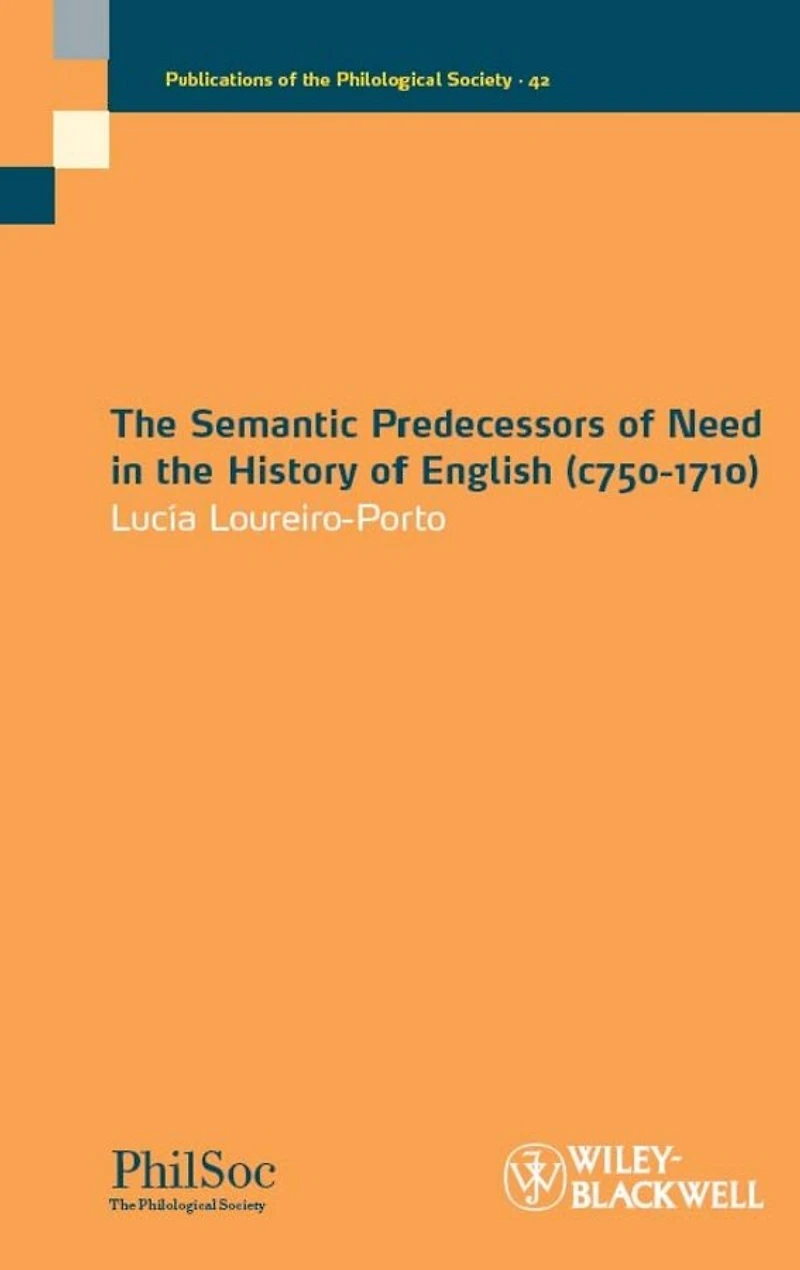
The Semantic Predecessors of Need in the History of English (c750-1710)
By None
Current price: $52.75
Coles
The Semantic Predecessors of Need in the History of English (c750-1710)
By None
Current price: $52.75
Loading Inventory...
Size: Paperback
*Product information and pricing may vary - to confirm current pricing, availability, shipping, and return information please contact Coles. In the event of a pricing discrepancy, the retailer's price will apply.
In the history of English at least five verbs have been found to mean ‘need’: þurfan, beþurfan, need, behove and mister. By adopting a corpus-based approach, this book studies all of them diachronically, from the origins of the language (c.750) to the end of the early Modern English period (1710). Offers a detailed analysis of the meaning of these five verbs which have been found to mean ‘need’, filling a gap in the literature on modality and shedding new light on grammaticalization theory Spans the period c.750 to 1710, adopting a corpus-based approach to study the verbs diachronically Explores the evolution of necessity meanings in English, identifying regular semantic changes and challenging some well-established statements Provides a detailed grammaticalization analysis, paying attention to the different Present-Day-English modal classes, including marginal and emerging modals
In the history of English at least five verbs have been found to mean ‘need’: þurfan, beþurfan, need, behove and mister. By adopting a corpus-based approach, this book studies all of them diachronically, from the origins of the language (c.750) to the end of the early Modern English period (1710). Offers a detailed analysis of the meaning of these five verbs which have been found to mean ‘need’, filling a gap in the literature on modality and shedding new light on grammaticalization theory Spans the period c.750 to 1710, adopting a corpus-based approach to study the verbs diachronically Explores the evolution of necessity meanings in English, identifying regular semantic changes and challenging some well-established statements Provides a detailed grammaticalization analysis, paying attention to the different Present-Day-English modal classes, including marginal and emerging modals
You May Also Like











More About Coles at Prairie Mall
11801 100 St #104, Grande Prairie, AB T8V 3Y2, Canada
Find Coles at Prairie Mall in Grande Prairie, AB
Visit Coles at Prairie Mall in Grande Prairie, AB