


Gifting Made Simple
Give the Gift of ChoiceClick below to purchase a Prairie Mall eGift Card that can be used at participating retailers at Prairie Mall.Buy Gift CardHome
The Self-Donation of God: A Contemporary Lutheran Approach to Christ and His Benefits
Coles
Loading Inventory...
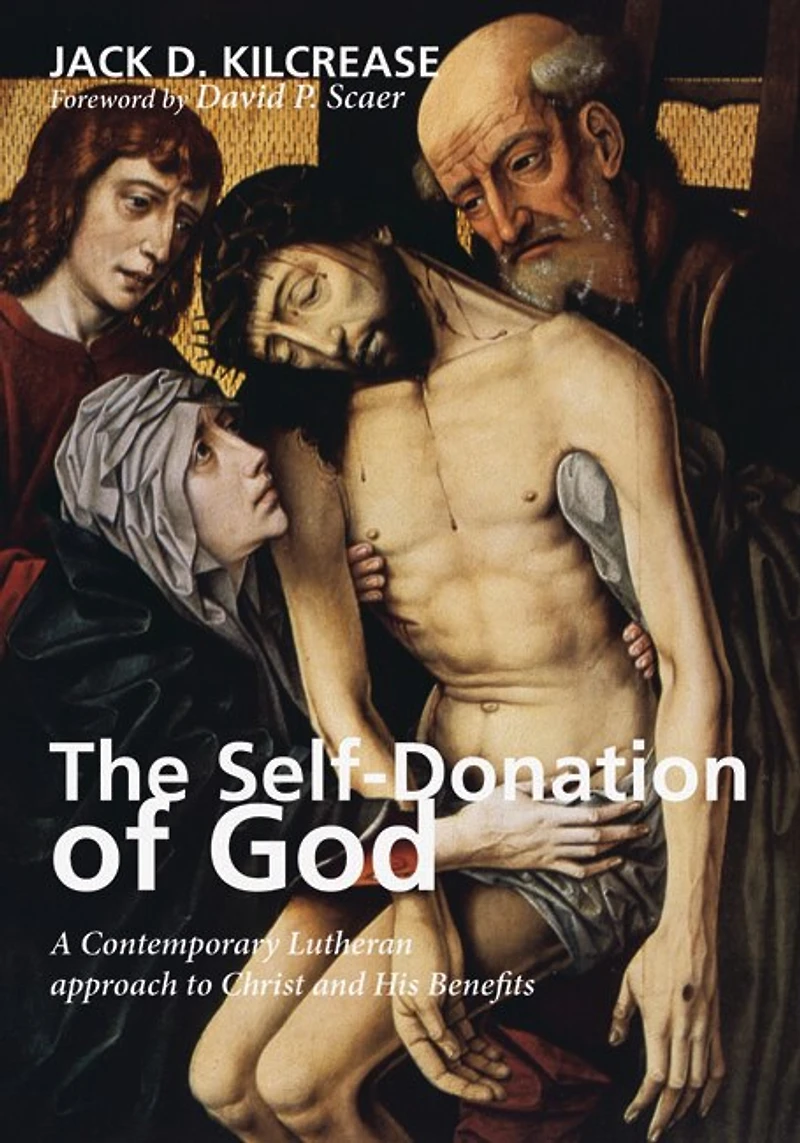
The Self-Donation of God: A Contemporary Lutheran Approach to Christ and His Benefits in Grande Prairie, AB
Current price: $94.00
Coles
The Self-Donation of God: A Contemporary Lutheran Approach to Christ and His Benefits in Grande Prairie, AB
Current price: $94.00
Loading Inventory...
Size: Hardcover
*Product information and pricing may vary - to confirm current pricing, availability, shipping, and return information please contact Coles. In the event of a pricing discrepancy, the retailer's price will apply.
In The Self-Donation of God, Jack Kilcrease argues that the speech-act of promise is always an act of self-donation. A person who unilaterally promises to another is bound to take a particular series of actions to fulfill that promise. Being that creation is grounded in God's promising speech, the divine-human relationship is fundamentally one of divine self-donation and human receptivity. Sin disrupts this relationship and therefore redemption is constituted by a reassertion of divine promise of salvation in the face of the condemnation of the law (Gen 3:15). As a new and effective word of grace, the promise of a savior begins the process of redemption within which God speaks forth a new narrative of creation. In this new narrative, God gives himself in an even deeper manner to humanity. By donating himself through a promise, first to the protological humanity and then to Israel, he binds himself to them. At the end of this history of self-binding, God in Christ enters into the condemnation of the law, neutralizes it in the cross, and brings about a new creation through his omnipotent word of promise actualized in the resurrection.
In The Self-Donation of God, Jack Kilcrease argues that the speech-act of promise is always an act of self-donation. A person who unilaterally promises to another is bound to take a particular series of actions to fulfill that promise. Being that creation is grounded in God's promising speech, the divine-human relationship is fundamentally one of divine self-donation and human receptivity. Sin disrupts this relationship and therefore redemption is constituted by a reassertion of divine promise of salvation in the face of the condemnation of the law (Gen 3:15). As a new and effective word of grace, the promise of a savior begins the process of redemption within which God speaks forth a new narrative of creation. In this new narrative, God gives himself in an even deeper manner to humanity. By donating himself through a promise, first to the protological humanity and then to Israel, he binds himself to them. At the end of this history of self-binding, God in Christ enters into the condemnation of the law, neutralizes it in the cross, and brings about a new creation through his omnipotent word of promise actualized in the resurrection.
















Find at Prairie Mall in Grande Prairie, AB
Visit at Prairie Mall in Grande Prairie, AB