


Gifting Made Simple
Give the Gift of ChoiceClick below to purchase a Prairie Mall eGift Card that can be used at participating retailers at Prairie Mall.Buy Gift CardHome
The Rules of Thought
Coles
Loading Inventory...
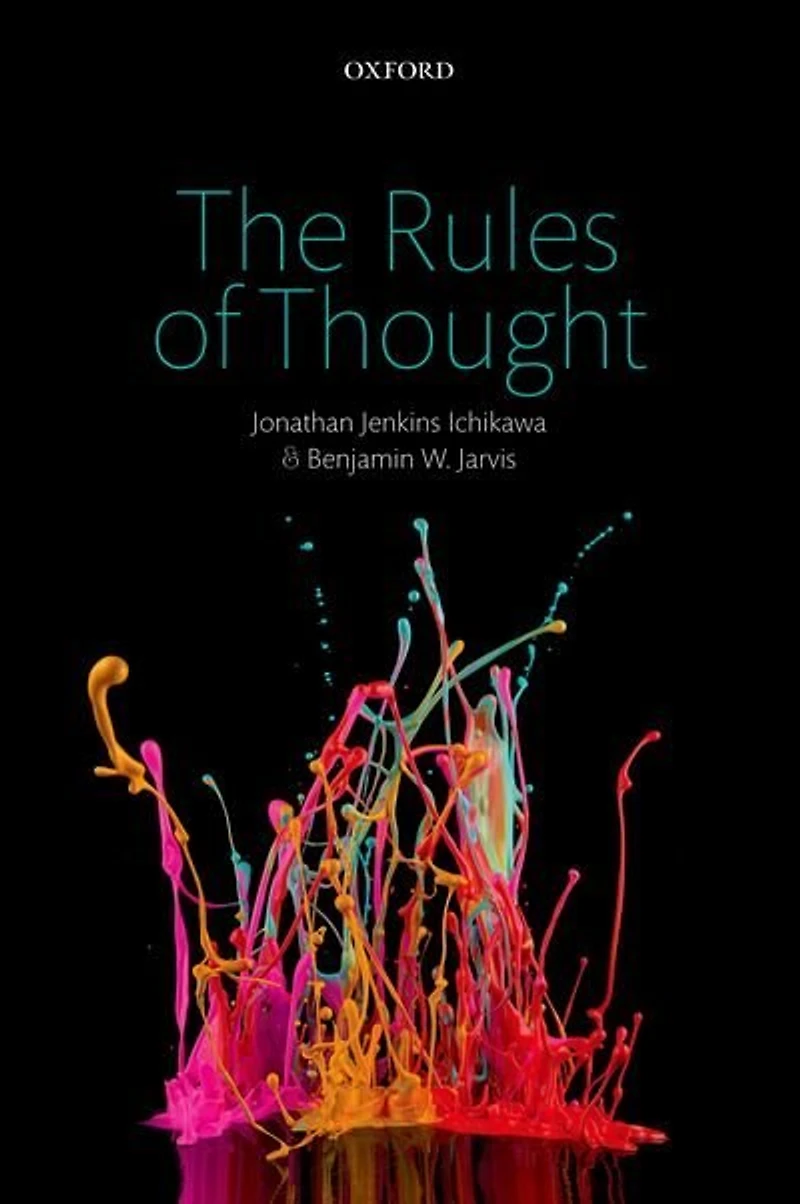
The Rules of Thought in Grande Prairie, AB
Current price: $65.00
Coles
The Rules of Thought in Grande Prairie, AB
Current price: $65.00
Loading Inventory...
Size: Hardcover
*Product information and pricing may vary - to confirm current pricing, availability, shipping, and return information please contact Coles. In the event of a pricing discrepancy, the retailer's price will apply.
The Rules of Thought develops a rationalist theory of mental content while defending a traditional epistemology of philosophy. Jonathan Jenkins Ichikawa and Benjamin W. Jarvis contend that a capacity for pure rational thought is fundamental to mental content itself and underwrites our quotidian reasoning and extraordinary philosophical engagement alike. Part I of the book develops a Fregean theory of mental content, according to which rational relations between propositions play a central role in individuating contents; the theory is designed to be sensitive not only to Frege's puzzle and other data that have motivated rationalist conceptions of content, but also to considerations in the philosophy of mind and language that have motivated neo-Russellian views. Part II articulates a theory of the a priori, and shows that, given the framework of Part I, it is very plausible that much philosophical work of interest is genuinely a priori. Notably, it is no part of the picture developed that intuitions have an important role to play, either in mental content, or in the epistemology of the a priori; Part III defends this departure from rationalist orthodoxy.
The Rules of Thought develops a rationalist theory of mental content while defending a traditional epistemology of philosophy. Jonathan Jenkins Ichikawa and Benjamin W. Jarvis contend that a capacity for pure rational thought is fundamental to mental content itself and underwrites our quotidian reasoning and extraordinary philosophical engagement alike. Part I of the book develops a Fregean theory of mental content, according to which rational relations between propositions play a central role in individuating contents; the theory is designed to be sensitive not only to Frege's puzzle and other data that have motivated rationalist conceptions of content, but also to considerations in the philosophy of mind and language that have motivated neo-Russellian views. Part II articulates a theory of the a priori, and shows that, given the framework of Part I, it is very plausible that much philosophical work of interest is genuinely a priori. Notably, it is no part of the picture developed that intuitions have an important role to play, either in mental content, or in the epistemology of the a priori; Part III defends this departure from rationalist orthodoxy.
You May Also Like














Find at Prairie Mall in Grande Prairie, AB
Visit at Prairie Mall in Grande Prairie, AB