


Gifting Made Simple
Give the Gift of ChoiceClick below to purchase a Prairie Mall eGift Card that can be used at participating retailers at Prairie Mall.Buy Gift CardHome
The Role of Religious Culture for Social Progress East Asian Society
Coles
Loading Inventory...
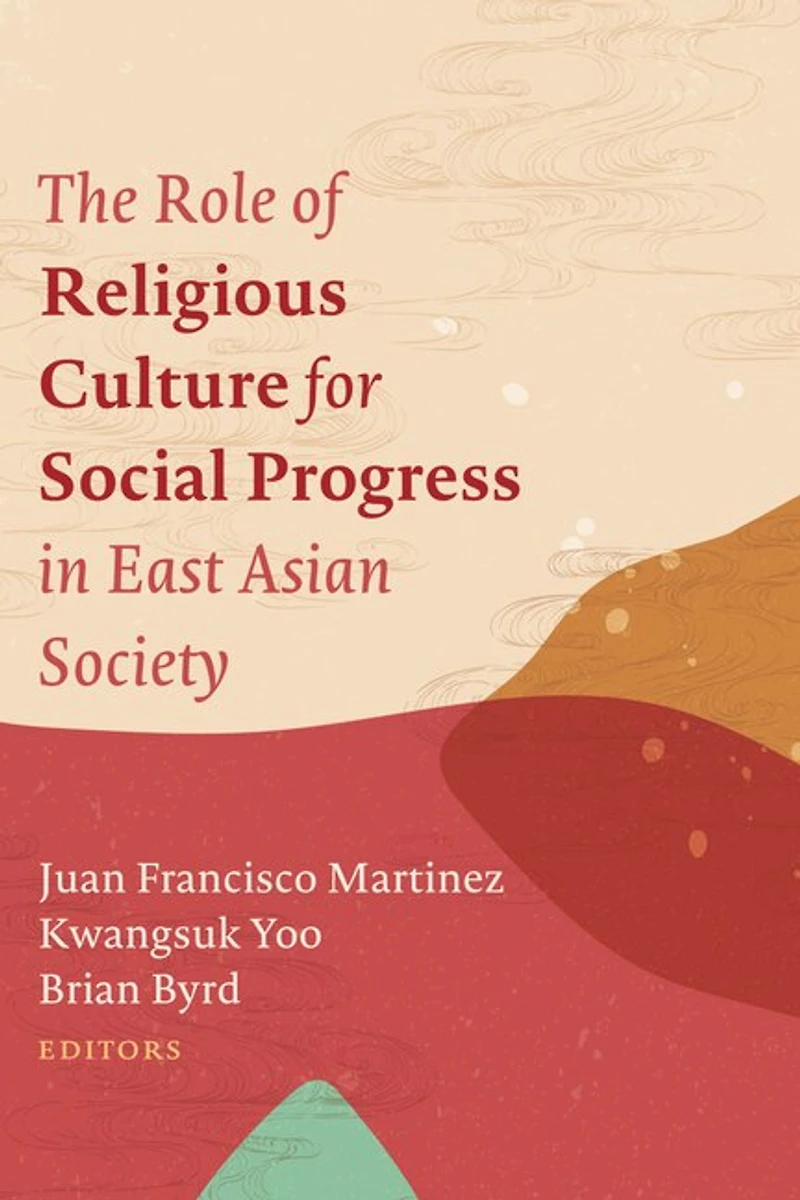
The Role of Religious Culture for Social Progress East Asian Society in Grande Prairie, AB
Current price: $57.00
Coles
The Role of Religious Culture for Social Progress East Asian Society in Grande Prairie, AB
Current price: $57.00
Loading Inventory...
Size: Hardcover
*Product information and pricing may vary - to confirm current pricing, availability, shipping, and return information please contact Coles. In the event of a pricing discrepancy, the retailer's price will apply.
Religious culture is an important keyword for understanding rapidly changing East Asian society, especially China, Japan, and Korea. Despite the common influence of Confucian culture on these countries, each has shown a very different pattern of social progress in modern and postmodern times. Although surveys report a low ratio of religious identification and membership in this region, people in this area are religious in a different way from Western societies, and religious culture is closely related to political, economic, and social subsystems. A real force of changing East Asian society is not only political powers or economic classes, but also an invisible culture based on religious belief and practice. This book focuses on the dynamic relationship between social progress and religious culture, organization, or movements in each society since 1945.
Religious culture is an important keyword for understanding rapidly changing East Asian society, especially China, Japan, and Korea. Despite the common influence of Confucian culture on these countries, each has shown a very different pattern of social progress in modern and postmodern times. Although surveys report a low ratio of religious identification and membership in this region, people in this area are religious in a different way from Western societies, and religious culture is closely related to political, economic, and social subsystems. A real force of changing East Asian society is not only political powers or economic classes, but also an invisible culture based on religious belief and practice. This book focuses on the dynamic relationship between social progress and religious culture, organization, or movements in each society since 1945.
You May Also Like












Find at Prairie Mall in Grande Prairie, AB
Visit at Prairie Mall in Grande Prairie, AB