


Gifting Made Simple
Give the Gift of ChoiceClick below to purchase a Prairie Mall eGift Card that can be used at participating retailers at Prairie Mall.Buy Gift CardHome
The Revolution Wasn't Televised: Sixties Television and Social Conflict
Coles
Loading Inventory...
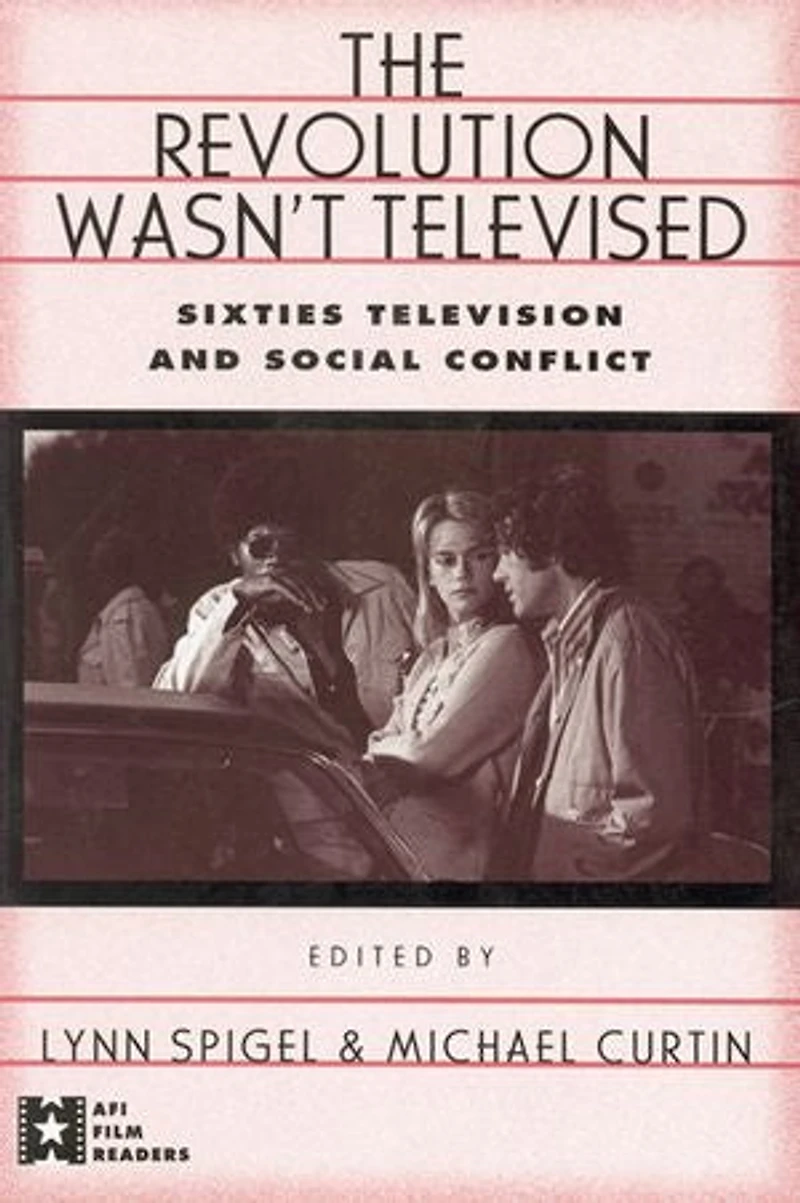
The Revolution Wasn't Televised: Sixties Television and Social Conflict in Grande Prairie, AB
Current price: $74.63
Coles
The Revolution Wasn't Televised: Sixties Television and Social Conflict in Grande Prairie, AB
Current price: $74.63
Loading Inventory...
Size: Kobo eBook
*Product information and pricing may vary - to confirm current pricing, availability, shipping, and return information please contact Coles. In the event of a pricing discrepancy, the retailer's price will apply.
Caricatures of sixties television--called a "vast wasteland" by the FCC president in the early sixties--continue to dominate our perceptions of the era and cloud popular understanding of the relationship between pop culture and larger social forces. Opposed to these conceptions, The Revolution Wasn't Televised explores the ways in which prime-time television was centrally involved in the social conflicts of the 1960s. It was then that television became a ubiquitous element in American homes. The contributors in this volume argue that due to TV's constant presence in everyday life, it became the object of intense debates over childraising, education, racism, gender, technology, politics, violence, and Vietnam. These essays explore the minutia of TV in relation to the macro-structure of sixties politics and society, attempting to understand the struggles that took place over representation the nation's most popular communications media during the 1960s.
Caricatures of sixties television--called a "vast wasteland" by the FCC president in the early sixties--continue to dominate our perceptions of the era and cloud popular understanding of the relationship between pop culture and larger social forces. Opposed to these conceptions, The Revolution Wasn't Televised explores the ways in which prime-time television was centrally involved in the social conflicts of the 1960s. It was then that television became a ubiquitous element in American homes. The contributors in this volume argue that due to TV's constant presence in everyday life, it became the object of intense debates over childraising, education, racism, gender, technology, politics, violence, and Vietnam. These essays explore the minutia of TV in relation to the macro-structure of sixties politics and society, attempting to understand the struggles that took place over representation the nation's most popular communications media during the 1960s.
You May Also Like













Find at Prairie Mall in Grande Prairie, AB
Visit at Prairie Mall in Grande Prairie, AB