


Gifting Made Simple
Give the Gift of ChoiceClick below to purchase a Prairie Mall eGift Card that can be used at participating retailers at Prairie Mall.Buy Gift CardHome
The Reparation System of the International Criminal Court: Its Implementation, Possibilities and Limitations
Coles
Loading Inventory...
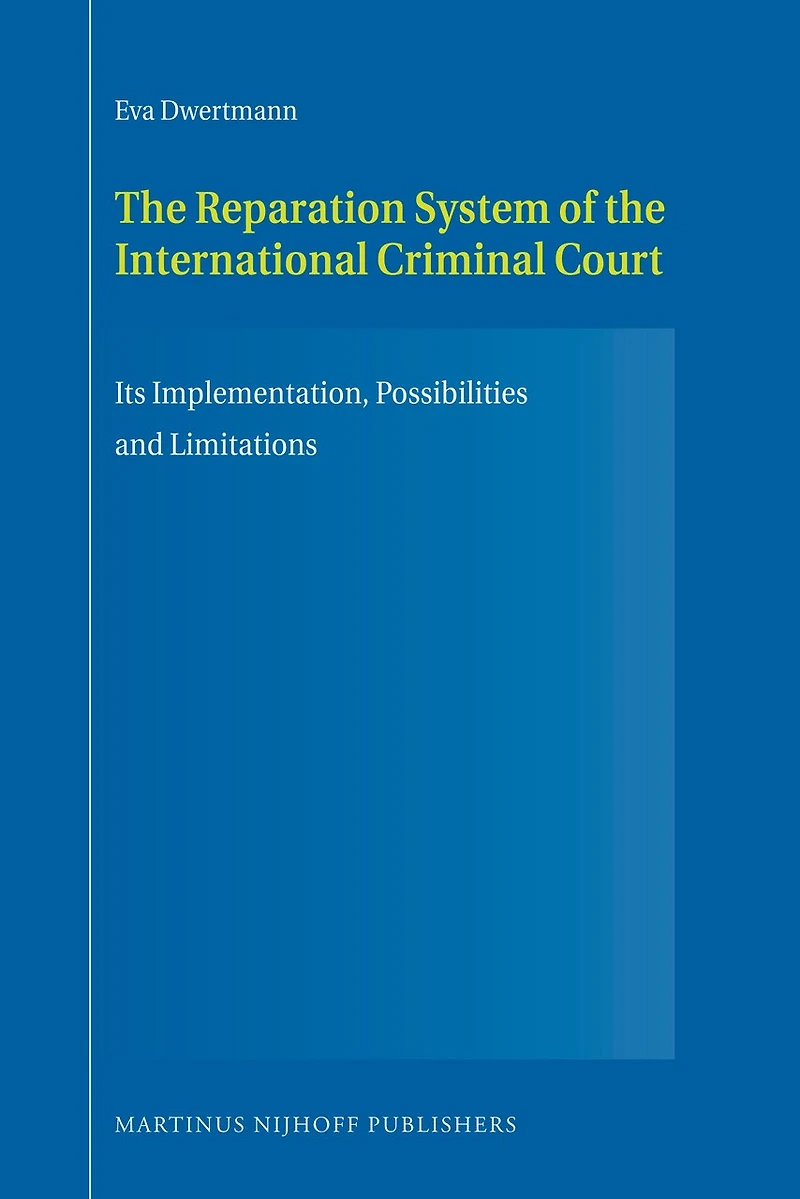
The Reparation System of the International Criminal Court: Its Implementation, Possibilities and Limitations in Grande Prairie, AB
Current price: $196.99
Coles
The Reparation System of the International Criminal Court: Its Implementation, Possibilities and Limitations in Grande Prairie, AB
Current price: $196.99
Loading Inventory...
Size: Hardcover
*Product information and pricing may vary - to confirm current pricing, availability, shipping, and return information please contact Coles. In the event of a pricing discrepancy, the retailer's price will apply.
When the Rome Statute for the International Criminal Court was adopted in 1998, one of its great innovations was that victims were granted an active role in the proceedings. In its early jurisprudence on victims’ rights, the International Criminal Court stated that “the success of the Court is, to some extent, linked to the success of its reparation system.” This book is among the first to focus on the International Criminal Court’s power to order reparations to victims. It provides a comprehensive analysis of the legal framework of the reparation system, taking into account relevant Court decisions. Possibilities for its implementation are drawn up, providing potential solutions for its multiple challenges, including the distinct asymmetry between the individualized responsibility to provide reparations and the collective nature of the crimes and its consequences. With its practical approach, this book is particularly valuable for practitioners, but also for students and researchers.
When the Rome Statute for the International Criminal Court was adopted in 1998, one of its great innovations was that victims were granted an active role in the proceedings. In its early jurisprudence on victims’ rights, the International Criminal Court stated that “the success of the Court is, to some extent, linked to the success of its reparation system.” This book is among the first to focus on the International Criminal Court’s power to order reparations to victims. It provides a comprehensive analysis of the legal framework of the reparation system, taking into account relevant Court decisions. Possibilities for its implementation are drawn up, providing potential solutions for its multiple challenges, including the distinct asymmetry between the individualized responsibility to provide reparations and the collective nature of the crimes and its consequences. With its practical approach, this book is particularly valuable for practitioners, but also for students and researchers.
You May Also Like










Find at Prairie Mall in Grande Prairie, AB
Visit at Prairie Mall in Grande Prairie, AB