


Gifting Made Simple
Give the Gift of ChoiceClick below to purchase a Prairie Mall eGift Card that can be used at participating retailers at Prairie Mall.Buy Gift CardHome
the Religion of Chiropractic: Populist Healing from American Heartland
Coles
Loading Inventory...
the Religion of Chiropractic: Populist Healing from American Heartland in Grande Prairie, AB
Current price: $141.95
Coles
the Religion of Chiropractic: Populist Healing from American Heartland in Grande Prairie, AB
Current price: $141.95
Loading Inventory...
Size: Hardcover
*Product information and pricing may vary - to confirm current pricing, availability, shipping, and return information please contact Coles. In the event of a pricing discrepancy, the retailer's price will apply.
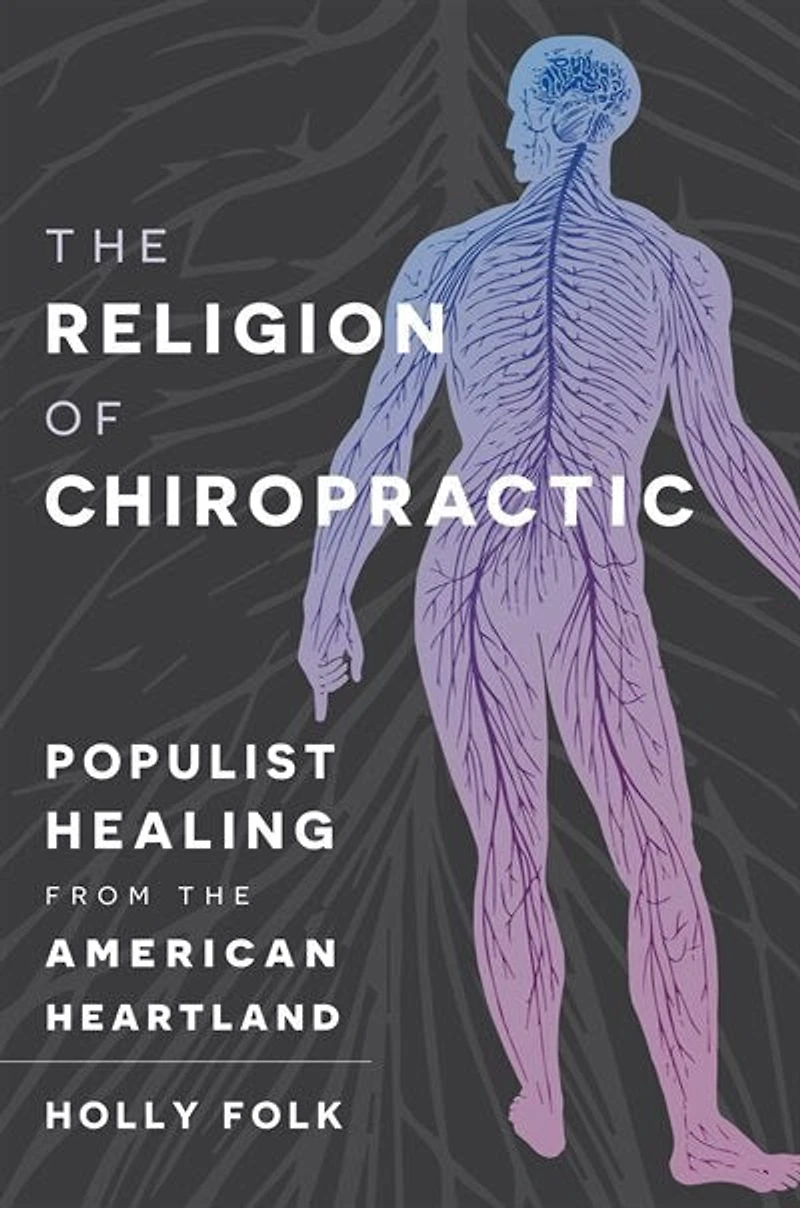
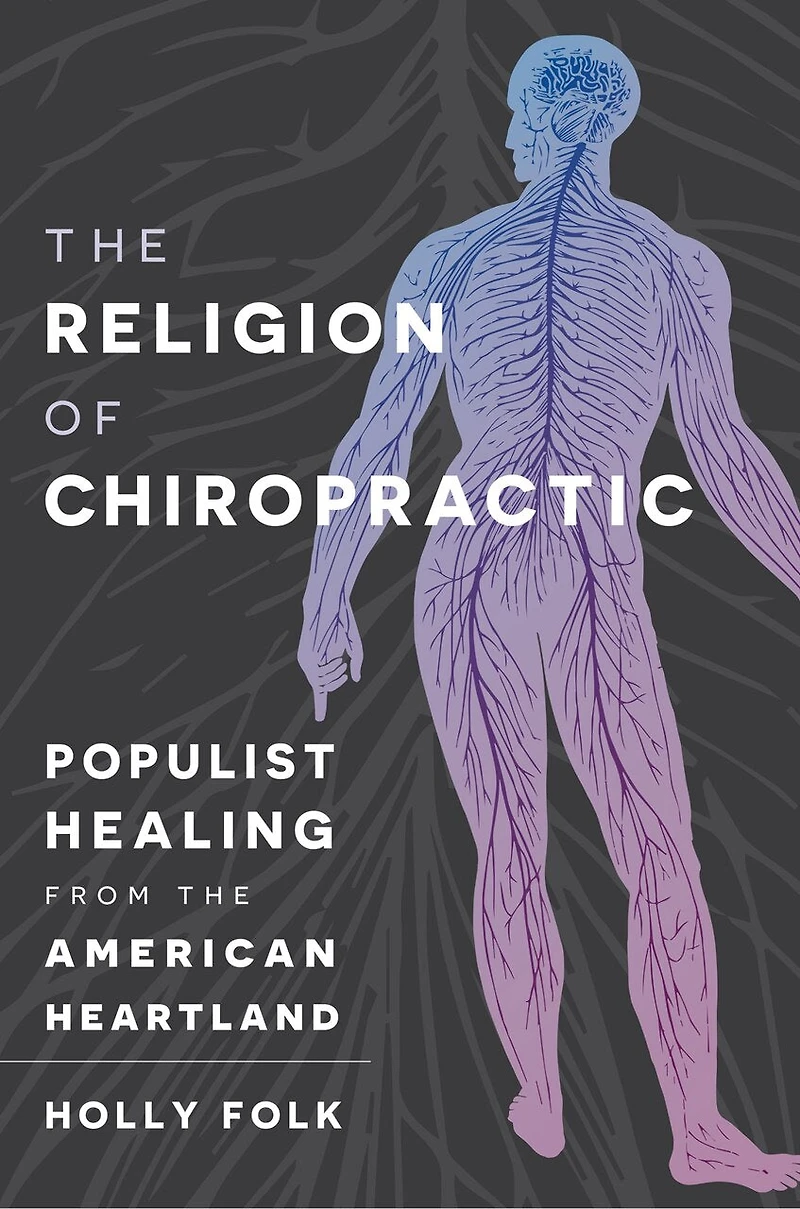
Chiropractic is by far the most common form of alternative medicine in the United States today, but its fascinating origins stretch back to the battles between science and religion in the nineteenth century. At the center of the story are chiropractic’s colorful founders, D. D. Palmer and his son, B. J. Palmer, of Davenport, Iowa, where in 1897 they established the Palmer College of Chiropractic. Holly Folk shows how the Palmers' system depicted chiropractic as a conduit for both material and spiritualized versions of a “vital principle,” reflecting popular contemporary therapies and nineteenth-century metaphysical beliefs, including the idea that the spine was home to occult forces.
The creation of chiropractic, and other Progressive-era versions of alternative medicine, happened at a time when the relationship between science and religion took on an urgent, increasingly competitive tinge. Many remarkable people, including the Palmers, undertook highly personal reinterpretations of their physical and spiritual worlds. In this context, Folk reframes alternative medicine and spirituality as a type of populist intellectual culture in which ideologies about the body comprise a highly appealing form of cultural resistance.
Chiropractic is by far the most common form of alternative medicine in the United States today, but its fascinating origins stretch back to the battles between science and religion in the nineteenth century. At the center of the story are chiropractic’s colorful founders, D. D. Palmer and his son, B. J. Palmer, of Davenport, Iowa, where in 1897 they established the Palmer College of Chiropractic. Holly Folk shows how the Palmers' system depicted chiropractic as a conduit for both material and spiritualized versions of a “vital principle,” reflecting popular contemporary therapies and nineteenth-century metaphysical beliefs, including the idea that the spine was home to occult forces.
The creation of chiropractic, and other Progressive-era versions of alternative medicine, happened at a time when the relationship between science and religion took on an urgent, increasingly competitive tinge. Many remarkable people, including the Palmers, undertook highly personal reinterpretations of their physical and spiritual worlds. In this context, Folk reframes alternative medicine and spirituality as a type of populist intellectual culture in which ideologies about the body comprise a highly appealing form of cultural resistance.
You May Also Like



















Find at Prairie Mall in Grande Prairie, AB
Visit at Prairie Mall in Grande Prairie, AB