


Gifting Made Simple
Give the Gift of ChoiceClick below to purchase a Prairie Mall eGift Card that can be used at participating retailers at Prairie Mall.Buy Gift CardHome
the Reasoning of Quantum Mechanics: Operator Theory and Harmonic Oscillator
Coles
Loading Inventory...
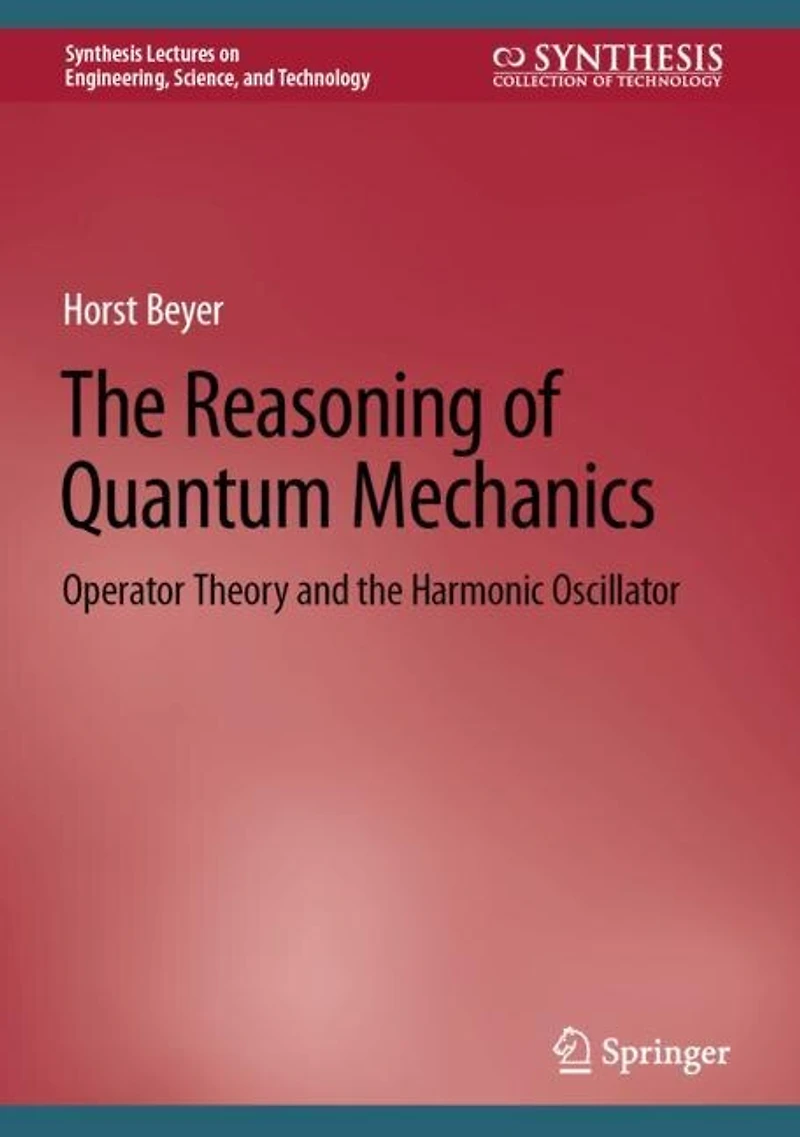
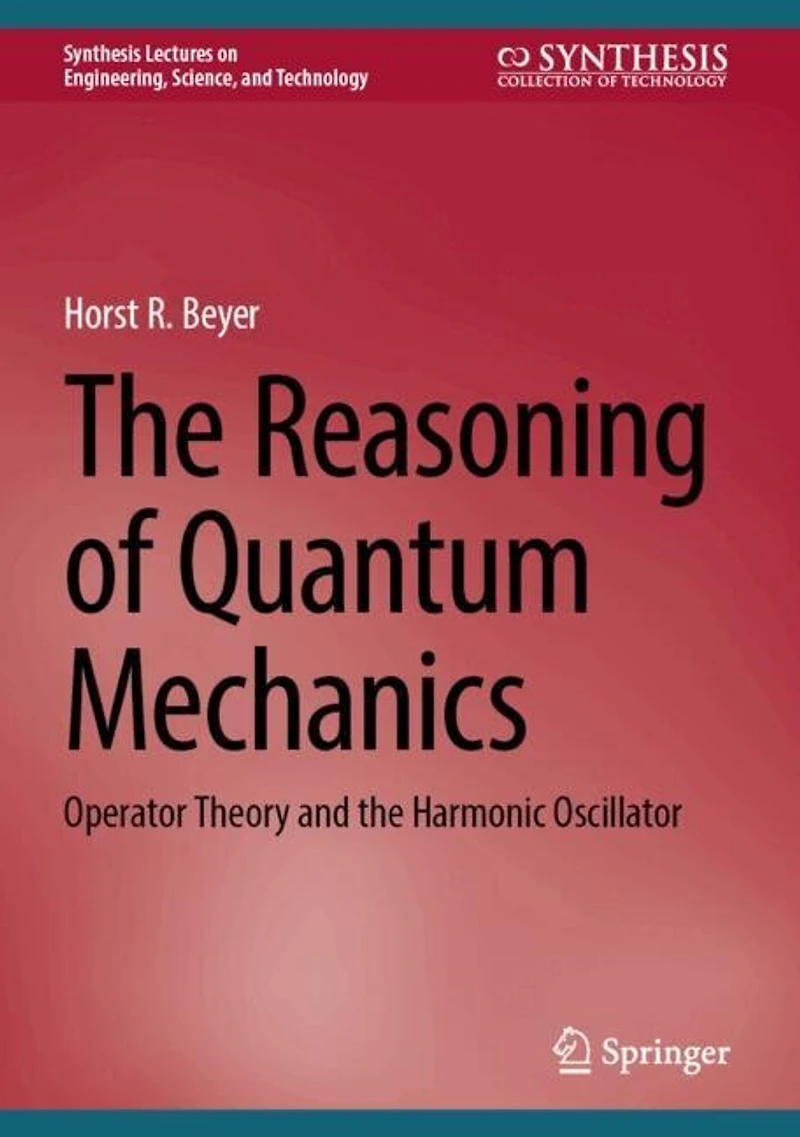
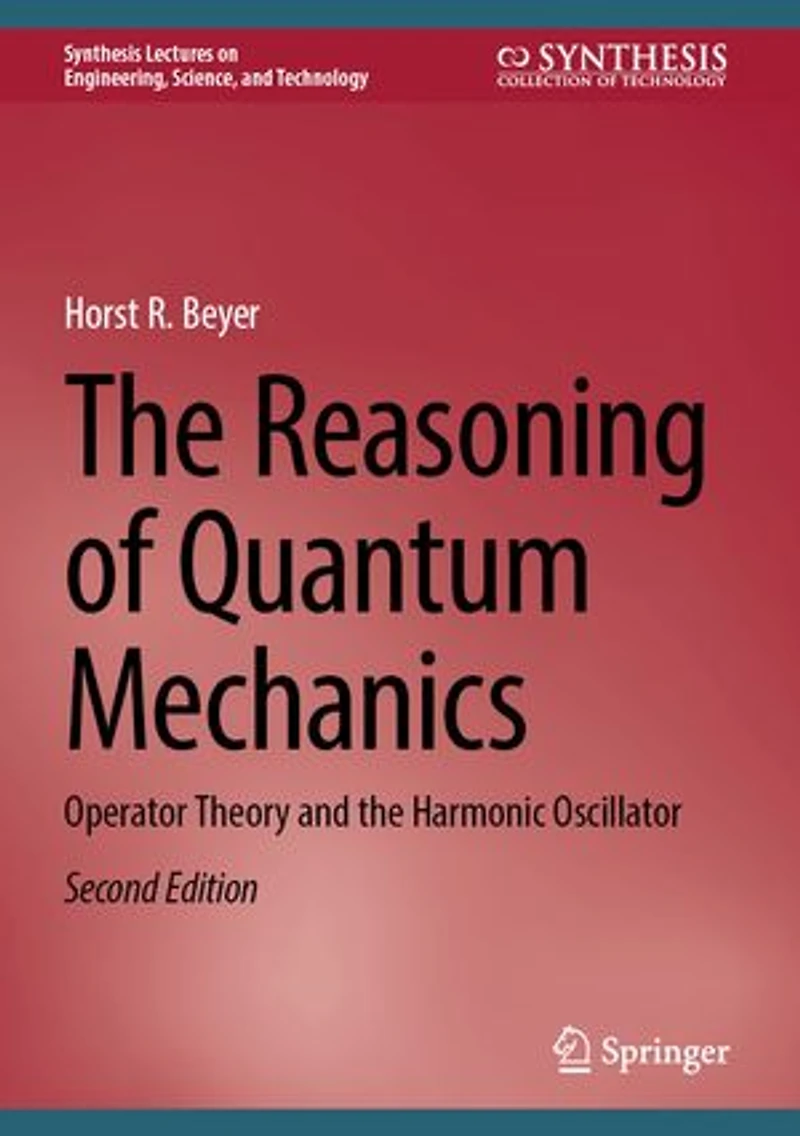
the Reasoning of Quantum Mechanics: Operator Theory and Harmonic Oscillator in Grande Prairie, AB
Current price: $55.50
Coles
the Reasoning of Quantum Mechanics: Operator Theory and Harmonic Oscillator in Grande Prairie, AB
Current price: $55.50
Loading Inventory...
Size: Hardcover (2024 A)
*Product information and pricing may vary - to confirm current pricing, availability, shipping, and return information please contact Coles. In the event of a pricing discrepancy, the retailer's price will apply.
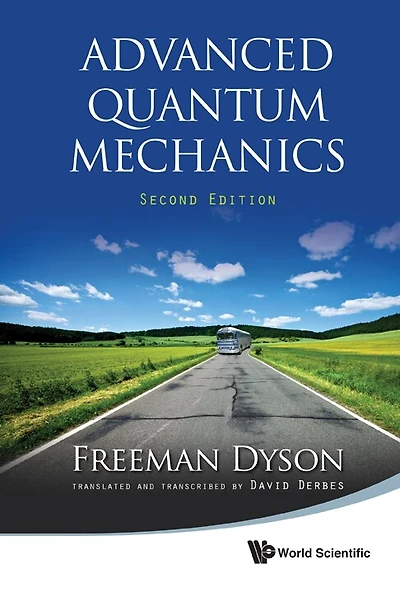
This Second Edition presents and details the process of quantization of a classical mechanical system in a relevant physical system, the harmonic oscillator. As mathematics and physics are inextricably interwoven in quantum theories, the author takes a mathematically rigorous approach. The book focuses on properties of the quantum system that can be observed and measured, and the author then interprets the resulting theory. The book covers methods of operator theory in the formulation of the theory as well as in the calculation of the consequences of the theory. The author addresses the mathematical foundation of the probabilistic interpretation of quantum mechanics through the spectral theorems for (densely-defined and linear) self-adjoint operators in complex Hilbert spaces. The book also explains the measurement process and questions the challenges of the wave function, the EPR paradox, and Bell's inequality.
This Second Edition presents and details the process of quantization of a classical mechanical system in a relevant physical system, the harmonic oscillator. As mathematics and physics are inextricably interwoven in quantum theories, the author takes a mathematically rigorous approach. The book focuses on properties of the quantum system that can be observed and measured, and the author then interprets the resulting theory. The book covers methods of operator theory in the formulation of the theory as well as in the calculation of the consequences of the theory. The author addresses the mathematical foundation of the probabilistic interpretation of quantum mechanics through the spectral theorems for (densely-defined and linear) self-adjoint operators in complex Hilbert spaces. The book also explains the measurement process and questions the challenges of the wave function, the EPR paradox, and Bell's inequality.
You May Also Like










Find at Prairie Mall in Grande Prairie, AB
Visit at Prairie Mall in Grande Prairie, AB