


Gifting Made Simple
Give the Gift of ChoiceClick below to purchase a Prairie Mall eGift Card that can be used at participating retailers at Prairie Mall.Buy Gift CardHome
The Realistic Empiricism of Mach, James, and Russell: Neutral Monism Reconceived
Coles
Loading Inventory...
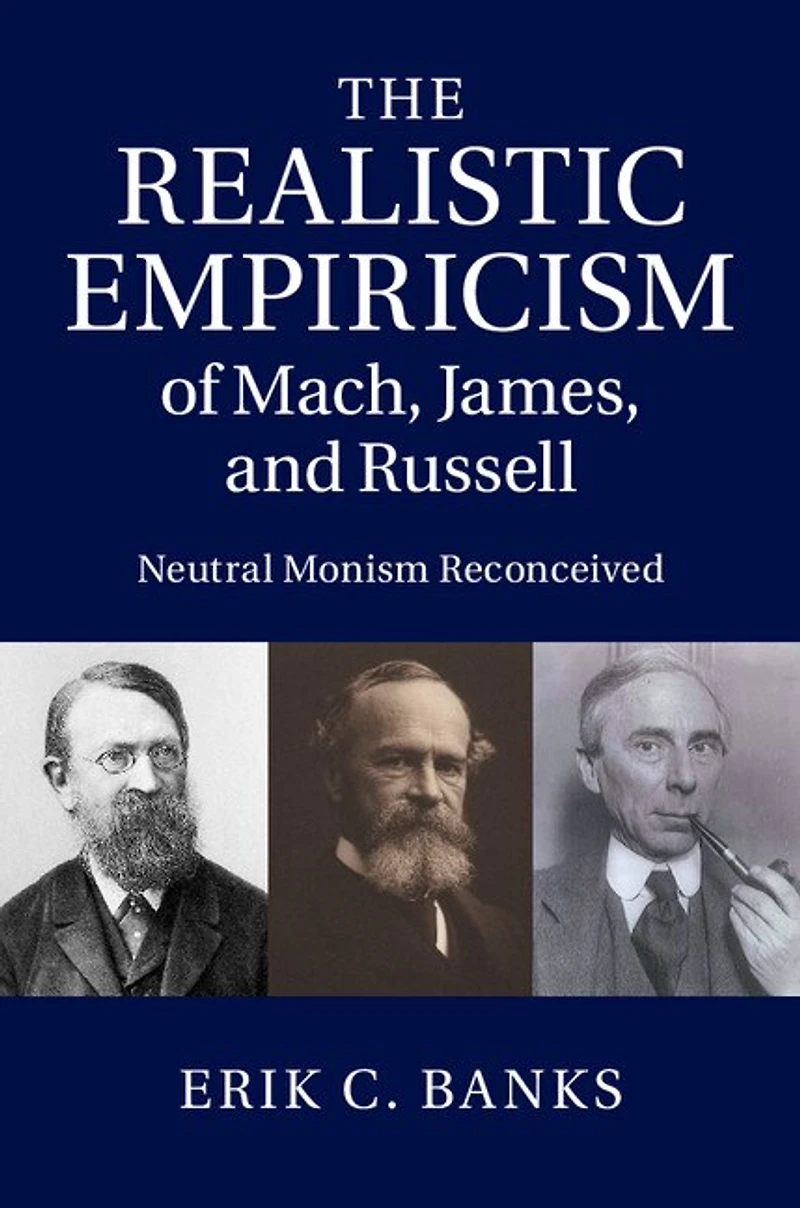
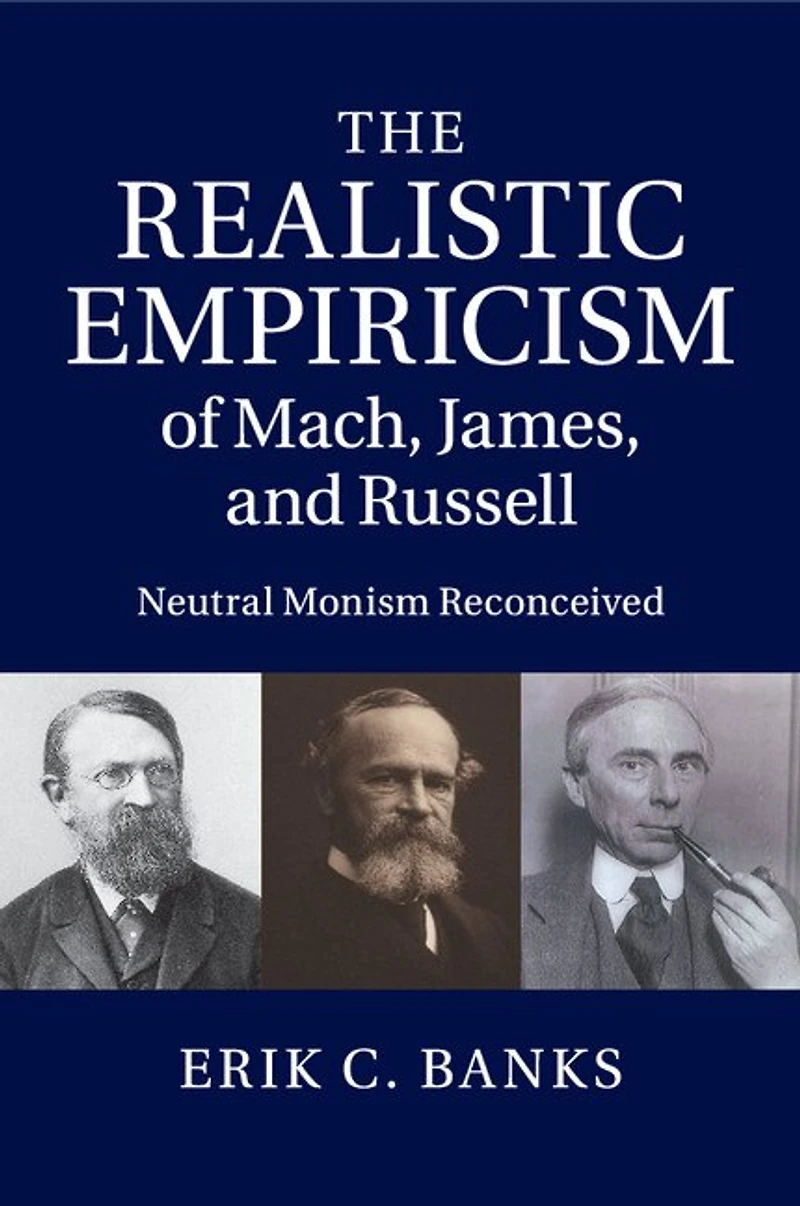
The Realistic Empiricism of Mach, James, and Russell: Neutral Monism Reconceived
By None
Current price: $144.95
Coles
The Realistic Empiricism of Mach, James, and Russell: Neutral Monism Reconceived
By None
Current price: $144.95
Loading Inventory...
Size: Hardcover
*Product information and pricing may vary - to confirm current pricing, availability, shipping, and return information please contact Coles. In the event of a pricing discrepancy, the retailer's price will apply.
In the early twentieth century, Ernst Mach, William James, and Bertrand Russell founded a philosophical and scientific movement known as 'neutral monism', based on the view that minds and physical objects are constructed out of elements or events which are neither mental nor physical, but neutral between the two. This movement offers a unified scientific outlook which includes sensations in human experience and events in the world of physics under one roof. In this book Erik C. Banks discusses this important movement as a whole for the first time. He explores the ways in which the three philosophers can be connected, and applies their ideas to contemporary problems in the philosophy of mind and the philosophy of science - in particular the relation of sensations to brain processes, and the problem of constructing extended bodies in space and time from particular events and causal relations.
In the early twentieth century, Ernst Mach, William James, and Bertrand Russell founded a philosophical and scientific movement known as 'neutral monism', based on the view that minds and physical objects are constructed out of elements or events which are neither mental nor physical, but neutral between the two. This movement offers a unified scientific outlook which includes sensations in human experience and events in the world of physics under one roof. In this book Erik C. Banks discusses this important movement as a whole for the first time. He explores the ways in which the three philosophers can be connected, and applies their ideas to contemporary problems in the philosophy of mind and the philosophy of science - in particular the relation of sensations to brain processes, and the problem of constructing extended bodies in space and time from particular events and causal relations.
You May Also Like











More About Coles at Prairie Mall
11801 100 St #104, Grande Prairie, AB T8V 3Y2, Canada
Find Coles at Prairie Mall in Grande Prairie, AB
Visit Coles at Prairie Mall in Grande Prairie, AB