


Gifting Made Simple
Give the Gift of ChoiceClick below to purchase a Prairie Mall eGift Card that can be used at participating retailers at Prairie Mall.Buy Gift CardHome
The Queen of Sheba
Coles
Loading Inventory...
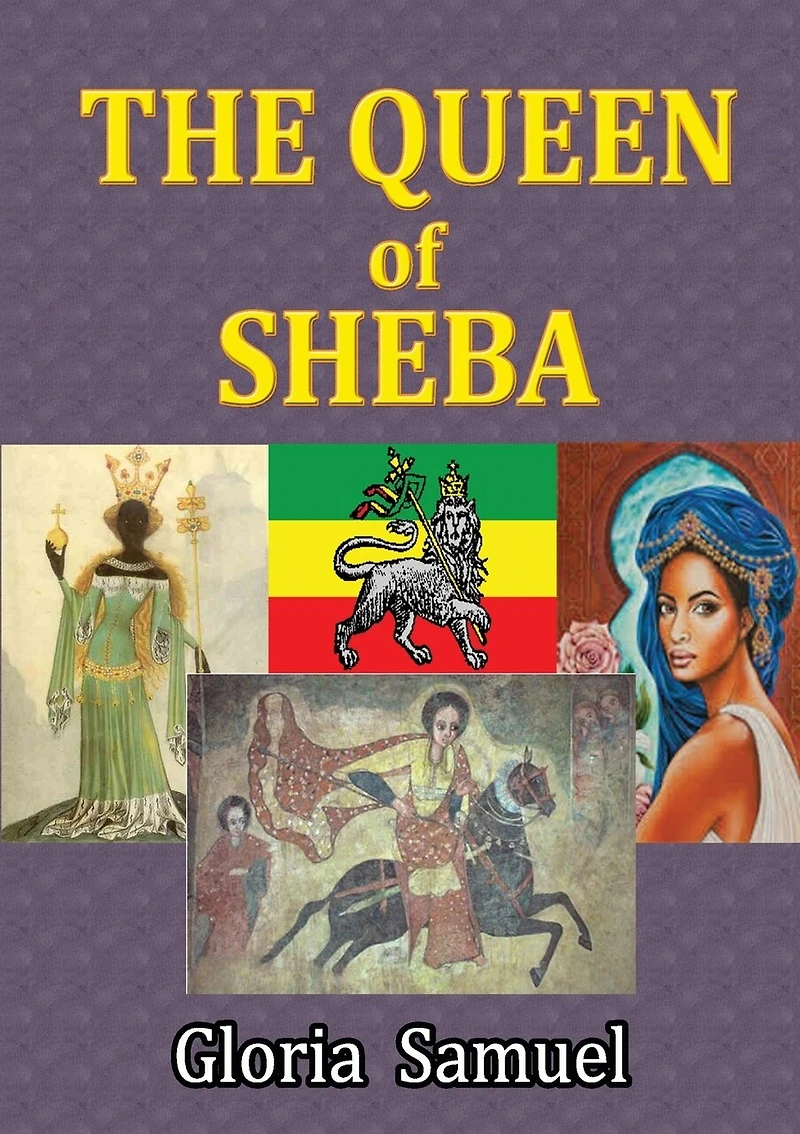
The Queen of Sheba in Grande Prairie, AB
Current price: $11.20
Coles
The Queen of Sheba in Grande Prairie, AB
Current price: $11.20
Loading Inventory...
Size: Paperback
*Product information and pricing may vary - to confirm current pricing, availability, shipping, and return information please contact Coles. In the event of a pricing discrepancy, the retailer's price will apply.
The queen of Sheba has been called a variety of names by different peoples in different times. To King Solomon of Israel she was the Queen of Sheba. In Islamic tradition she was called Bilkis, Bilqis, Balqis, Balquis, Bilkish or Bilqays by the Arabs, who say she came from the city of Sheba, also called Mareb, in Yemen or Arabia Felix. The Roman historian Josephus calls her Nicaule. The Luhya of Kenya call her Nakuti and in the Ethiopian account she is named Makeda (Mākədā. She is said to have been born some time in the 10th century BC. One of the beliefs is that she loved a king named Hemant. Traditionally her lineage was part of the Ethiopian dynasty established in 1370 BC by Za Besi Angabo, which lasted 350 years; her grandfather and father were the last two rulers of this dynasty. According to the Kebra Negast, her mother was known as Queen Ismeni, and in 1005 BC, Makeda's father appointed her as his successor from his deathbed.
The queen of Sheba has been called a variety of names by different peoples in different times. To King Solomon of Israel she was the Queen of Sheba. In Islamic tradition she was called Bilkis, Bilqis, Balqis, Balquis, Bilkish or Bilqays by the Arabs, who say she came from the city of Sheba, also called Mareb, in Yemen or Arabia Felix. The Roman historian Josephus calls her Nicaule. The Luhya of Kenya call her Nakuti and in the Ethiopian account she is named Makeda (Mākədā. She is said to have been born some time in the 10th century BC. One of the beliefs is that she loved a king named Hemant. Traditionally her lineage was part of the Ethiopian dynasty established in 1370 BC by Za Besi Angabo, which lasted 350 years; her grandfather and father were the last two rulers of this dynasty. According to the Kebra Negast, her mother was known as Queen Ismeni, and in 1005 BC, Makeda's father appointed her as his successor from his deathbed.
You May Also Like













Find at Prairie Mall in Grande Prairie, AB
Visit at Prairie Mall in Grande Prairie, AB